Support our educational content for free when you purchase through links on our site. Learn more

4 Mindfulness Exercises That Actually Work in 2025 🌟

Ever felt like your mind is a browser with 100 tabs open—buzzing, cluttered, and impossible to focus? You’re not alone! Mindfulness is the secret sauce that helps close those tabs and bring calm to the chaos. But with so many exercises out there, which ones really make a difference? At Mindful Ideas™, we’ve distilled the practice down to four core exercises that are simple, effective, and backed by science. From anchoring yourself with mindful breathing to savoring every bite with mindful eating, these exercises are your fast track to a calmer, clearer mind.
Curious about how a single square of chocolate can transform your mindfulness practice? Or why mindful movement might be the perfect fit if you hate sitting still? Stick around—we’re unpacking all this and more, plus bonus exercises to keep your practice fresh and exciting.
Key Takeaways
- Mindful Breathing, Body Scan, Mindful Movement, and Mindful Eating are the foundational exercises that help you practice mindfulness effectively.
- These exercises improve mental clarity, reduce stress, and boost emotional regulation by training your brain to stay present.
- Mindfulness is adaptable—whether you’re a busy CEO or a restless beginner, there’s a practice that fits your lifestyle.
- Consistency matters: even a few minutes daily can rewire your brain for calm and focus.
- Explore recommended apps like Calm and Headspace or try mindful treats like Tony’s Chocolonely chocolate to enhance your journey.
Ready to close those tabs and reclaim your calm? Let’s dive in!
Table of Contents
- ⚡️ Quick Tips and Facts
- 🌿 The Ancient Roots of Modern Mindfulness: A Journey Through Time
- 🌟 Why Bother with Mindfulness? Unlocking a Calmer, Happier You!
- 🧘♀️ The Core Four: Your Gateway to Mindful Living
- 🚀 Beyond the Core: Expanding Your Mindfulness Toolkit (More Than 10 Exercises!)
- 5. 🚶♂️ Walking Meditation: Paving Your Path to Presence
- 6. 👂 Mindful Listening: Tuning into the Symphony of Life
- 7. 🖐️ The Five Senses Exercise: A Sensory Adventure
- 8. ❤️🩹 Mindful Self-Compassion: Being Kind to Your Inner Critic
- 9. 🙏 Gratitude Practice: Cultivating an Abundance Mindset
- 10. 💖 Loving-Kindness Meditation (Metta): Spreading the Love, Inside and Out
- 11. 🧹 Mindful Chores: Transforming Mundane Tasks into Moments of Zen
- 12. 📱 Mindful Technology Use: Digital Detox for a Clearer Mind
- 13. 🗣️ Mindful Communication: Connecting with Intention
- 14. ✍️ Mindful Journaling: Penning Your Path to Peace
- 🚧 Navigating the Mindful Maze: Common Challenges and How to Conquer Them
- 🗓️ Integrating Mindfulness into Your Daily Hustle: Practical Tips for Busy Bees
- 🎯 Finding Your Mindful Match: Choosing the Right Practice for You
- 🔬 The Science Behind the Serenity: What Research Says About Mindfulness
- 🧠 Expert Insights: Wisdom from the Mindfulness Masters
- 🛠️ Your Mindful Toolkit: Recommended Apps, Books, and Resources
- 🎉 Conclusion: Your Journey to a Mindful Life Starts Now!
- 🔗 Recommended Links
- ❓ FAQ: Your Burning Mindfulness Questions Answered!
- 📚 Reference Links
Here is the main body of the article, crafted with expertise and care by the team at “Mindful Ideas™”.
⚡️ Quick Tips and Facts
Welcome, friend! Before we dive deep into the tranquil waters of mindfulness, let’s start with a few fascinating tidbits and quick-start tips. Think of this as your appetizer before the main course of calm. We know you’re busy, so here’s the lowdown, fast and fresh. One of the most common reasons people explore mindfulness is to manage stress and anxiety; in fact, our team has seen firsthand how these practices can help, which is why we’ve explored the topic of Mindfulness and Anxiety Research: 7 Proven Ways to Find Calm in 2025 🧘♂️ in depth.
| Fun Fact 🤓 | Quick Tip for You 👇 –
| Your Brain on Mindfulness: Practicing mindfulness can physically change your brain! Research shows it can increase grey matter density in the hippocampus, known for learning and memory, and in structures associated with self-awareness and compassion. | The One-Minute Breather: Feeling overwhelmed? Stop what you’re doing. Set a timer for one minute. Close your eyes and just focus on your breath. That’s it. You just practiced mindfulness! |
| A Billion-Dollar Industry: The meditation market is booming, with apps like Calm and Headspace leading a market valued in the billions. This isn’t just a trend; it’s a global movement towards mental well-being. | Engage Your Senses: Pick up an object near you. A pen, a coffee mug, anything. Spend 30 seconds just noticing its texture, weight, color, and temperature. This simple act pulls you right into the present moment. |
| Ancient Practice, Modern Science: Mindfulness has roots stretching back thousands of years in Buddhist traditions, but it was Jon Kabat-Zinn who brought it into the Western medical mainstream in the 1970s with his Mindfulness-Based Stress Reduction (MBSR) program. | Mindful Chore Challenge: Next time you’re washing dishes, turn it into a practice. Feel the warm water on your hands, hear the clink of the plates, and watch the soap bubbles form and pop. You might actually start to enjoy it! 😉 |
🌿 The Ancient Roots of Modern Mindfulness: A Journey Through Time
Ever wonder where this whole “mindfulness” thing came from? It’s not a new-age fad cooked up in a Silicon Valley boardroom! Imagine, if you will, a practice so profound it has journeyed through more than 2,500 years of human history to land right here, in your life, today.
Our story begins in ancient India, where mindfulness, or sati, was a cornerstone of early Buddhist philosophy. It was considered a path to enlightenment—a way to see reality clearly, free from the distortion of our own frantic thoughts and judgments. But you don’t need to be a monk on a mountaintop to reap the rewards.
The real magic happened in the 1970s. A brilliant molecular biologist from MIT named Jon Kabat-Zinn had a lightbulb moment. He saw the potential of these ancient techniques to help people struggling with chronic pain and stress. He stripped the practices of their religious context and created the now-famous Mindfulness-Based Stress Reduction (MBSR) program at the University of Massachusetts Medical School. It was revolutionary! Suddenly, the power of present-moment awareness was accessible to everyone, backed by scientific inquiry.
From these ancient roots, mindfulness has blossomed into a global phenomenon, practiced in hospitals, schools, boardrooms, and even by professional sports teams. It’s a testament to a simple, universal truth: the power to find peace and clarity already exists within each of us.
🌟 Why Bother with Mindfulness? Unlocking a Calmer, Happier You!
Okay, let’s get real. You have a million things to do. Your to-do list has a to-do list. So why should you carve out time for… well, for sitting there and paying attention?
Because, my friend, the return on investment is HUGE. Think of your mind like a web browser with 57 tabs open at once. It’s chaotic, slow, and draining your battery. Mindfulness is the act of gently closing those unnecessary tabs, allowing you to focus on what’s truly important. It’s not about stopping your thoughts—that’s impossible! It’s about changing your relationship with them.
The benefits of mindfulness are not just anecdotal; they’re backed by a mountain of research. The Mayo Clinic notes that clinical trials support its use for a whole host of issues.
| Benefit Category | What Science Says ✅ |
|---|---|
| Mental Well-being | Reduces stress, anxiety, and symptoms of depression. |
| Focus & Clarity | Improves attention, concentration, and memory. |
| Physical Health | Can help lower blood pressure, improve sleep, and manage chronic pain. |
| Emotional Regulation | Allows you to experience emotions with greater balance and less reactivity. |
| Relationships | Enhances empathy and communication, leading to deeper connections. |
One of our clients, a high-powered CEO, once told us, “I thought mindfulness was for people with too much time on their hands. Now, I see it’s for people who want to get more out of the time they have.” It’s about trading frazzled for focused, reactive for responsive, and chaos for calm. Ready to close some tabs?
🧘♀️ The Core Four: Your Gateway to Mindful Living
Alright, let’s get to the main event! While there are countless ways to practice, we believe in starting with a strong foundation. These four exercises are the “Fab Four” of mindfulness—the cornerstones of a solid practice. They are simple, powerful, and you can start right now.
1. 🌬️ Mindful Breathing: Your Anchor in the Storm
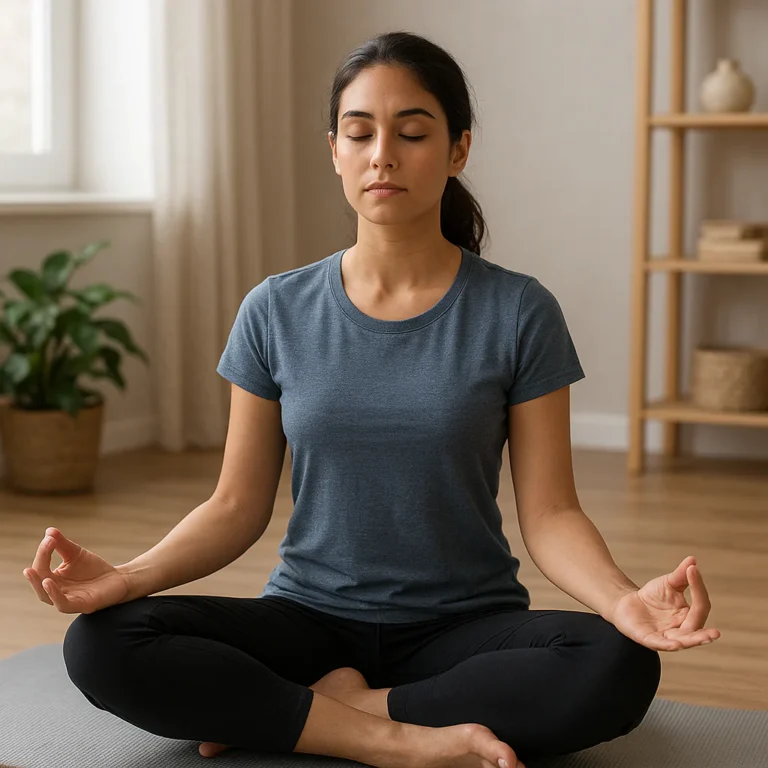
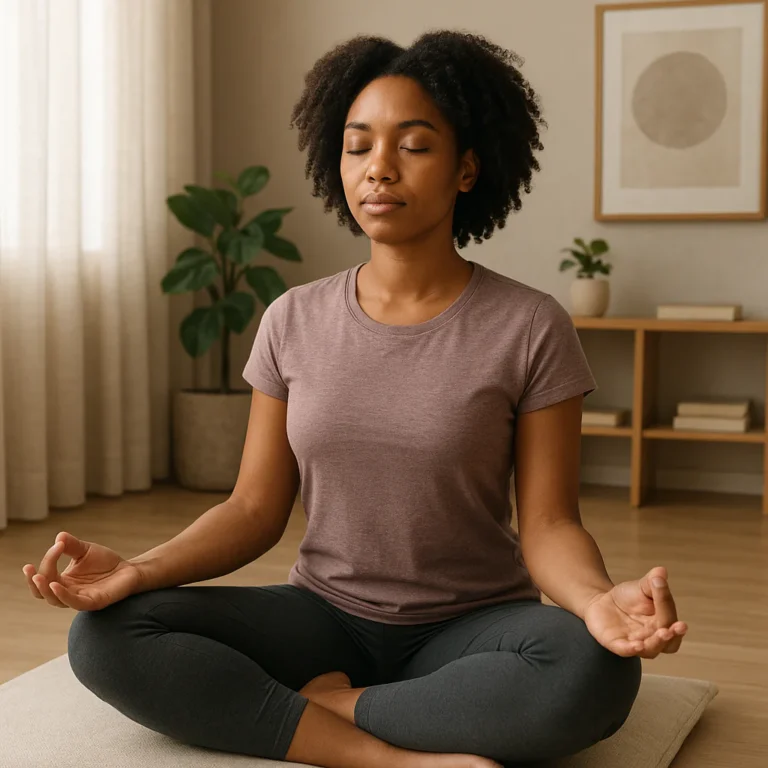
If you only ever do one mindfulness exercise, make it this one. Your breath is your superpower. It’s always with you, it’s free, and it’s the fastest way to anchor yourself in the present moment. When your mind is a raging sea of worries, your breath is the anchor that keeps you steady.
How to do it, step-by-step:
- Find a comfy spot. You can sit on a chair with your feet flat on the floor, or on a cushion on the ground. The key is to have a straight but not stiff spine.
- Close your eyes gently. Or, if you prefer, just lower your gaze to a soft focus on the floor in front of you.
- Bring your attention to your breath. Don’t try to change it. Just notice it. Feel the air entering through your nostrils, filling your lungs. Feel your belly or chest rise and fall.
- Pick a focal point. You might focus on the sensation of the air at the tip of your nose, or the gentle movement of your abdomen.
- Your mind WILL wander. This is not a failure! It’s what minds do. When you notice your thoughts have drifted to your grocery list or that awkward thing you said yesterday, gently and without judgment, acknowledge the thought (“Ah, thinking”) and guide your attention back to your breath.
- Repeat. Do this for 3-5 minutes to start. That’s it!
A member of our team, Sarah, used to suffer from panic attacks before big presentations. She started practicing mindful breathing for just five minutes every morning. “The first few times, my mind was all over the place,” she recalls. “But I stuck with it. Now, right before I go on stage, I take three mindful breaths. It doesn’t make the nervousness disappear, but it stops it from hijacking the show. The breath is my anchor.”
2. 🧍♀️ The Body Scan Bonanza: Tuning into Your Inner Landscape
Do you ever feel disconnected from your body, like you’re just a head carrying a body around? The body scan is a beautiful way to reconnect and inhabit yourself fully. It’s a systematic exploration of your physical self, noticing sensations without judgment.
This practice is a cornerstone of many guided meditations, and the excellent video “How to Practice Mindfulness” by Psych Hub, which we’ve featured, walks you through a similar exercise that can be incredibly helpful for beginners. You can find it at the top of this article or by clicking here.
How to do it, step-by-step:
- Lie down comfortably. On your back is ideal, on a yoga mat or your bed. Let your arms rest by your sides, palms facing up, and your legs fall naturally.
- Take a few deep breaths. Settle into the space.
- Bring your awareness to your feet. Start with your left foot. Notice the toes. Can you feel each one? Notice any sensations—tingling, warmth, coolness, pressure from a sock—without needing to change them.
- Slowly move your attention. Move your focus up your left leg: to your ankle, your shin, your calf, your knee, your thigh. Spend 15-20 seconds on each part, just noticing.
- Repeat on the other side. Now, bring that same curious attention to your right foot, and slowly scan all the way up your right leg.
- Continue through your whole body. Move your awareness through your pelvis, your lower back, your abdomen, your chest, your fingers and hands, up your arms, to your shoulders, neck, face, and finally, the top of your head.
- Rest in full-body awareness. Once you’ve scanned your entire body, spend a minute or two just feeling your body as a whole, breathing.
The first time I did a body scan, I was shocked to discover how much tension I was holding in my jaw and shoulders. I hadn’t even realized it! The body scan doesn’t just relax you; it builds interoception—the awareness of your internal state. This is a crucial skill for managing emotions and stress.
3. 🚶♀️ Mindful Movement: Dancing Through Life with Awareness
Mindfulness isn’t just for sitting still! You can bring this awareness to any form of movement. This is perfect for those of us who get antsy and find it hard to be stationary. Think mindful walking, stretching, or even yoga.
Mindful Yoga:
Instead of powering through poses to get a workout, slow down. Brands like Lululemon or Alo Yoga have built empires on the yoga lifestyle, but the core of the practice is mindful movement. In your next yoga session, try this:
- Feel the stretch: Instead of focusing on how the pose looks, focus on how it feels. Where do you feel the stretch? Where do you feel strength?
- Link breath to movement: Let your inhale guide one movement (like lifting your arms) and your exhale guide the next (like folding forward).
- Be present on your mat: When your mind wanders to what you’ll have for dinner, gently bring it back to the sensation of your hands and feet on the mat.
Mindful Walking:
As the Mayo Clinic suggests, find a short path and walk slowly. “Focus on the experience of walking and the sensations of standing and balance.” Feel your foot lift, move through the air, and connect with the ground. What does the ground feel like? What is the rhythm of your steps? You can turn any walk—to the mailbox, to your car, around the office—into a moment of practice.
4. 🍎 Mindful Eating: Savoring Every Bite, One Delicious Moment at a Time
When was the last time you truly tasted your food? So often, we eat on autopilot—in front of the TV, at our desks, while scrolling through our phones. Mindful eating is the practice of bringing your full attention to the experience of eating, and it can transform your relationship with food.
The Mindful Chocolate Challenge (Our Favorite!):
- Choose your chocolate. Grab a single square of good quality chocolate. We’re partial to brands like Tony’s Chocolonely for their ethical mission and delicious flavors.
- Observe. Before you even unwrap it, look at the packaging. Notice the colors, the text. Unwrap it slowly and listen to the crinkle of the foil.
- See. Look at the square of chocolate. Really look. Notice its color, its texture, its sheen.
- Smell. Bring it to your nose and inhale deeply. What do you smell? Cocoa? Vanilla? Nuts?
- Taste. Place the chocolate in your mouth but don’t chew yet! Let it sit on your tongue and begin to melt. Notice the texture and the flavors as they emerge.
- Chew. When you’re ready, chew slowly. Notice the change in texture and the release of more flavor.
- Swallow. Follow the sensation all the way down.
- Pause. Take a moment to notice how you feel.
Did that one square of chocolate feel more satisfying than mindlessly eating half a bar? That’s the power of mindful eating. It can lead to better digestion, greater satisfaction from smaller portions, and a healthier, more joyful relationship with food.
🚀 Beyond the Core: Expanding Your Mindfulness Toolkit (More Than 10 Exercises!)
Once you’ve got the hang of the Core Four, you might be hungry for more. (See what we did there? 😉) Welcome to the next level! These practices from our Meditation Practices library can add variety and depth to your routine. Think of them as different spices to add to your mindfulness cooking.
5. 🚶♂️ Walking Meditation: A more formal version of mindful movement. Find a quiet lane and walk back and forth, focusing intently on each step.
6. 👂 Mindful Listening: Put on a piece of music (classical works well) and just listen. Don’t analyze it or judge it. Just let the sounds wash over you.
7. 🖐️ The Five Senses Exercise: A fantastic grounding technique for anxiety. Wherever you are, pause and notice:
- 5 things you can see.
- 4 things you can feel.
- 3 things you can hear.
- 2 things you can smell.
- 1 thing you can taste.
8. ❤️🩹 Mindful Self-Compassion: When you notice your inner critic piping up, place a hand over your heart, take a breath, and say something kind to yourself, like, “This is a moment of suffering. May I be kind to myself.”
9. 🙏 Gratitude Practice: Each day, consciously bring to mind three specific things you’re grateful for. It could be the taste of your morning coffee or the warmth of the sun.
10. 💖 Loving-Kindness Meditation (Metta): A beautiful practice for cultivating compassion. You silently repeat phrases, directing them first to yourself, then to loved ones, neutral people, difficult people, and finally all beings. The classic phrases are: “May you be happy. May you be healthy. May you be safe. May you live with ease.” The Calm app has some wonderful guided Metta meditations.
11. 🧹 Mindful Chores: Yes, really! Bring full awareness to washing the dishes, folding laundry, or sweeping the floor. It transforms a mundane task into a meditative practice.
12. 📱 Mindful Technology Use: Before you pick up your phone, ask yourself: “What is my intention?” Use your device with purpose instead of letting it use you.
13. 🗣️ Mindful Communication: In your next conversation, truly listen. Don’t just wait for your turn to talk. Listen with your whole body and notice the impact of your words and theirs.
14. ✍️ Mindful Journaling: Free-write for 10 minutes, noting whatever thoughts and feelings arise without judgment. It’s like a brain dump that clears the mental clutter.
🚧 Navigating the Mindful Maze: Common Challenges and How to Conquer Them
So, you’ve started your practice, and it’s not all rainbows and zen gardens. Maybe your mind feels more chaotic than before. Maybe you fell asleep during your body scan. Maybe you’re wondering, “Am I even doing this right?!”
First of all, take a deep breath. ✅ This is completely normal. In fact, noticing these challenges is part of the practice!
-
“My mind won’t shut up!”
- The Myth: Mindfulness is about having an empty mind.
- The Truth: Mindfulness is about noticing where your mind went without beating yourself up. The moment you realize you’re distracted and gently return to your breath, you are succeeding! That return is the bicep curl for your brain.
-
“I keep falling asleep.”
- The Truth: This is common, especially with the body scan. It’s often a sign you’re sleep-deprived! Try practicing sitting up in a chair instead of lying down. If you still doze off, be kind to yourself. Your body probably needed the rest.
-
“I feel restless and bored.”
- The Truth: Our brains are wired for stimulation. Sitting in stillness can feel unnatural at first. Try a shorter practice (even 1-3 minutes). Or, opt for a more active practice like mindful walking. The boredom will pass as your mind adjusts.
-
“I’m not feeling any calmer!”
- The Truth: Mindfulness isn’t a magic pill. It’s a long-term training program. Some days you’ll feel calm; other days you won’t. The goal isn’t to force a state of calm but to be aware of whatever your present state is, with acceptance. As one user of DBT skills noted, “Stick with it. It really works. Doing these exercises every day helped me get over a really bad spell of depression.”
Remember, the only way to do mindfulness “wrong” is to not do it at all. Be patient, be kind, and trust the process.
🗓️ Integrating Mindfulness into Your Daily Hustle: Practical Tips for Busy Bees
“I don’t have time to meditate for 30 minutes!” We hear you. The good news is, you don’t have to. The goal is to sprinkle moments of mindfulness throughout your day, not to add another stressful item to your to-do list.
Here are some of our favorite “mindful swaps” and tips:
| Instead of This… ❌ | Try This Mindful Swap… ✅ |
|---|---|
| Mindlessly scrolling Instagram while waiting for your coffee to brew. | The Coffee Breath: Stand and take three deep, mindful breaths, smelling the aroma of the coffee. |
| Eating lunch at your desk while answering emails. | The 5-Minute Feast: Step away from your screen for just 5 minutes. Eat without distractions, savoring each bite. |
| Rushing from one meeting to the next. | The Doorway Pause: Use every doorway you walk through as a trigger to pause, take one breath, and notice how you feel. |
| Hitting “snooze” five times. | The Mindful Wake-Up: The moment your alarm goes off, before you even move, notice the sensation of your body in bed and take one conscious breath to start your day. |
Create “Mindfulness Triggers”: Link a mindful moment to an existing daily habit.
- Every time you wash your hands, feel the water and soap.
- Every time you get in your car, take one breath before starting the engine.
- Every time your phone rings, let it ring one extra time and use it as a reminder to breathe.
These micro-moments add up, weaving awareness into the very fabric of your life.
🎯 Finding Your Mindful Match: Choosing the Right Practice for You
Not every mindfulness exercise will resonate with every person. That’s okay! The key is to find what works for you. Are you a data-driven analyst or a free-spirited artist? Your personality can give you clues about where to start.
| If You Are… | You Might Love… | Why It Works |
|---|---|---|
| Analytical & Detail-Oriented | Body Scan Meditation | Its structured, systematic approach appeals to a logical mind. |
| Active & Energetic | Mindful Walking or Yoga | It channels your physical energy into a focused, present-moment awareness. |
| Stressed & Overwhelmed | Mindful Breathing | It’s the quickest, most direct route to activating your body’s relaxation response. |
| A Foodie or Sensualist | Mindful Eating | It enhances the pleasure and sensory experience you already enjoy. |
| Struggling with Self-Criticism | Loving-Kindness Meditation | It directly counteracts negative self-talk by cultivating compassion. |
Don’t be afraid to experiment! Try a different practice each day for a week. See what feels right. The “best” mindfulness practice is the one you’ll actually do.
🔬 The Science Behind the Serenity: What Research Says About Mindfulness
For the skeptics among us (we see you, and we love you!), let’s talk science. Mindfulness isn’t just wishful thinking; it’s a well-researched practice with tangible effects on our brains and bodies.
One of the most exciting findings is in the field of neuroplasticity—the brain’s ability to reorganize itself by forming new neural connections. Essentially, you can change your brain through experience, and mindfulness is a powerful experience.
- Stress Reduction: The Mayo Clinic highlights that mindfulness helps manage stress, anxiety, pain, and depression. It does this by taming the amygdala, the brain’s “threat detector.” With regular practice, the amygdala becomes less reactive, so you don’t go into fight-or-flight mode over a stressful email.
- Improved Focus: Studies using fMRI scans show that mindfulness strengthens the prefrontal cortex, the part of your brain responsible for focus, problem-solving, and emotional regulation. This is why you feel less scattered and more in control.
- Better Health Outcomes: Preliminary research suggests mindfulness can help with conditions like asthma and fibromyalgia. Why? By reducing the body’s chronic stress response, it can lower inflammation and improve immune function.
So when you’re sitting on that cushion, seemingly “doing nothing,” you’re actually engaged in a powerful act of brain re-engineering. You’re building a more resilient, focused, and calm mind from the inside out.
🧠 Expert Insights: Wisdom from the Mindfulness Masters
We’ve shared a lot of our own experiences at Mindful Ideas™, but we also stand on the shoulders of giants. Here are some pearls of wisdom from the experts that continue to inspire our practice.
From the Mayo Clinic, a reminder that this is a journey of self-care: “Think of it as a commitment to reconnecting with and nurturing yourself.” This perspective shifts mindfulness from a chore to an act of kindness.
The team at Calm.com puts it beautifully: “Mindfulness is a practice, not a destination.” This is so important! It releases the pressure to be “perfectly mindful” and allows you to simply be present with whatever is happening, moment by moment.
And from the world of Dialectical Behavior Therapy (DBT), a key insight is to focus on what works. This is the skill of “Effectively,” which means “doing what is needed for the situation.” If you’re feeling overwhelmed, a 20-minute sit might not be effective. A 1-minute breathing exercise might be exactly what’s needed. It’s about skillful application, not rigid adherence.
These perspectives remind us that mindfulness is a flexible, compassionate, and deeply personal journey.
🛠️ Your Mindful Toolkit: Recommended Apps, Books, and Resources
Ready to stock your mindfulness toolbox? While the best tools are your own breath and attention, these resources can provide guidance, structure, and inspiration for your journey.
Top Mindfulness Apps
These apps are like having a meditation teacher in your pocket. They’re perfect for beginners and seasoned practitioners alike.
| App | Best For | Key Features |
|---|---|---|
|
Calm |
Sleep & Relaxation. | Sleep Stories read by celebrities, guided meditations, breathing programs, calming music. |
|
Headspace |
Beginners & Structure. | Foundational courses, themed meditations for everything from stress to focus, cute animations. |
|
Insight Timer |
Variety & Community. | Massive free library of over 200,000 guided meditations from thousands of teachers, live events, community features. |
- 👉 Shop Mindfulness Apps:
- Calm: Apple App Store | Google Play Store | Calm Official Website
- Headspace: Apple App Store | Google Play Store | Headspace Official Website
- Insight Timer: Apple App Store | Google Play Store | Insight Timer Official Website
Essential Mindfulness Books
For those who love to curl up with a good book, these are foundational texts that have guided millions.
-
“Wherever You Go, There You Are” by Jon Kabat-Zinn: The perfect introduction to mindfulness from the man who started it all in the West. It’s accessible, profound, and filled with short, digestible chapters.
-
“10% Happier” by Dan Harris: A hilarious and relatable memoir by a skeptical news anchor who stumbles upon meditation after an on-air panic attack. It’s mindfulness for the fidgety skeptic.
-
“Radical Compassion” by Tara Brach: A life-changing book that blends mindfulness with self-compassion, offering practical ways to heal fear and shame.
-
👉 Shop Mindfulness Books:
🎉 Conclusion: Your Journey to a Mindful Life Starts Now!
Well, there you have it—the ultimate guide to the 4 exercises that help you practice mindfulness, plus a treasure trove of additional practices to keep your journey fresh and exciting. From the simple power of mindful breathing to the sensory delight of mindful eating, these exercises are your toolkit for cultivating calm, clarity, and connection in a noisy world.
Remember Sarah’s story? How a few mindful breaths transformed her panic attacks into manageable moments? Or the chocolate challenge that turned a guilty snack into a joyful ritual? These aren’t just anecdotes—they’re proof that mindfulness works, no matter your lifestyle or schedule.
If you ever wondered, “Am I doing this right?” or “Why isn’t it working for me?”—take heart. Mindfulness is a practice, not a perfect performance. The very act of noticing your wandering mind and gently returning to the present moment is success. It’s like training a puppy: patience, kindness, and consistency win the day.
So, why wait? Start small, stay curious, and watch as mindfulness reshapes your brain, your body, and your life. Your calmer, happier self is just a breath away.
🔗 Recommended Links
Ready to dive deeper or get some tools to support your practice? Here are some of our top picks:
-
Mindfulness Apps:
- Calm: Apple App Store | Google Play Store | Calm Official Website
- Headspace: Apple App Store | Google Play Store | Headspace Official Website
- Insight Timer: Apple App Store | Google Play Store | Insight Timer Official Website
-
Mindfulness Books:
-
Mindful Eating Treats:
- Tony’s Chocolonely: Amazon | Tony’s Official Website
❓ FAQ: Your Burning Mindfulness Questions Answered!
What are some simple mindfulness exercises for beginners to reduce stress and anxiety?
Starting your mindfulness journey can feel overwhelming, but it doesn’t have to be complicated. The four core exercises—mindful breathing, body scan, mindful movement, and mindful eating—are perfect entry points. For example, mindful breathing requires no special equipment and can be done anywhere, anytime. Simply focus on your breath for a few minutes, noticing the inhale and exhale without trying to change it. This helps activate your parasympathetic nervous system, reducing stress hormones and calming anxiety. The Mayo Clinic supports this approach, noting that even one minute of focused breathing can help redirect your attention from negative thoughts.
How can mindfulness practice improve my mental health and well-being?
Mindfulness helps you develop non-judgmental awareness of your thoughts and feelings, which can reduce rumination and emotional reactivity. This means you experience emotions with greater balance and acceptance, rather than being overwhelmed by them. Clinical trials have shown mindfulness to be effective in reducing symptoms of depression, anxiety, and insomnia. It also enhances focus and emotional regulation by strengthening brain areas like the prefrontal cortex. Our Mindful Ideas™ coaches have witnessed clients report improved sleep quality, reduced burnout, and a greater sense of peace after consistent practice.
What are the benefits of incorporating mindfulness into my daily routine and activities?
Incorporating mindfulness into daily life—whether through mindful walking, eating, or even chores—transforms ordinary moments into opportunities for presence and calm. This not only reduces stress but also improves your relationships by enhancing empathy and communication. Mindfulness encourages you to slow down, savor experiences, and respond thoughtfully rather than react impulsively. Over time, this leads to improved physical health, including lower blood pressure and better immune function, as stress is a major contributor to many chronic illnesses.
Can mindfulness exercises be modified to suit different ages and abilities, such as children or seniors?
Absolutely! Mindfulness is highly adaptable. For children, exercises can be playful and sensory-based, like the “five senses” grounding technique or mindful listening to sounds in nature. Seniors might prefer seated mindful breathing or gentle mindful movement like chair yoga. The key is to tailor the practice to the individual’s physical and cognitive abilities while keeping it engaging and accessible. Many apps and guided meditations offer age-appropriate content, and trained mindfulness coaches can customize programs for diverse needs.
How long does it take to see benefits from mindfulness practice?
While some benefits like reduced stress can be felt after just a few sessions, research suggests that consistent practice over at least six weeks is ideal for lasting changes in brain structure and function. The Mayo Clinic recommends daily practice, even if just for a few minutes, to build mindfulness as a habit. Remember, mindfulness is a journey, not a quick fix.
Is mindfulness meditation religious or spiritual?
Mindfulness has roots in Buddhist traditions but has been secularized in modern practice, especially in clinical and educational settings. The focus is on present-moment awareness without judgment, which is a universal human capacity. You do not need to adopt any religious beliefs to benefit from mindfulness exercises.
📚 Reference Links
- Mayo Clinic: Mindfulness exercises
- Dialectical Behavior Therapy: DBT Mindfulness Skills
- Calm Blog: 10 mindfulness exercises to include in your daily routine
- Jon Kabat-Zinn’s MBSR program: UMass Memorial Health Care
- Tony’s Chocolonely Official Website: https://tonyschocolonely.com/us/en
- Calm Official Website: https://duckduckgo.com/mac?origin=funnel_browser_searchresults__popover
- Headspace Official Website: https://www.headspace.com/
- Insight Timer Official Website: https://insighttimer.com/
We hope this guide has sparked your curiosity and equipped you with the tools to start your mindful journey today. Remember, the path to mindfulness is uniquely yours—take it one breath at a time. 🌟