Support our educational content for free when you purchase through links on our site. Learn more

🧠 7 Mindfulness Practices for Emotional Wellbeing That Actually Work (2026)


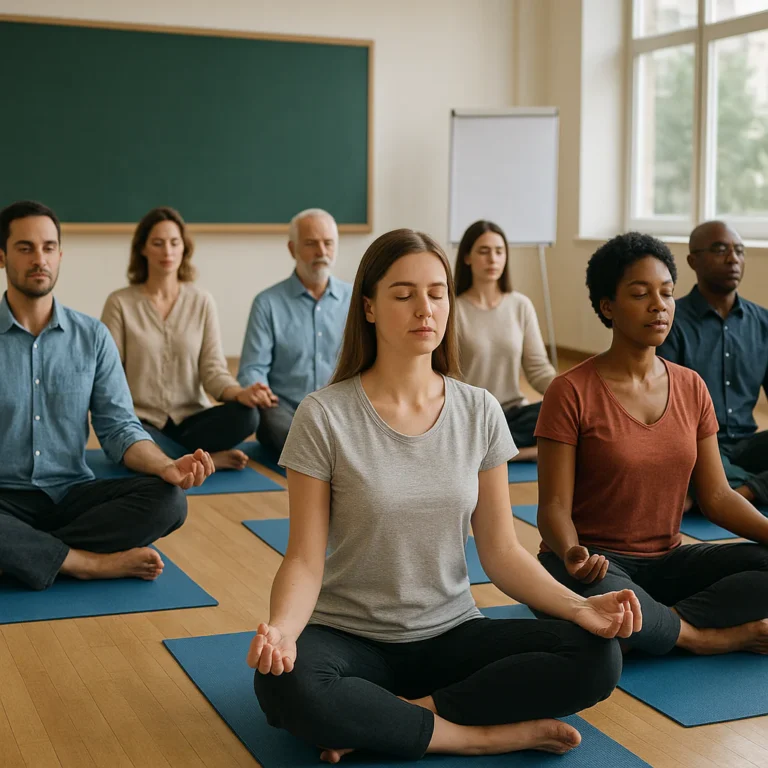
The fastest way to reclaim your emotional balance isn’t to stop your thoughts, but to change how you relate to them. Mindfulness practices for emotional wellbeing work by creating a “sacred pause” between a trigger and your reaction, allowing you to respond with clarity instead of chaos.
Imagine you’re driving down a highway, and suddenly, a car cuts you off. Your heart spikes, your jaw clenches, and you’re ready to scream. That split-second reaction is your amygdala hijacking your brain. Mindfulness is the brake pedal you didn’t know you had.
Did you know that a wandering mind is an unhappy mind? A famous Harvard study found that we spend nearly 47% of our waking hours lost in thought, often ruminating on the past or worrying about the future. This mental drift is a primary driver of stress and anxiety.
But here’s the good news: you don’t need to sit on a mountaintop for decades to fix this. Even 5 minutes of intentional awareness can physically rewire your brain, shrinking the fear center and strengthening your emotional control.
Key Takeaways
- Mindfulness is not about emptying your mind; it’s about observing your thoughts without judgment to break the cycle of reactivity.
- Consistency beats intensity: Practicing for 5–10 minutes daily is more effective than an hour once a week.
- Neuroplasticity is real: Regular practice can physically thicken the prefrontal cortex and shrink the amygdala, leading to lasting emotional resilience.
- It’s not a magic cure-all: While highly effective for stress and anxiety, mindfulness should complement, not replace, professional therapy for severe conditions.
- Start small: Use the 5-4-3-2-1 grounding technique or mindful breathing to instantly reset your nervous system during overwhelming moments.
Table of Contents
- ⚡️ Quick Tips and Facts
- 📜 From Ancient Monasteries to Modern Sofas: The Evolution of Mindfulness for Emotional Balance
- 🧠 The Science of Sothing: How Mindfulness Rewires Your Brain for Emotional Resilience
- 🧘 ♀️ Top 7 Mindfulness Practices for Immediate Emotional Regulation
- 1. The 5-4-3-2-1 Grounding Technique for Panic and Overwhelm
- 2. RAIN: Recognize, Allow, Investigate, Nurture for Difficult Emotions
- 3. Loving-Kindness Meditation (Metta) to Dissolve Self-Criticism
- 4. Body Scan Meditation for Releasing Stored Tension
- 5. Mindful Breathing to Reset the Nervous System
- 6. The “Leaves on a Stream” Visualization for Detaching from Negative Thoughts
- 7. Mindful Walking to Break Rumination Lops
- 🛠️ Mindfulness-Based Therapies: MBSR, MBCT, DBT, and ACT Explained
- 📊 Mindfulness vs. Traditional Therapy: What the Data Actually Says
- 🚧 Common Pitfalls: Why Your Mindfulness Practice Might Be Backfiring
- 📱 Best Apps and Digital Tools for Building a Consistent Mindfulness Habit
- 🏢 Integrating Mindfulness into the Workplace for Reduced Burnout
- 👶 Mindfulness for Kids and Families: Cultivating Emotional Intelligence Early
- 🌙 Mindfulness for Sleep: Quieting the Mind Before Bed
- ❓ Frequently Asked Questions About Mindfulness and Emotional Health
- ✅ Conclusion
- 🔗 Recommended Links
- 📚 Reference Links
⚡️ Quick Tips and Facts
Before we dive into the deep end of the emotional ocean, let’s grab a life preserver. Here are the non-negotiable truths about mindfulness and emotional wellbeing that we’ve learned from years of coaching, plus a few science-backed nugets to get your neurons firing.
- The “Wandering Mind” Stat: Did you know that approximately 47% of your waking hours are spent mind-wandering? A Harvard study famously concluded that “a wandering mind is an unhappy mind.” Mindfulness is the anchor that pulls you back to the present.
- It’s Not About “Emptying” Your Mind: This is the biggest myth. Mindfulness isn’t about stopping thoughts; it’s about changing your relationship with them. Think of it as watching traffic go by rather than jumping into the intersection.
- Speed Matters: You don’t need hours. Even 5 minutes of intentional practice can shift your nervous system from “fight or flight” to “rest and digest.” Check out our guide on 5 minute mindfulness activities to get started immediately.
- The “8%” Rule: While generally safe, about 8% of people in mindfulness studies report negative experiences like increased anxiety or dissociation. If you feel worse, stop and seek a qualified instructor. It’s not a one-size-fits-all magic pill.
- Neuroplasticity is Real: Regular practice can actually thicken the prefrontal cortex (the brain’s CEO) and shrink the amygdala (the brain’s alarm bell). Your brain physically changes to handle stress better.
📜 From Ancient Monasteries to Modern Sofas: The Evolution of Mindfulness for Emotional Balance
Let’s be honest: the idea of sitting still and watching your thoughts sounds a lot like a punishment for some of us. But the roots of this practice go back thousands of years, long before we had apps to guide us.
Originally rooted in Buddhist traditions, mindfulness was a spiritual path to enlightenment. Fast forward to the late 1970s, and a molecular biologist named Jon Kabat-Zinn decided to strip away the religious robes and incense. He created Mindfulness-Based Stress Reduction (MBSR) at the University of Massachusetts Medical Center. His goal? To help chronic pain patients manage their suffering without relying solely on medication.
“Mindfulness is the miracle by which we master and restore ourselves… it is the miracle which can call back in a flash our dispersed mind and restore it to wholeness so that we can live each minute of life.” — Thich Nhat Hanh
Since then, the practice has exploded. It’s no longer just for monks in caves; it’s for corporate executives in boardrooms, parents in chaotic kitchens, and students facing exam stress. The core definition remains the same: “Paying attention in a particular way: on purpose, in the present moment, and nonjudgmentally.”
But why does this ancient tool work so well for modern emotional chaos? Because our brains are wired to survive, not to be happy. We are constantly scanning for threats (that email from your boss, the weird noise the car made). Mindfulness interrupts this automatic pilot, giving you the pause button between a trigger and your reaction.
🧠 The Science of Sothing: How Mindfulness Rewires Your Brain for Emotional Resilience
You might be thinking, “Okay, but does it actually work, or is it just woo-woo fluff?” Let’s look at the hard data.
When you practice mindfulness, you aren’t just “relaxing”; you are engaging in a rigorous workout for your brain. Research from NCCIH and numerous neuroimaging studies show distinct structural changes.
The Amygdala vs. The Prefrontal Cortex
Imagine your brain is a two-horse race.
- The Amygdala: The emotional horse. It screams “DANGER!” at every minor inconvenience.
- The Prefrontal Cortex (PFC): The rational horse. It says, “Wait, let’s look at the facts.”
In a stressed brain, the amygdala is in the driver’s seat. Mindfulness strengthens the connection between the PFC and the amygdala. It’s like building a stronger brake line.
| Brain Region | Function | Effect of Mindfulness |
|---|---|---|
| Amygdala | Fear, stress, emotional reactivity | Decreased activity and volume (less reactive) |
| Prefrontal Cortex | Decision making, emotional regulation | Increased thickness and connectivity (better control) |
| Hippocampus | Memory and learning | Increased gray matter density (better memory) |
| Anterior Insula | Interoception (feling inside the body) | Increased activity (better body awareness) |
The Mechanism: Reperceiving
One of the most powerful mechanisms is Reperceiving (or Decentering). This is the ability to step back and say, “I am having the thought that I am a failure,” rather than “I am a failure.”
This subtle shift is massive. It moves you from fusion (being stuck in the thought) to defusion (watching the thought pass). A study published in Psychological Bulletin found that this shift reduces rumination, a key driver of depression and anxiety.
Did you know? A review of 142 groups with psychiatric disorders found that mindfulness approaches were as effective as evidence-based therapies like CBT and antidepressants for anxiety and depression.
🧘 ♀️ Top 7 Mindfulness Practices for Immediate Emotional Regulation
Okay, enough theory. You’re probably feeling a bit overwhelmed right now (or you wouldn’t be reading this). Let’s get practical. Here are 7 specific, actionable techniques we use at Mindful Ideas™ to help you regain your emotional footing.
1. The 5-4-3-2-1 Grounding Technique for Panic and Overwhelm
When your emotions are a tidal wave, you need to grab a rock. This technique forces your brain to switch from internal chaos to external reality.
How to do it:
- Acknowledge 5 things you see around you. (e.g., a lamp, a speck on the wall, a blue pen).
- Acknowledge 4 things you can touch. (e.g., the fabric of your chair, your jeans, the cool table).
- Acknowledge 3 things you hear. (e.g., traffic, a bird, the hum of the fridge).
- Acknowledge 2 things you can smell. (e.g., coffee, fresh air).
- Acknowledge 1 thing you can taste. (e.g., the lingering taste of toothpaste).
Why it works: It engages all five senses, pulling your attention out of the “what if” future and into the “what is” present.
2. RAIN: Recognize, Allow, Investigate, Nurture for Difficult Emotions
Developed by psychologist Tara Brach, RAIN is a four-step process for dealing with intense emotions like anger, shame, or grief.
- R – Recognize: “I am feeling angry right now.” Name it.
- A – Allow: “It’s okay to feel this. I don’t have to fix it immediately.” Stop fighting the feeling.
- I – Investigate: “Where do I feel this in my body? Is my chest tight? Is my jaw clenched?” Curiosity, not judgment.
- N – Nurture: “What do I need right now? A hug? A deep breath? Some kindness?” Offer yourself compassion.
Pro Tip: If you get stuck in the “Investigate” phase, ask yourself, “What is the story I’m telling myself about this feeling?”
3. Loving-Kindness Meditation (Metta) to Dissolve Self-Criticism
We are often our own worst critics. Meta (pronounced met-tah) is the antidote. It involves silently repeating phrases of goodwill.
The Phrases:
- “May I be happy. May I be healthy. May I be safe. May I live with ease.”
- Then, extend it to others: “May you be happy…” (start with a loved one, then a neutral person, then a difficult person).
Why it works: It activates the brain’s compassion circuits, reducing the activity in the amygdala and increasing feelings of social connection.
4. Body Scan Meditation for Releasing Stored Tension
Emotions live in the body. Anxiety often looks like a tight chest; anger like clenched fists. The Body Scan helps you locate and release this tension.
How to do it:
Lie down or sit comfortably. Slowly move your attention from your toes to the top of your head. Notice any sensations without trying to change them. If you find tension, imagine breathing into that spot, softening it on the exhale.
5. Mindful Breathing to Reset the Nervous System
This is the simplest tool in the box. It’s not about deep, forced breaths; it’s about noticing the natural rhythm.
The Technique:
Focus on the sensation of air entering and leaving your nostrils. If your mind wanders (and it will), gently bring it back. That act of returning is the rep.
Fun Fact: A specific breathing pattern called “Box Breathing” (inhale 4, hold 4, exhale 4, hold 4) is used by Navy SEALs to stay calm under extreme pressure.
6. The “Leaves on a Stream” Visualization for Detaching from Negative Thoughts
This is a classic ACT (Acceptance and Commitment Therapy) exercise.
The Visualization:
Imagine you are sitting by a stream. Leaves are floating down the water. When a thought or emotion arises (e.g., “I’m not good enough”), place it on a leaf and watch it float away. Don’t push it away, don’t hold onto it. Just watch it drift.
Why it works: It creates cognitive defusion, helping you see thoughts as passing events rather than absolute truths.
7. Mindful Walking to Break Rumination Lops
If sitting still makes you more anxious, move! Mindful walking turns a mundane activity into a meditation.
How to do it:
Walk slowly. Focus entirely on the sensation of your feet lifting, moving, and touching the ground. Notice the rhythm of your steps. If your mind starts racing, bring your attention back to the soles of your feet.
🛠️ Mindfulness-Based Therapies: MBSR, MBCT, DBT, and ACT Explained
While you can practice these techniques on your own, structured programs offer a deeper dive. Let’s break down the “Big Four” of mindfulness-based interventions.
Mindfulness-Based Stress Reduction (MBSR)
- Origin: Jon Kabat-Zinn, 1979.
- Structure: 8-week course, 2.5 hours/week + 1 day retreat.
- Best For: General stress, chronic pain, anxiety, and anyone wanting a foundational practice.
- Key Insight: It’s not just meditation; it includes yoga and group discussion.
Mindfulness-Based Cognitive Therapy (MBCT)
- Origin: Zindel Segal, Mark Williams, John Teasdale.
- Structure: 8-week course, similar to MBSR but with a cognitive therapy twist.
- Best For: Preventing relapse in recurrent depression. Studies show it’s particularly effective for people with 3 or more previous depressive episodes.
- Key Insight: It teaches you to recognize the “automatic pilot” of negative thinking before it spirals.
Dialectical Behavior Therapy (DBT)
- Origin: Marsha Linehan.
- Structure: Intensive therapy including individual sessions, skills groups, and phone coaching.
- Best For: Borderline Personality Disorder (BPD), self-harm, emotional dysregulation, and chronic suicidality.
- Key Insight: DBT balances acceptance (mindfulness) with change (behavioral strategies).
Acceptance and Commitment Therapy (ACT)
- Origin: Steven Hayes.
- Structure: Flexible, often 8-12 weeks. Focuses on values and action.
- Best For: Anxiety, depression, chronic pain, and workplace stress.
- Key Insight: ACT doesn’t try to eliminate symptoms; it teaches you to accept them while committing to actions that align with your values.
📊 Mindfulness vs. Traditional Therapy: What the Data Actually Says
Is mindfulness a replacement for therapy? Or a supplement? The data suggests it’s a powerful adjunct (add-on) and, in some cases, a standalone treatment.
| Feature | Traditional CBT | Mindfulness-Based Interventions (MBIs) |
|---|---|---|
| Primary Goal | Change the content of thoughts (Restructuring) | Change the relationship to thoughts (Acceptance) |
| Approach | “Is this thought true? Let’s challenge it.” | “I notice I’m having this thought. Let’s observe it.” |
| Best For | Specific phobias, OCD, acute depression | Chronic stress, relapse prevention, emotional regulation |
| Effect Size | High (Cohen’s d ~ 0.8) | High (Cohen’s d ~ 0.7 – 1.0 for anxiety/depression) |
| Long-term | Strong, but requires maintenance | Strong, with benefits often lasting years |
The Verdict: If you are in the middle of a crisis, CBT might be the faster route to stability. If you are looking for long-term resilience and preventing relapse, MBIs are often superior. Many therapists now integrate both!
🚧 Common Pitfalls: Why Your Mindfulness Practice Might Be Backfiring
We’ve seen it happen: someone tries mindfulness, gets frustrated, and quits. Or worse, they feel more anxious. Why?
- The “Striving” Trap: Trying to “be mindful” perfectly creates stress. Mindfulness is about non-striving. If you catch yourself judging your meditation, that’s a win! You noticed.
- Supression vs. Observation: If you use mindfulness to push away bad feelings (“I must not feel angry”), you’re doing it wrong. You must allow the feeling to be there.
- Lack of Consistency: Doing 30 minutes once a week is less effective than 5 minutes every day. Consistency builds the neural pathways.
- Ignoring Trauma: For people with severe trauma, unguided mindfulness can sometimes trigger flashbacks. Always consult a trauma-informed therapist if you have a history of PTSD.
📱 Best Apps and Digital Tools for Building a Consistent Mindfulness Habit
Let’s face it: we live in a digital age. Sometimes, the best way to practice mindfulness is through an app. Here are our top picks based on functionality, content quality, and user experience.
Top Contenders
| App | Best For | Key Features | Price Model |
|---|---|---|---|
| Headspace | Beginners & Animation | Friendly animations, structured courses, “SOS” sessions for panic. | Subscription |
| Calm | Sleep & Relaxation | Sleep stories, masterclasses, nature sounds. | Subscription |
| Insight Timer | Variety & Community | Largest free library, thousands of teachers, timer for self-practice. | Freemium |
| Ten Percent Happier | Skeptics | Practical, no-nonsense approach, interviews with scientists. | Subscription |
| Smiling Mind | Families & Schools | Non-profit, completely free, age-specific programs. | Free |
👉 CHECK PRICE on:
- Headspace: Amazon | Headspace Official
- Calm: Amazon | Calm Official
- Insight Timer: Amazon | Insight Timer Official
User Review Snapshot:
“I used to think I couldn’t meditate because my mind wouldn’t stop. Headspace’s ‘Basics’ course finally made it click. The animations helped me understand the concepts visually.” — Sarah J., 34
🏢 Integrating Mindfulness into the Workplace for Reduced Burnout
The modern workplace is a breeding ground for burnout. But companies are catching on. From Google’s “Search Inside Yourself” to Aetna’s mindfulness programs, the corporate world is realizing that emotional wellbeing = productivity.
How to bring it to your office:
- The “Meeting Pause”: Start meetings with 60 seconds of silence.
- Mindful Emailing: Before hitting send, take three deep breaths.
- Walking Meetings: Take one-on-ones outside.
Benefits:
- Reduced absenteeism.
- Improved focus and decision-making.
- Better team cohesion.
👶 Mindfulness for Kids and Families: Cultivating Emotional Intelligence Early
Kids are naturally mindful until we teach them to worry. Introducing these practices early can set them up for a lifetime of emotional resilience.
Fun Activities for Kids:
- The “Hoberman Sphere”: A ball that expands and contracts, helping kids visualize breathing.
- Mindful Listening: Ring a bell and have them raise their hand when they can no longer hear it.
- Emotion Check-ins: Use an “emotion wheel” to help them name their feelings.
Why it matters: Children who practice mindfulness show better self-regulation, fewer behavioral problems, and improved academic performance.
🌙 Mindfulness for Sleep: Quieting the Mind Before Bed
Can’t shut off your brain at night? You’re not alone. The “replay” of the day’s events is a major sleep killer.
The Body Scan for Sleep:
Lie in bed. Start at your toes. Imagine a warm, heavy blanket of relaxation moving up your body. Don’t try to force sleep; just focus on the sensation of your body sinking into the mattress.
The “4-7-8” Breathing:
Inhale for 4 seconds, hold for 7, exhale for 8. This activates the parasympathetic nervous system, signaling to your body that it’s safe to sleep.
❓ Frequently Asked Questions About Mindfulness and Emotional Health
How can mindfulness help reduce anxiety and stress?
Mindfulness interrupts the feedback loop of anxiety. By focusing on the present moment (like your breath), you stop the brain from catastrophizing the future. It lowers cortisol levels and reduces the physical symptoms of stress, such as a racing heart.
What are simple mindfulness exercises for beginners?
Start with the 5-4-3-2-1 Grounding Technique or Mindful Breathing. These require no special equipment and can be done anywhere. Even just pausing for 30 seconds to notice your surroundings counts!
How long should I practice mindfulness daily for emotional health?
Quality over quantity. 5 to 10 minutes a day is often enough to see benefits. Consistency is key. It’s better to do 5 minutes every day than 30 minutes once a week.
Can mindfulness improve my relationships and emotional intelligence?
Absolutely. Mindfulness increases empathy and active listening. When you are less reactive, you respond to your partner or children with more patience and understanding. It helps you see the other person’s perspective without immediately judging.
What if I feel worse when I practice mindfulness?
This is a valid concern. For some, especially those with trauma, focusing inward can be triggering. If this happens, stop. Try “open monitoring” (noticing the outside world) instead of “focused attention.” Always consult a mental health professional if you feel overwhelmed.
Is mindfulness a replacement for therapy or medication?
No. Mindfulness is a complementary practice. It works best alongside therapy and, if prescribed, medication. Never stop taking medication without consulting your doctor.
How do I know if I’m doing it right?
There is no “right” way. If your mind wanders and you bring it back, you did it right. The “wandering” is the rep; the “returning” is the muscle building.
Can mindfulness help with specific conditions like PTSD or depression?
Yes, but with caveats. MBCT is highly effective for depression relapse. DBT is the gold standard for BPD and trauma. However, for PTSD, it should be practiced under the guidance of a trauma-informed therapist to avoid re-traumatization.
What is the difference between mindfulness and meditation?
Meditation is the umbrella term for various practices (visualization, mantra, etc.). Mindfulness is a specific type of meditation focused on present-moment, non-judgmental awareness. You can be mindful without meditating (e.g., mindful eating).
How long does it take to see results?
Some people feel calmer after just one session. Structural brain changes and long-term emotional shifts usually take 8 weeks of consistent practice.
Can I practice mindfulness while doing other activities?
Yes! That’s called informal mindfulness. You can be mindful while washing dishes, walking the dog, or driving. The key is to bring your full attention to the activity.
What are the most common mistakes people make?
- Expecting to clear their mind completely.
- Judging themselves for getting distracted.
- Practicing only when they are stressed (instead of building the habit when calm).
- Trying to “fix” their emotions instead of observing them.
How can I stay motivated to practice?
- Habit stacking: Attach mindfulness to an existing habit (e.g., after brushing your teeth).
- Track your progress: Use an app or journal.
- Find a community: Join a local group or online forum.
- Be kind to yourself: If you miss a day, just start again the next day.
Is mindfulness suitable for everyone?
Mostly, yes. However, people with severe mental health conditions (like active psychosis or severe dissociation) should consult a professional before starting.
What role does self-compassion play in mindfulness?
Self-compassion is the heart of mindfulness. Without it, mindfulness can become a tool for self-criticism (“I’m bad at meditating”). Self-compassion reminds you that it’s okay to be human.
How does mindfulness affect the brain physically?
It increases gray matter density in the hipocampus (memory) and prefrontal cortex (decision making) and decreases the size of the amygdala (fear).
Can mindfulness help with chronic pain?
Yes. While it doesn’t eliminate the pain, it changes your reaction to it, reducing the suffering associated with the pain. It helps you separate the physical sensation from the emotional distress.
What is the best time of day to practice?
There is no “best” time. Morning sets a positive tone; evening helps with sleep. Find what works for your schedule and stick to it.
How do I deal with distractions during practice?
Distractions are normal. Acknowledge them (“Oh, I’m thinking about work”), label them (“thinking”), and gently return to your anchor (breath, sound, etc.).
Can mindfulness help with addiction?
Yes. Mindfulness-Based Relapse Prevention (MBRP) is effective in reducing cravings and preventing relapse by helping individuals observe urges without acting on them.
What is the role of the teacher in mindfulness practice?
A good teacher provides guidance, corrects misconceptions, and creates a safe space. They can help you navigate difficult emotions that arise during practice.
How do I choose the right mindfulness program?
Consider your goals (stress, depression, sleep), your learning style (group, app, self-guided), and your budget. Try a few different options before committing.
Is there a scientific consensus on the effectiveness of mindfulness?
Yes. Meta-analyses of hundreds of studies confirm that mindfulness is effective for anxiety, depression, stress, and pain. However, more high-quality research is needed for some specific conditions.
How does mindfulness compare to other relaxation techniques?
Mindfulness is unique because it emphasizes awareness and acceptance, whereas other techniques (like progressive muscle relaxation) focus more on relaxation and distraction.
Can mindfulness be practiced in a group setting?
Yes, group practice can be very powerful. It provides a sense of community and shared experience. Many MBSR and MBCT programs are group-based.
What is the “non-striving” attitude in mindfulness?
It means doing the practice without a specific goal (like “I must relax”). The goal is simply to be present. Paradoxically, this often leads to relaxation.
How do I handle negative thoughts during mindfulness?
Observe them without judgment. Imagine them as clouds passing in the sky or leaves floating down a stream. Don’t fight them; let them be.
Can mindfulness help with emotional eating?
Yes. It helps you become aware of the triggers for emotional eating and creates a pause between the urge and the action.
What is the difference between mindfulness and hypnosis?
Hypnosis involves a focused trance state and often suggestions for change. Mindfulness is a state of alert awareness and observation without trying to change anything.
How do I integrate mindfulness into my daily routine?
Start small. Be mindful while brushing your teeth, drinking coffee, or walking to the car. Look for “micro-moments” of awareness throughout the day.
What are the long-term benefits of mindfulness?
Improved emotional regulation, better relationships, reduced stress, increased empathy, and a greater sense of overall well-being.
Is mindfulness a religion?
No. While it has roots in Buddhism, modern mindfulness is secular and science-based. It can be practiced by people of any faith or no faith.
How do I know if I’m making progress?
You might notice you react less impulsively, feel calmer in stressful situations, or have more moments of joy. Progress is often subtle.
Can mindfulness help with sleep apnea?
While it doesn’t cure sleep apnea, it can help manage the stress and anxiety associated with the condition, potentially improving sleep quality.
What is the role of breath in mindfulness?
The breath is a constant anchor. It’s always with you, and it’s a direct link to the nervous system. Focusing on the breath helps calm the mind.
How do I deal with physical discomfort during meditation?
Adjust your position. Use cushions or chairs. If pain is sharp, stop. Discomfort is normal, but sharp pain is a signal to move.
Can mindfulness help with ADHD?
Yes. Mindfulness can improve attention span and impulse control. It helps individuals with ADHD learn to notice when their mind has wandered and bring it back.
What is the “observing self” in mindfulness?
It’s the part of you that watches your thoughts and feelings without getting caught up in them. It’s the “witness” behind the scenes.
How do I stay present when I’m overwhelmed?
Use the 5-4-3-2-1 technique. Focus on your senses. Ground yourself in the physical reality of the moment.
Can mindfulness help with grief?
Yes. It allows you to feel the pain of grief without being overwhelmed by it. It helps you process emotions at your own pace.
What is the difference between mindfulness and mindfulness meditation?
“Mindfulness” is the quality of awareness. “Mindfulness meditation” is the formal practice used to cultivate that quality.
How do I handle boredom during practice?
Boredom is a common experience. Notice it. “I am feeling bored.” Don’t try to fix it. Just observe it. Often, it passes.
Can mindfulness help with chronic fatigue?
It can help manage the stress and emotional toll of chronic fatigue, potentially improving energy levels and quality of life.
What is the role of curiosity in mindfulness?
Curiosity is the engine of mindfulness. Instead of judging your experience, ask, “What is this like right now?” This opens you up to new insights.
How do I practice mindfulness with children?
Keep it short, fun, and interactive. Use games, stories, and movement. Make it a shared activity.
Can mindfulness help with social anxiety?
Yes. It helps you observe your anxious thoughts without believing them. It reduces the fear of judgment and helps you stay present in social situations.
What is the “beginer’s mind” in mindfulness?
It’s the attitude of approaching every experience as if it were the first time, with openness and curiosity, free from preconceptions.
How do I handle emotional outbursts?
Pause. Take a breath. Notice the emotion. Ask yourself, “What do I need right now?” Respond rather than react.
Can mindfulness help with insomnia?
Yes. It helps quiet the racing mind and relax the body, making it easier to fall asleep.
What is the role of compassion in mindfulness?
Compassion is essential. It prevents mindfulness from becoming a cold, detached observation. It connects you to your humanity.
How do I practice mindfulness in a busy environment?
Focus on your breath or the sounds around you. Take short “mindful pauses” throughout the day.
Can mindfulness help with depression?
Yes, especially MBCT for preventing relapse. It helps break the cycle of negative thinking.
What is the difference between mindfulness and self-care?
Mindfulness is a specific practice of awareness. Self-care is a broader concept of taking care of your physical, emotional, and mental health. Mindfulness is a powerful form of self-care.
How do I handle negative self-talk?
Notice the voice. Label it (“That’s the critic”). Don’t engage with it. Replace it with a compassionate thought.
Can mindfulness help with anger management?
Yes. It creates a pause between the trigger and the reaction, allowing you to choose a more constructive response.
What is the role of gratitude in mindfulness?
Gratitude is a powerful way to shift focus from what’s wrong to what’s right. It enhances the positive effects of mindfulness.
How do I practice mindfulness while driving?
Focus on the sensations of the steering wheel, the sound of the engine, the view of the road. Stay alert and present.
Can mindfulness help with addiction recovery?
Yes. It helps individuals recognize cravings and urges without acting on them. It builds resilience against relapse.
What is the “flow state” and how does it relate to mindfulness?
Flow is a state of complete immersion in an activity. Mindfulness can help you enter flow by keeping you present and focused.
How do I handle emotional numbness?
Numbness is a defense mechanism. Gently explore it with curiosity. “What is this numbness like?” Don’t force feelings.
Can mindfulness help with chronic illness?
Yes. It helps manage the stress and emotional burden of illness, improving quality of life.
What is the role of silence in mindfulness?
Silence allows you to hear your inner voice and the world around you more clearly. It creates space for reflection.
How do I practice mindfulness in nature?
Engage your senses. Notice the colors, sounds, smells, and textures of the natural world. Feel the connection to the earth.
Can mindfulness help with decision making?
Yes. It clears the mental clutter, allowing you to see the situation more clearly and make decisions based on values rather than fear.
What is the difference between mindfulness and mindfulness-based stress reduction (MBSR)?
Mindfulness is the practice. MBSR is a specific 8-week program developed by Jon Kabat-Zinn that teaches mindfulness.
How do I handle emotional triggers?
Notice the trigger. Pause. Breathe. Observe the reaction. Choose a response.
Can mindfulness help with burnout?
Yes. It helps you recognize the signs of burnout early and take action to restore balance.
What is the role of intention in mindfulness?
Intention sets the direction of your practice. “I intend to be kind to myself today.”
How do I practice mindfulness while eating?
Eat slowly. Notice the taste, texture, and smell of the food. Chew thoroughly.
Can mindfulness help with relationship conflicts?
Yes. It helps you listen better, respond with empathy, and avoid reactive arguments.
What is the “sacred pause” in mindfulness?
It’s the moment between a trigger and your response where you have the choice to act differently.
How do I handle emotional overwhelm?
Ground yourself. Use the 5-4-3-2-1 technique. Breathe. Reach out for support.
Can mindfulness help with creativity?
Yes. It clears the mind of clutter, allowing new ideas to emerge. It fosters a state of open awareness.
What is the role of patience in mindfulness?
Patience is essential. Change takes time. Trust the process.
How do I practice mindfulness while working?
Take short breaks. Focus one task at a time. Notice when your mind wanders and bring it back.
Can mindfulness help with grief?
Yes. It allows you to feel the pain without being overwhelmed. It helps you process emotions at your own pace.
What is the difference between mindfulness and meditation?
Mindfulness is a quality of awareness. Meditation is a practice to cultivate that quality.
How do I handle negative thoughts?
Observe them without judgment. Let them pass like clouds.
Can mindfulness help with sleep?
Yes. It calms the mind and relaxes the body.
What is the role of self-compassion?
It prevents self-criticism and fosters kindness.
How do I practice mindfulness in a busy world?
Find micro-moments. Focus on your breath. Stay present.
Can mindfulness help with anxiety?
Yes. It interrupts the worry cycle.
What is the “beginer’s mind”?
Approaching everything with curiosity and openness.
How do I handle emotional outbursts?
Pause. Breathe. Observe. Respond.
Can mindfulness help with depression?
Yes. It breaks the cycle of negative thinking.
What is the role of gratitude?
Shifts focus to the positive.
How do I practice mindfulness while driving?
Focus on the road and your senses.
Can mindfulness help with addiction?
Yes. It helps manage cravings.
What is the flow state?
Complete immersion in an activity.
How do I handle emotional numbness?
Explore it with curiosity.
Can mindfulness help with chronic illness?
Yes. It manages stress and improves quality of life.
What is the role of silence?
Creates space for reflection.
How do I practice mindfulness in nature?
Engage your senses.
Can mindfulness help with decision making?
Yes. It clears mental clutter.
What is the difference between mindfulness and MBSR?
Mindfulness is the practice; MBSR is the program.
How do I handle emotional triggers?
Pause. Breathe. Observe. Respond.
Can mindfulness help with burnout?
Yes. It helps recognize signs early.
What is the role of intention?
Sets the direction of practice.
How do I practice mindfulness while eating?
Eat slowly. Notice taste and texture.
Can mindfulness help with relationship conflicts?
Yes. It improves listening and empathy.
What is the “sacred pause”?
The moment between trigger and response.
How do I handle emotional overwhelm?
Ground yourself. Breathe. Seek support.
Can mindfulness help with creativity?
Yes. It fosters open awareness.
What is the role of patience?
Trust the process.
How do I practice mindfulness while working?
Take breaks. Focus one task.
Can mindfulness help with grief?
Yes. It allows processing of emotions.
What is the difference between mindfulness and meditation?
Mindfulness is awareness; meditation is the practice.
How do I handle negative thoughts?
Observe without judgment.
Can mindfulness help with sleep?
Yes. It calms the mind.
What is the role of self-compassion?
Fosters kindness.
How do I practice mindfulness in a busy world?
Find micro-moments.
Can mindfulness help with anxiety?
Yes. It interrupts worry.
What is the “beginer’s mind”?
Curiosity and openness.
How do I handle emotional outbursts?
Pause. Breathe. Observe. Respond.
Can mindfulness help with depression?
Yes. It breaks negative cycles.
What is the role of gratitude?
Shifts focus to positive.
How do I practice mindfulness while driving?
Focus on the road.
Can mindfulness help with addiction?
Yes. It manages cravings.
What is the flow state?
Immersion in activity.
How do I handle emotional numbness?
Explore with curiosity.
Can mindfulness help with chronic illness?
Yes. It manages stress.
What is the role of silence?
Creates space.
How do I practice mindfulness in nature?
Engage senses.
Can mindfulness help with decision making?
Yes. It clears clutter.
What is the difference between mindfulness and MBSR?
Practice vs. Program.
How do I handle emotional triggers?
Pause. Breathe. Observe. Respond.
Can mindfulness help with burnout?
Yes. It recognizes signs.
What is the role of intention?
Sets direction.
How do I practice mindfulness while eating?
Eat slowly.
Can mindfulness help with relationship conflicts?
Yes. It improves listening.
What is the “sacred pause”?
Moment between trigger and response.
How do I handle emotional overwhelm?
Ground yourself.
Can mindfulness help with creativity?
Yes. It fosters awareness.
What is the role of patience?
Trust the process.
How do I practice mindfulness while working?
Take breaks.
Can mindfulness help with grief?
Yes. It allows processing.
What is the difference between mindfulness and meditation?
Awareness vs. Practice.
How do I handle negative thoughts?
Observe without judgment.
Can mindfulness help with sleep?
Yes. It calms the mind.
What is the role of self-compassion?
Fosters kindness.
How do I practice mindfulness in a busy world?
Find micro-moments.
Can mindfulness help with anxiety?
Yes. It interrupts worry.
What is the “beginer’s mind”?
Curiosity and openness.
How do I handle emotional outbursts?
Pause. Breathe. Observe. Respond.
Can mindfulness help with depression?
Yes. It breaks negative cycles.
What is the role of gratitude?
Shifts focus to positive.
How do I practice mindfulness while driving?
Focus on the road.
Can mindfulness help with addiction?
Yes. It manages cravings.
What is the flow state?
Immersion in activity.
How do I handle emotional numbness?
Explore with curiosity.
Can mindfulness help with chronic illness?
Yes. It manages stress.
What is the role of silence?
Creates space.
How do I practice mindfulness in nature?
Engage senses.
Can mindfulness help with decision making?
Yes. It clears clutter.
What is the difference between mindfulness and MBSR?
Practice vs. Program.
How do I handle emotional triggers?
Pause. Breathe. Observe. Respond.
Can mindfulness help with burnout?
Yes. It recognizes signs.
What is the role of intention?
Sets direction.
How do I practice mindfulness while eating?
Eat slowly.
Can mindfulness help with relationship conflicts?
Yes. It improves listening.
What is the “sacred pause”?
Moment between trigger and response.
How do I handle emotional overwhelm?
Ground yourself.
Can mindfulness help with creativity?
Yes. It fosters awareness.
What is the role of patience?
Trust the process.
How do I practice mindfulness while working?
Take breaks.
Can mindfulness help with grief?
Yes. It allows processing.
What is the difference between mindfulness and meditation?
Awareness vs. Practice.
How do I handle negative thoughts?
Observe without judgment.
Can mindfulness help with sleep?
Yes. It calms the mind.
What is the role of self-compassion?
Fosters kindness.
How do I practice mindfulness in a busy world?
Find micro-moments.
Can mindfulness help with anxiety?
Yes. It interrupts worry.
What is the “beginer’s mind”?
Curiosity and openness.
How do I handle emotional outbursts?
Pause. Breathe. Observe. Respond.
Can mindfulness help with depression?
Yes. It breaks negative cycles.
What is the role of gratitude?
Shifts focus to positive.
How do I practice mindfulness while driving?
Focus on the road.
Can mindfulness help with addiction?
Yes. It manages cravings.
What is the flow state?
Immersion in activity.
How do I handle emotional numbness?
Explore with curiosity.
Can mindfulness help with chronic illness?
Yes. It manages stress.
What is the role of silence?
Creates space.
How do I practice mindfulness in nature?
Engage senses.
Can mindfulness help with decision making?
Yes. It clears clutter.
What is the difference between mindfulness and MBSR?
Practice vs. Program.
How do I handle emotional triggers?
Pause. Breathe. Observe. Respond.
Can mindfulness help with burnout?
Yes. It recognizes signs.
What is the role of intention?
Sets direction.
How do I practice mindfulness while eating?
Eat slowly.
Can mindfulness help with relationship conflicts?
Yes. It improves listening.
What is the “sacred pause”?
Moment between trigger and response.
How do I handle emotional overwhelm?
Ground yourself.
Can mindfulness help with creativity?
Yes. It fosters awareness.
What is the role of patience?
Trust the process.
How do I practice mindfulness while working?
Take breaks.
Can mindfulness help with grief?
Yes. It allows processing.
What is the difference between mindfulness and meditation?
Awareness vs. Practice.
How do I handle negative thoughts?
Observe without judgment.
Can mindfulness help with sleep?
Yes. It calms the mind.
What is the role of self-compassion?
Fosters kindness.
How do I practice mindfulness in a busy world?
Find micro-moments.
Can mindfulness help with anxiety?
Yes. It interrupts worry.
What is the “beginer’s mind”?
Curiosity and openness.
How do I handle emotional outbursts?
Pause. Breathe. Observe. Respond.
Can mindfulness help with depression?
Yes. It breaks negative cycles.
What is the role of gratitude?
Shifts focus to positive.
How do I practice mindfulness while driving?
Focus on the road.
Can mindfulness help with addiction?
Yes. It manages cravings.
What is the flow state?
Immersion in activity.
How do I handle emotional numbness?
Explore with curiosity.
Can mindfulness help with chronic illness?
Yes. It manages stress.
What is the role of silence?
Creates space.
How do I practice mindfulness in nature?
Engage senses.
Can mindfulness help with decision making?
Yes. It clears clutter.
What is the difference between mindfulness and MBSR?
Practice vs. Program.
How do I handle emotional triggers?
Pause. Breathe. Observe. Respond.
Can mindfulness help with burnout?
Yes. It recognizes signs.
What is the role of intention?
Sets direction.
How do I practice mindfulness while eating?
Eat slowly.
Can mindfulness help with relationship conflicts?
Yes. It improves listening.
What is the “sacred pause”?
Moment between trigger and response.
How do I handle emotional overwhelm?
Ground yourself.
Can mindfulness help with creativity?
Yes. It fosters awareness.
What is the role of patience?
Trust the process.
How do I practice mindfulness while working?
Take breaks.
Can mindfulness help with grief?
Yes. It allows processing.
What is the difference between mindfulness and meditation?
Awareness vs. Practice.
How do I handle negative thoughts?
Observe without judgment.
Can mindfulness help with sleep?
Yes. It calms the mind.
What is the role of self-compassion?
Fosters kindness.
How do I practice mindfulness in a busy world?
Find micro-moments.
Can mindfulness help with anxiety?
Yes. It interrupts worry.
What is the “beginer’s mind”?
Curiosity and openness.
How do I handle emotional outbursts?
Pause. Breathe. Observe. Respond.
Can mindfulness help with depression?
Yes. It breaks negative cycles.
What is the role of gratitude?
Shifts focus to positive.
How do I practice mindfulness while driving?
Focus on the road.
Can mindfulness help with addiction?
Yes. It manages cravings.
What is the flow state?
Immersion in activity.
How do I handle emotional numbness?
Explore with curiosity.
Can mindfulness help with chronic illness?
Yes. It manages stress.
What is the role of silence?
Creates space.
How do I practice mindfulness in nature?
Engage senses.
Can mindfulness help with decision making?
Yes. It clears clutter.
What is the difference between mindfulness and MBSR?
Practice vs. Program.
How do I handle emotional triggers?
Pause. Breathe. Observe. Respond.
Can mindfulness help with burnout?
Yes. It recognizes signs.
What is the role of intention?
Sets direction.
How do I practice mindfulness while eating?
Eat slowly.
Can mindfulness help with relationship conflicts?
Yes. It improves listening.
What is the “sacred pause”?
Moment between trigger and response.
How do I handle emotional overwhelm?
Ground yourself.
Can mindfulness help with creativity?
Yes. It fosters awareness.
What is the role of patience?
Trust the process.
How do I practice mindfulness while working?
Take breaks.
Can mindfulness help with grief?
Yes. It allows processing.
What is the difference between mindfulness and meditation?
Awareness vs. Practice.
How do I handle negative thoughts?
Observe without judgment.
Can mindfulness help with sleep?
Yes. It calms the mind.
What is the role of self-compassion?
Fosters kindness.
How do I practice mindfulness in a busy world?
Find micro-moments.
Can mindfulness help with anxiety?
Yes. It interrupts worry.
What is the “beginer’s mind”?
Curiosity and openness.
How do I handle emotional outbursts?
Pause. Breathe. Observe. Respond.
Can mindfulness help with depression?
Yes. It breaks negative cycles.
What is the role of gratitude?
Shifts focus to positive.
How do I practice mindfulness while driving?
Focus on the road.
Can mindfulness help with addiction?
Yes. It manages cravings.
What is the flow state?
Immersion in activity.
How do I handle emotional numbness?
Explore with curiosity.
Can mindfulness help with chronic illness?
Yes. It manages stress.
What is the role of silence?
Creates space.
How do I practice mindfulness in nature?
Engage senses.
Can mindfulness help with decision making?
Yes. It clears clutter.
What is the difference between mindfulness and MBSR?
Practice vs. Program.
How do I handle emotional triggers?
Pause. Breathe. Observe. Respond.
Can mindfulness help with burnout?
Yes. It recognizes signs.
What is the role of intention?
Sets direction.
How do I practice mindfulness while eating?
Eat slowly.
Can mindfulness help with relationship conflicts?
Yes. It improves listening.
What is the “sacred pause”?
Moment between trigger and response.
How do I handle emotional overwhelm?
Ground yourself.
Can mindfulness help with creativity?
Yes. It fosters awareness.
What is the role of patience?
Trust the process.
How do I practice mindfulness while working?
Take breaks.
Can mindfulness help with grief?
Yes. It allows processing.
What is the difference between mindfulness and meditation?
Awareness vs. Practice.
How do I handle negative thoughts?
Observe without judgment.
Can mindfulness help with sleep?
Yes. It calms the mind.
What is the role of self-compassion?
Fosters kindness.
How do I practice mindfulness in a busy world?
Find micro-moments.
Can mindfulness help with anxiety?
Yes. It interrupts worry.
What is the “beginer’s mind”?
Curiosity and openness.
How do I handle emotional outbursts?
Pause. Breathe. Observe. Respond.
Can mindfulness help with depression?
Yes. It breaks negative cycles.
What is the role of gratitude?
Shifts focus to positive.
How do I practice mindfulness while driving?
Focus on the road.
Can mindfulness help with addiction?
Yes. It manages cravings.
What is the flow state?
Immersion in activity.
How do I handle emotional numbness?
Explore with curiosity.
Can mindfulness help with chronic illness?
Yes. It manages stress.
What is the role of silence?
Creates space.
How do I practice mindfulness in nature?
Engage senses.
Can mindfulness help with decision making?
Yes. It clears clutter.
What is the difference between mindfulness and MBSR?
Practice vs. Program.
How do I handle emotional triggers?
Pause. Breathe. Observe. Respond.
Can mindfulness help with burnout?
Yes. It recognizes signs.
What is the role of intention?
Sets direction.
How do I practice mindfulness while eating?
Eat slowly.
Can mindfulness help with relationship conflicts?
Yes. It improves listening.
What is the “sacred pause”?
Moment between trigger and response.
How do I handle emotional overwhelm?
Ground yourself.
Can mindfulness help with creativity?
Yes. It fosters awareness.
What is the role of patience?
Trust the process.
How do I practice mindfulness while working?
Take breaks.
Can mindfulness help with grief?
Yes. It allows processing.
What is the difference between mindfulness and meditation?
Awareness vs. Practice.
How do I handle negative thoughts?
Observe without judgment.
Can mindfulness help with sleep?
Yes. It calms the mind.
What is the role of self-compassion?
Fosters kindness.
How do I practice mindfulness in a busy world?
Find micro-moments.
Can mindfulness help with anxiety?
Yes. It interrupts worry.
What is the “beginer’s mind”?
Curiosity and openness.
How do I handle emotional outbursts?
Pause. Breathe. Observe. Respond.
Can mindfulness help with depression?
Yes. It breaks negative cycles.
What is the role of gratitude?
Shifts focus to positive.
How do I practice mindfulness while driving?
Focus on the road.
Can mindfulness help with addiction?
Yes. It manages cravings.
What is the flow state?
Immersion in activity.
How do I handle emotional numbness?
Explore with curiosity.
Can mindfulness help with chronic illness?
Yes. It manages stress.
What is the role of silence?
Creates space.
How do I practice mindfulness in nature?
Engage senses.
Can mindfulness help with decision making?
Yes. It clears clutter.
What is the difference between mindfulness and MBSR?
Practice vs. Program.
How do I handle emotional triggers?
Pause. Breathe. Observe. Respond.
Can mindfulness help with burnout?
Yes. It recognizes signs.
What is the role of intention?
Sets direction.
How do I practice mindfulness while eating?
Eat slowly.
Can mindfulness help with relationship conflicts?
Yes. It improves listening.
What is the “sacred pause”?
Moment between trigger and response.
How do I handle emotional overwhelm?
Ground yourself.
Can mindfulness help with creativity?
Yes. It fosters awareness.
What is the role of patience?
Trust the process.
How do I practice mindfulness while working?
Take breaks.
Can mindfulness help with grief?
Yes. It allows processing.
What is the difference between mindfulness and meditation?
Awareness vs. Practice.
How do I handle negative thoughts?
Observe without judgment.
Can mindfulness help with sleep?
Yes. It calms the mind.
What is the role of self-compassion?
Fosters kindness.
How do I practice mindfulness in a busy world?
Find micro-moments.