Support our educational content for free when you purchase through links on our site. Learn more

20 Mindfulness Group Activities for Adults to Try in 2026 🧘♂️


Imagine a room filled with adults from all walks of life, each grappling with the chaos of modern living—work stress, family demands, endless to-do lists. Now picture them, together, breathing deeply, sharing laughter, and discovering calm through simple yet powerful mindfulness activities. Sounds like a dream? At Mindful Ideas™, we’ve witnessed this transformation countless times. Group mindfulness isn’t just about sitting quietly; it’s about connection, playfulness, and learning to be present—together.
Did you know that mindfulness practiced in groups can be as effective as individual therapy for reducing social anxiety and boosting emotional resilience? In this comprehensive guide, we’ll unveil 20 engaging mindfulness group activities designed specifically for adults. From mindful eating exercises that will change how you savor your meals, to creative storytelling circles that spark imagination and connection, we’ve got you covered. Plus, we’ll share expert tips on leading groups, tools to enhance your sessions, and real stories from participants who’ve found peace and presence in community.
Ready to discover how mindfulness can transform your group gatherings into joyful, healing experiences? Let’s dive in!
Key Takeaways
- Mindfulness group activities foster emotional regulation, stress reduction, and social connection in adults of all backgrounds.
- Engaging exercises like guided meditations, mindful movement, and creative games make mindfulness accessible and fun.
- Group settings provide accountability, shared learning, and a supportive environment that enhances practice consistency.
- Tailored mindfulness activities can effectively support mental health challenges such as anxiety, depression, and addiction.
- Expert tips and recommended resources help facilitators create safe, inclusive, and impactful mindfulness groups.
Table of Contents
- ⚡️ Quick Tips and Facts About Mindfulness Group Activities for Adults
- 🧘 ♂️ The Evolution of Mindfulness: How Group Activities Became a Game-Changer
- 🌟 Why Choose Mindfulness Group Activities? Benefits for Adults
- 🧩 Top 20 Mindfulness Group Activities and Exercises for Adults
- 1. Guided Group Meditation Sessions
- 2. Mindful Breathing Circles
- 3. Body Scan Exercises in Groups
- 4. Mindful Listening Pairs
- 5. Gratitude Sharing Circles
- 6. Walking Meditation in Nature
- 7. Mindfulness Art and Coloring Activities
- 8. Group Journaling and Reflection
- 9. Mindful Eating Exercises
- 10. Mindfulness Games and Icebreakers
- 11. Loving-Kindness Meditation Groups
- 12. Mindful Movement and Yoga Sessions
- 13. Mindfulness Role-Playing Scenarios
- 14. Group Mindfulness Challenges
- 15. Sound Meditation and Gong Baths
- 16. Mindfulness-Based Stress Reduction (MBSR) Workshops
- 17. Dialectical Behavioral Therapy (DBT) Mindfulness Skills Groups
- 18. Mindfulness in Addiction Recovery Groups
- 19. Mindfulness for Anxiety and Depression Support Groups
- 20. Creative Mindfulness Storytelling Circles
- 🛠️ Tools and Resources to Facilitate Mindfulness Group Activities
- 💡 Expert Tips for Leading Successful Mindfulness Groups
- 📚 Recommended Books, Apps, and Online Platforms for Mindfulness Groups
- 🌍 How Mindfulness Group Activities Impact Community and Workplace Wellness
- 🧠 Mindfulness Group Activities Tailored for Mental Health Challenges
- 🎉 Fun and Engaging Mindfulness Icebreakers and Games for Adult Groups
- 🔄 Integrating Mindfulness Group Activities with Other Therapeutic Approaches
- 📈 Measuring the Impact: How to Track Progress in Mindfulness Groups
- 💬 What Our Readers Say: Real Stories from Mindfulness Group Participants
- 📌 A Take-Home Message: Making Mindfulness Group Activities Work for You
- 🔗 Recommended Links for Further Exploration
- ❓ Frequently Asked Questions About Mindfulness Group Activities
- 📑 Reference Links and Credible Sources
- 🏁 Conclusion: Your Journey Into Mindfulness Group Activities Starts Here
⚡️ Quick Tips and Facts About Mindfulness Group Activities for Adults
Welcome, fellow seekers of calm and connection! Here at Mindful Ideas™, we’ve seen firsthand how powerful bringing people together for mindfulness can be. Forget dusty meditation cushions and silent retreats (unless that’s your jam, of course!). We’re talking about dynamic, engaging, and genuinely fun ways for adults to cultivate present moment awareness in a group setting. Ready to dive in? Here are some quick facts to get your mindful gears turning:
- Group Power is Real! ✅ Research, like studies cited by PositivePsychology.com, suggests that group mindfulness interventions can be as effective as individual Cognitive Behavioral Therapy (CBT) for reducing social anxiety and other mental health issues. Talk about a collective sigh of relief!
- Beyond the Solo Practice: While individual meditation is fantastic, group activities add layers of shared experience, accountability, and community support. It’s like having a whole team cheering you on in your journey to inner peace.
- Boosts Everything: Engaging in mindfulness group activities can significantly enhance emotional regulation, reduce stress, improve mental clarity, and build resilience. Who wouldn’t want a piece of that pie?
- It’s Not Just Sitting Still: ❌ Many people think mindfulness is only about silent meditation. While that’s a part of it, group activities often involve movement, sensory exploration, creative expression, and interactive exercises. It’s about “how you are attending to what you’re doing,” as MHS-DBT.com aptly puts it, not just what you’re doing.
- Accessibility is Key: Group settings can make mindfulness more accessible for those who might feel intimidated by solo practice or who have limited access to clinical psychologists. It’s a fantastic entry point!
- Fun Factor: Breathworks-Mindfulness.org.uk emphasizes that “The key to achieving a daily habit? Make it fun!” We couldn’t agree more. Engaging games and playful exercises are crucial for sustained practice, especially for adults.
🧘 ♂️ The Evolution of Mindfulness: How Group Activities Became a Game-Changer
Mindfulness, in its essence, is an ancient practice rooted in Buddhist traditions, focusing on bringing one’s attention to the present moment without judgment. For centuries, it was often a solitary pursuit, practiced by monks and spiritual seekers in quiet contemplation. But oh, how times have changed!
The late 20th century saw a significant shift, largely thanks to pioneers like Jon Kabat-Zinn, who developed Mindfulness-Based Stress Reduction (MBSR). This program, initially designed for chronic pain patients, brought mindfulness into secular, clinical settings, often in a group format. It was a revelation! Suddenly, people from all walks of life, dealing with everyday stressors and significant health challenges, found profound relief and new ways of coping by practicing together.
Why the pivot to groups? Well, as we’ve observed at Mindful Ideas™, there’s a unique synergy that happens when individuals share a mindful space. Imagine trying to learn a new language alone versus in a class with fellow students. The shared experience, the collective energy, the opportunity to discuss insights and challenges – it all amplifies the learning and integration process. PositivePsychology.com highlights that group mindfulness is “comparable to individual CBT,” proving its therapeutic muscle. It’s not just about learning techniques; it’s about building a supportive community where vulnerability is embraced, and growth is nurtured. This communal aspect is a powerful catalyst for developing mindfulness skills and fostering emotional resilience.
We’ve personally witnessed individuals, initially hesitant and guarded, blossom in group settings. One participant, Sarah, shared with us, “I always thought meditation was something I had to do perfectly, alone in a quiet room. But in our group, I realized it’s okay to have a busy mind, and hearing others share their struggles made me feel so much less alone. It transformed my practice!” This shared journey is what makes group mindfulness not just effective, but truly transformative.
🌟 Why Choose Mindfulness Group Activities? Benefits for Adults
So, you might be wondering, “Why bother with a group when I can just pop on a meditation app at home?” Great question! While solo practice is incredibly valuable (and we highly recommend it!), there’s a special kind of magic that unfolds when you engage in mindfulness group activities. Here at Mindful Ideas™, we’ve seen these benefits ripple through countless lives.
Let’s break down why gathering with others to cultivate mindfulness is a game-changer for adults:
- Enhanced Emotional Regulation: Ever felt like your emotions were a runaway train? Group mindfulness provides a safe space to observe and understand these feelings. By practicing together, you learn to respond rather than react, fostering greater emotional intelligence.
- Significant Stress Reduction: Life throws a lot at us – work deadlines, family demands, global news. Group activities offer a dedicated sanctuary to unplug and de-stress. The collective calm can be palpable, helping to lower cortisol levels and promote relaxation.
- Improved Mental Clarity and Focus: In our hyper-connected world, our attention is constantly pulled in a million directions. Group exercises, especially those focusing on sensory awareness or mindful listening, train your brain to stay present, sharpening your focus and decision-making abilities.
- Boosted Wellbeing and Resilience: Regular group practice builds your inner strength. You learn to navigate life’s inevitable ups and downs with greater ease, bouncing back from challenges more effectively. It’s like building a mental muscle!
- Reduced Social Anxiety: For many, social interactions can be a source of stress. Group mindfulness, particularly in a supportive and non-judgmental environment, can help you become more comfortable in your own skin and with others. As PositivePsychology.com notes, group mindfulness is “proven to reduce social anxiety.”
- A Sense of Community and Belonging: Let’s be honest, adulting can sometimes feel isolating. Joining a mindfulness group connects you with like-minded individuals, fostering a sense of belonging and mutual support. You realize you’re not alone in your journey.
- Accountability and Consistency: It’s easier to stick to a practice when you know others are expecting you. Group sessions provide a structured routine and gentle accountability, helping you integrate mindfulness into your daily life.
- Diverse Perspectives and Shared Learning: Hearing others’ experiences and insights can deepen your own understanding of mindfulness. You might discover new ways to approach a challenge or gain a fresh perspective on a familiar practice.
- Expert Guidance: Often, group activities are led by experienced facilitators (like us!). This ensures you’re learning proper techniques and receiving personalized guidance, which can be invaluable, especially when you’re starting out.
- Fun and Engagement: As Breathworks-Mindfulness.org.uk wisely points out, making mindfulness fun is key to consistency. Group games and interactive exercises can transform what might seem like a serious practice into an enjoyable and eagerly anticipated activity.
In essence, choosing mindfulness group activities isn’t just about doing mindfulness; it’s about experiencing it in a richer, more connected, and often more profound way. It’s an investment in your mental health and overall quality of life. Ready to explore some of our favorite activities? Let’s go!
🧩 Top 20 Mindfulness Group Activities and Exercises for Adults
Alright, Mindful Ideas™ crew, this is where the rubber meets the road! We’ve talked about the “why,” now let’s dive into the “how.” We’ve curated a list of our top 20 mindfulness group activities that are engaging, effective, and perfect for adults looking to deepen their practice. We’ve drawn inspiration from our own experiences, client feedback, and the wisdom shared by experts like PositivePsychology.com and MHS-DBT.com. Get ready to explore!
1. Guided Group Meditation Sessions
This is the bedrock for many mindfulness groups, and for good reason! A skilled facilitator guides participants through a meditation, often focusing on breath, body sensations, or sounds.
How to do it:
- Setting the Scene: Find a quiet space. Participants can sit on cushions, chairs, or even lie down if comfortable. Encourage them to close their eyes gently or soften their gaze.
- The Guide’s Role: The facilitator provides verbal cues, gently directing attention. For example, “Notice the sensation of your breath entering and leaving your nostrils,” or “Bring your awareness to the sounds around you, without judgment.”
- Returning to Focus: When minds wander (and they will!), the guide gently reminds participants to return their attention to the anchor (e.g., breath).
- Sharing (Optional): After the meditation, a brief sharing circle can allow participants to voice their experiences, fostering connection and normalizing the challenges of a wandering mind.
Benefits: Excellent for beginners, provides structure, fosters a sense of shared calm. Our Take: We often start our sessions with a guided meditation to help everyone settle in. It’s a fantastic way to collectively drop into the present moment. For some excellent guided meditations, check out apps like Calm or Headspace. 👉 Shop Guided Meditation Resources on:
- Calm App: Google Play | Apple App Store | Calm Official Website
- Headspace App: Google Play | Apple App Store | Headspace Official Website
2. Mindful Breathing Circles
A simpler, often shorter variation of meditation, focusing purely on the breath. This is a core mindfulness practice that can be done anywhere.
How to do it:
- Comfortable Posture: Have everyone sit comfortably, spine erect but relaxed.
- Focus on Breath: Instruct participants to simply observe their breath. No need to change it, just notice the inhale and exhale.
- Anchor Points: Encourage them to notice where they feel the breath most strongly – perhaps in the belly, chest, or nostrils.
- Gentle Return: When thoughts arise, acknowledge them without judgment and gently bring attention back to the breath.
- Group Sync (Optional): Sometimes, we might subtly guide the group to breathe in unison for a few cycles, creating a powerful collective rhythm.
Benefits: Quick grounding, stress reduction, improves focus. Our Take: This is our go-to for a quick reset. It’s a fundamental skill that underpins many other mindfulness practices. It’s also a great way to introduce the concept of non-judgmental awareness.
3. Body Scan Exercises in Groups
The body scan is a classic MBSR exercise, as highlighted by PositivePsychology.com. It systematically brings awareness to different parts of the body.
How to do it:
- Lie Down or Sit: Participants can lie on their backs (if space allows) or sit comfortably.
- Guided Attention: The facilitator guides attention, usually starting from the toes and slowly moving up through the feet, legs, torso, arms, hands, neck, and head.
- Notice Sensations: Encourage participants to notice any sensations – tingling, warmth, coolness, pressure, tension, relaxation – without trying to change them.
- Breathe Into Areas: If tension is found, suggest “breathing into” that area, imagining the breath softening and releasing.
- Whole Body Awareness: Conclude by inviting awareness to the entire body as a whole.
Benefits: Deep relaxation, increased body awareness, helps release physical tension, excellent for stress management. Our Take: We’ve seen incredible shifts with body scans. One client, Mark, who suffered from chronic back pain, found that regular body scans helped him differentiate between the actual pain and his reaction to it, significantly reducing his suffering. It’s a powerful tool for self-compassion.
4. Mindful Listening Pairs
This activity, mentioned by PositivePsychology.com, enhances communication and empathy by focusing on truly hearing another person.
How to do it:
- Pair Up: Divide the group into pairs.
- Speaker/Listener Roles: One person is the speaker, the other the listener.
- The Speaker’s Turn: The speaker shares for a set time (e.g., 3-5 minutes) on a pre-determined topic (e.g., “What brings me joy?” or “A recent challenge I overcame”).
- The Listener’s Role: The listener’s only job is to listen with full, undivided attention. No interrupting, no advice-giving, no planning a response. Just presence. They might nod or offer gentle eye contact.
- Switch Roles: After the time is up, they switch roles.
- Group Reflection: Bring the group back together to discuss the experience of both speaking and truly being listened to.
Benefits: Improves communication skills, fosters empathy, deepens connection, cultivates present moment awareness in interaction. Our Take: This exercise is surprisingly profound. It highlights how rarely we truly listen. We often use it to build trust and connection within new groups.
5. Gratitude Sharing Circles
Cultivating gratitude is a powerful mindfulness practice that shifts perspective and boosts positive emotions.
How to do it:
- Circle Up: Have the group sit in a circle.
- Prompt: Ask each person to share one thing they are genuinely grateful for in that moment, or from their day/week.
- Mindful Sharing: Encourage participants to really feel the gratitude as they share, and for others to listen with an open heart.
- No Pressure: Emphasize that there’s no need for grand gestures; small, everyday things are perfectly valid.
Benefits: Boosts mood, fosters positive outlook, strengthens group bonds, enhances wellbeing. Our Take: We love this one! It’s simple, uplifting, and always leaves everyone feeling a little lighter. It’s a beautiful way to end a session or start a new one.
6. Walking Meditation in Nature
Taking mindfulness outdoors connects us with the natural world and engages our senses in a dynamic way.
How to do it:
- Find a Path: Choose a safe, relatively quiet outdoor path (park, garden, even a quiet street).
- Slow Down: Instruct participants to walk much slower than usual, paying attention to each step.
- Sensory Focus: Guide them to notice the sensations of their feet on the ground, the movement of their legs, the feeling of air on their skin, the sounds of nature, the sights around them (without labeling or judging, as PositivePsychology.com suggests for “Mindful Seeing”).
- Silent or Guided: This can be done in silence or with gentle verbal cues from a facilitator.
- Reflection: Afterwards, discuss what they noticed and how it felt to move mindfully.
Benefits: Grounding, reduces stress, connects with nature, enhances sensory awareness. Our Take: Our team often takes our groups to a local park for this. There’s something incredibly refreshing about feeling the earth beneath your feet and truly seeing the vibrant colors of nature. It’s a fantastic way to integrate mindfulness into daily life.
7. Mindfulness Art and Coloring Activities
No artistic talent required! This activity uses creative expression as a vehicle for present moment awareness.
How to do it:
- Materials: Provide simple art supplies: coloring books (mandalas are great, as MHS-DBT.com mentions), crayons, colored pencils, markers, or even just paper and a pen.
- Focus on Process: Instruct participants to focus entirely on the act of creating – the feel of the crayon, the color choices, the lines, the textures.
- Non-Judgment: Emphasize that there’s no right or wrong way, no need for a perfect outcome. The goal is the mindful engagement with the process.
- Silent or Music: This can be done in silence or with gentle, calming background music.
- Share (Optional): Participants can share their creations and what they noticed during the process.
Benefits: Reduces anxiety, promotes relaxation, fosters creativity, enhances focus and attention. Our Take: We’ve seen incredible results with this, especially for those who find traditional meditation challenging. It’s a playful way to engage the mind. For some beautiful mandala coloring books, search on Amazon: Mandala Coloring Books for Adults.
8. Group Journaling and Reflection
Journaling can be a powerful individual mindfulness practice, and when combined with group sharing, it offers unique insights.
How to do it:
- Prompt: Provide a mindfulness-related journaling prompt (e.g., “What emotions are present for me right now?” or “Describe a moment today when I felt fully present”).
- Silent Writing: Give participants 5-10 minutes to write silently, encouraging them to write whatever comes to mind without editing or censoring.
- Voluntary Sharing: After writing, invite participants to voluntarily share excerpts from their journals or simply reflect on what came up for them. Emphasize that sharing is a choice.
Benefits: Self-reflection, emotional processing, insight, validation through shared experiences. Our Take: This activity is fantastic for deepening self-awareness. It allows for individual exploration before bringing insights to the group, creating a rich discussion.
9. Mindful Eating Exercises
The famous “Raisin Exercise,” highlighted by both PositivePsychology.com and MHS-DBT.com, is a perfect example of this. It’s about bringing full awareness to the experience of eating.
How to do it:
- Small Food Item: Provide each participant with a small food item (a raisin, a piece of chocolate, a berry).
- Multi-Sensory Exploration: Guide them through a slow, deliberate exploration:
- See: Observe its appearance – color, texture, shape.
- Feel: Notice its weight, texture in your fingers.
- Smell: Bring it to your nose, inhale its aroma.
- Place in Mouth: Place it on your tongue, but don’t chew yet. Notice the taste, saliva production.
- Chew Slowly: Take one small bite, chew slowly, noticing the changing textures and flavors.
- Swallow: Notice the sensation of swallowing.
- Aftertaste: Pay attention to the lingering taste and sensations.
- Discussion: Discuss how different this experience was from typical eating.
Benefits: Improves relationship with food, enhances enjoyment of meals, cultivates present moment awareness, helps with emotional eating. Our Take: This exercise is always a crowd-pleaser and an eye-opener! People are often astonished by how much they miss when they eat mindlessly. It’s a powerful lesson in slowing down and savoring.
10. Mindfulness Games and Icebreakers
As Breathworks-Mindfulness.org.uk emphasizes, making mindfulness fun is key! Games can be a playful entry point.
How to do it:
- “Mindful Simon Says”: Play Simon Says, but add mindful instructions like “Simon says, notice the feeling of your feet on the floor” or “Simon says, take three mindful breaths.”
- “Objects in a Bag” (MHS-DBT.com): Pass around a bag with various textured objects. Participants reach in, feel an object, and describe its texture, shape, and temperature without looking.
- “Sound Scavenger Hunt”: Ask the group to close their eyes for a minute and identify as many distinct sounds as possible. Share observations afterward.
Benefits: Increases engagement, reduces self-consciousness, fosters connection, develops focus and attention in a lighthearted way. Our Take: Games are brilliant for breaking the ice and showing that mindfulness doesn’t have to be overly serious. They’re especially good for groups new to the concept.
11. Loving-Kindness Meditation Groups
Also known as Metta meditation, this practice cultivates feelings of warmth, compassion, and kindness towards oneself and others.
How to do it:
- Guided Phrases: The facilitator guides the group through repeating phrases of loving-kindness, typically starting with oneself, then moving to loved ones, neutral persons, difficult persons, and finally all beings.
- “May I be safe. May I be happy. May I be healthy. May I live with ease.”
- “May you be safe. May you be happy. May you be healthy. May you live with ease.”
- Feel the Intention: Encourage participants to genuinely feel the intention behind the words.
- Silent Reflection: After the guided phrases, allow for a few minutes of silent reflection.
Benefits: Cultivates self-compassion, empathy, reduces negativity, fosters positive emotions. Our Take: This practice is incredibly powerful for shifting internal states. We’ve seen it help individuals soften their self-criticism and extend more understanding to others. It’s a beautiful way to nurture emotional wellbeing.
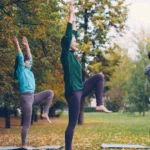
12. Mindful Movement and Yoga Sessions
Mindfulness isn’t just about stillness; it’s about bringing awareness to movement. Gentle yoga or simple stretches can be profoundly mindful.
How to do it:
- Gentle Guidance: A facilitator (or a yoga instructor) guides the group through simple, slow movements, emphasizing awareness of body sensations, breath, and posture.
- Focus on Sensation: Encourage participants to notice the stretch, the strength, the balance, and any discomfort, without judgment.
- Breath-Movement Connection: Link movement with breath – inhaling as you extend, exhaling as you fold.
- No Performance: Stress that this isn’t about perfect poses, but about mindful engagement with the body.
Benefits: Increases body awareness, reduces tension, improves flexibility, integrates mind and body. Our Take: We often incorporate gentle stretches or a short mindful yoga sequence into our longer workshops. It’s a fantastic way to release physical tension and re-energize the group. For beginner-friendly yoga resources, check out Yoga with Adriene on YouTube.
13. Mindfulness Role-Playing Scenarios
This activity helps participants practice mindful responses in challenging social situations.
How to do it:
- Scenario Cards: Prepare cards with common stressful scenarios (e.g., “Someone criticizes your work,” “You’re stuck in traffic,” “A friend is upset with you”).
- Pair Up: Participants work in pairs or small groups.
- Role Play: One person acts out the scenario, the other practices a mindful response (e.g., pausing, noticing bodily sensations, taking a breath, responding non-reactively).
- Debrief: After a few minutes, discuss what it felt like to respond mindfully versus reactively.
Benefits: Develops practical emotional regulation skills, improves communication, builds confidence in challenging situations. Our Take: This is particularly useful for groups focusing on stress management or social anxiety. It allows for safe experimentation with new ways of responding.
14. Group Mindfulness Challenges
A fun way to encourage daily practice and accountability.
How to do it:
- Choose a Challenge: As a group, decide on a simple daily mindfulness challenge for the week (e.g., “Mindful coffee/tea each morning,” “Five mindful breaths before every meal,” “Notice three new things on your commute”).
- Check-In: At the start of the next group session, everyone shares their experiences, successes, and challenges with the activity.
- Support: Encourage group members to offer support and tips to each other.
Benefits: Promotes consistency, builds accountability, integrates mindfulness into daily life, fosters a sense of shared purpose. Our Take: We’ve found these challenges incredibly effective for helping people sustain their practice between sessions. It’s amazing how a little peer support can make a big difference!
15. Sound Meditation and Gong Baths
Using sound to anchor attention can be a deeply immersive and relaxing experience.
How to do it:
- Comfortable Position: Participants lie down or sit comfortably, eyes closed.
- Sound Immersion: A facilitator uses instruments like singing bowls, gongs, chimes, or even guided nature sounds (as MHS-DBT.com suggests for “Connect with a sound”).
- Mindful Listening: Encourage participants to simply listen to the sounds, noticing their rise and fall, their vibrations, and how they affect the body, without judgment.
- Silence: Allow for moments of silence between sounds, noticing the lingering echoes.
Benefits: Deep relaxation, stress reduction, enhanced auditory awareness, can be profoundly meditative. Our Take: Gong baths are a personal favorite of ours for deep relaxation. The vibrations can be incredibly grounding and help quiet a busy mind. You can find many guided sound meditations on YouTube or apps like Insight Timer.
16. Mindfulness-Based Stress Reduction (MBSR) Workshops
While a full MBSR program is typically 8 weeks, elements can be adapted for shorter group activities.
How to do it:
- Core Practices: Focus on key MBSR practices like the body scan, sitting meditation, and mindful movement.
- Didactic Elements: Briefly introduce the core principles of MBSR – non-judgment, acceptance, beginner’s mind.
- Group Discussion: Facilitate discussions around participants’ experiences with stress and how mindfulness might offer new ways of relating to it.
- Home Practice: Encourage participants to try short daily practices between sessions.
Benefits: Comprehensive approach to stress management, teaches foundational mindfulness skills, evidence-based. Our Take: MBSR is the gold standard for a reason. Even a taste of its principles in a group setting can be incredibly impactful for those dealing with chronic stress. For more information, explore the official Mindfulness-Based Stress Reduction website.
17. Dialectical Behavioral Therapy (DBT) Mindfulness Skills Groups
DBT, developed by Marsha Linehan, heavily integrates mindfulness as a core skill, particularly for emotional regulation and distress tolerance. MHS-DBT.com is a great resource for these.
How to do it:
- “What” Skills: Focus on “Observe,” “Describe,” and “Participate” mindfully. For example, observe thoughts without judgment, describe sensations without interpretation, or fully participate in an activity.
- “How” Skills: Emphasize “Non-judgmentally,” “One-mindfully,” and “Effectively.”
- Specific Exercises: Incorporate DBT-specific mindfulness exercises like “Wise Mind” (balancing emotional and rational mind) or “Half-Smile” (gently smiling to influence mood).
- Skill Practice: Practice these skills in group activities, followed by discussion on their application in daily life.
Benefits: Highly structured, practical skills for emotional regulation, distress tolerance, and interpersonal effectiveness, particularly helpful for mental health challenges. Our Take: DBT mindfulness skills are incredibly practical and empowering. We often introduce elements of DBT mindfulness to help clients develop concrete strategies for managing intense emotions.
18. Mindfulness in Addiction Recovery Groups
Mindfulness offers powerful tools for individuals in recovery, helping them manage cravings and prevent relapse. PositivePsychology.com notes its utility in recognizing cravings as “passing intrusions.”
How to do it:
- Craving Surfing: Guide participants through an exercise where they observe a craving (for a substance, behavior, etc.) as a wave, noticing its intensity rise and fall without acting on it.
- Body Scan for Triggers: Use a body scan to identify physical sensations associated with triggers or cravings.
- Mindful Pause: Teach the “mindful pause” – a brief moment to stop, breathe, observe, and choose a response rather than reacting impulsively.
- Self-Compassion: Emphasize self-compassion for struggles and setbacks.
Benefits: Helps manage cravings, reduces impulsivity, increases self-awareness, supports long-term recovery. Our Take: We’ve seen mindfulness be a lifeline for individuals in recovery. It provides a sense of agency and helps them navigate difficult moments with greater awareness. For more resources, explore Mindfulness-Based Relapse Prevention (MBRP) programs.
19. Mindfulness for Anxiety and Depression Support Groups
Mindfulness provides effective strategies for coping with symptoms of anxiety and depression.
How to do it:
- Acceptance of Thoughts: Guide exercises that focus on observing anxious or depressive thoughts as mental events, rather than absolute truths, fostering an attitude of non-judgment (PositivePsychology.com).
- Grounding Techniques: Practice 5-4-3-2-1 senses (MHS-DBT.com) or other grounding exercises to bring focus to the present moment when overwhelmed.
- Mindful Movement: Gentle movement to release stored tension and energy.
- Loving-Kindness: Cultivate self-compassion to counter self-criticism often associated with depression.
- Sharing and Validation: Create a safe space for participants to share their experiences and feel validated.
Benefits: Reduces rumination, lessens symptom severity, improves coping skills, fosters emotional regulation. Our Take: Mindfulness is a cornerstone of support for these conditions. It empowers individuals to relate differently to their internal experiences, offering a path towards greater ease. For more on the benefits of mindfulness for mental health, check out our category page: Mental Health.
20. Creative Mindfulness Storytelling Circles
This unique activity combines mindfulness with imaginative expression and shared narrative.
How to do it:
- Mindful Observation: Start with a brief mindful observation exercise (e.g., focusing on an object, a sound, or a memory).
- Story Prompt: Provide a simple, open-ended story prompt related to the observation (e.g., “Tell a story about what this object has seen,” or “Imagine the journey of this sound”).
- Round-Robin Storytelling: Go around the circle, with each person adding a sentence or two to build a collective story. Encourage listening and building on what others have said.
- Reflection: Discuss how it felt to co-create a story mindfully, paying attention to each contribution.
Benefits: Fosters creativity, enhances listening skills, builds group cohesion, encourages imaginative present moment awareness. Our Take: This is a surprisingly engaging and fun activity that taps into our innate human desire for narrative while keeping us grounded in the present. It’s a wonderful way to end a session on a light, connected note.
🛠️ Tools and Resources to Facilitate Mindfulness Group Activities
Leading a mindfulness group, whether it’s for friends, colleagues, or a therapeutic setting, doesn’t require a mountain of gear. However, having a few key tools and resources can significantly enhance the experience for everyone. At Mindful Ideas™, we’ve found that thoughtful preparation makes all the difference.
Here’s what we recommend for your mindful toolkit:
- Comfortable Seating:
- Meditation Cushions (Zafus & Zabutons): These provide ergonomic support for sitting meditation, helping maintain a comfortable posture. Brands like Zafu & Zabuton Meditation Cushion Set by Bean Products are popular.
- 👉 CHECK PRICE on: Amazon | Walmart | Bean Products Official Website
- Yoga Mats: Great for body scans, mindful movement, or simply providing a clean, comfortable space on the floor. Brands like Gaiam or Manduka are excellent.
- 👉 Shop Gaiam Yoga Mats on: Amazon | Walmart | Gaiam Official Website
- Chairs: Ensure comfortable, sturdy chairs are available for those who prefer not to sit on the floor.
- Meditation Cushions (Zafus & Zabutons): These provide ergonomic support for sitting meditation, helping maintain a comfortable posture. Brands like Zafu & Zabuton Meditation Cushion Set by Bean Products are popular.
- Sound Tools:
- Singing Bowls (Tibetan or Crystal): These produce beautiful, resonant tones perfect for starting/ending meditations or for sound baths.
- Chimes: A simple chime can be a gentle way to signal the beginning or end of an exercise.
- 👉 Shop Mindfulness Chimes on: Amazon
- Bluetooth Speaker: For playing guided meditations, calming music, or nature sounds (e.g., JBL Flip 6 or Bose SoundLink Flex).
- 👉 Shop JBL Flip 6 on: Amazon | Walmart | JBL Official Website
- Sensory Exploration Items:
- Raisins, Berries, or Small Chocolates: For mindful eating exercises.
- Textured Objects: Smooth stones, feathers, rough fabrics, pinecones for “Objects in a Bag” or mindful touch exercises.
- Scented Oils or Candles: For mindful smelling activities (ensure no allergies in the group!). Brands like doTERRA or Young Living offer essential oils.
- 👉 Shop doTERRA Essential Oils on: Amazon | doTERRA Official Website
- Art & Journaling Supplies:
- Coloring Books (Mandalas, Nature Scenes): As mentioned by MHS-DBT.com, mandalas are great.
- Crayons, Colored Pencils, Markers: Crayola or Prismacolor are reliable brands.
- 👉 Shop Crayola Coloring Supplies on: Amazon | Walmart | Crayola Official Website
- Journals and Pens: Simple notebooks and smooth-writing pens.
- Visual Aids:
- “Clarity Jar” (MHS-DBT.com): A jar with water and glitter or sand to visualize a busy mind settling.
- Mindfulness Cards: Decks with prompts or short exercises (e.g., The Mindfulness Cards by Mindful.org).
- 👉 Shop Mindfulness Cards on: Amazon
- Digital Resources:
- Mindfulness Apps: Calm, Headspace, Insight Timer (many free guided meditations). These are fantastic for both facilitators and participants.
- Online Platforms: Websites like PositivePsychology.com offer a wealth of articles, worksheets, and scripts. Mindful.org is another excellent resource.
Remember, the most important “tool” is your presence and genuine intention to guide the group. These physical aids are simply there to support and enrich the experience.
💡 Expert Tips for Leading Successful Mindfulness Groups
Leading a mindfulness group is an art form, a delicate dance between guiding and allowing, structuring and flowing. As coaches at Mindful Ideas™, we’ve facilitated countless sessions, and we’ve learned a thing or two about what makes a group truly thrive. It’s not just about knowing the exercises; it’s about creating an atmosphere where present moment awareness can flourish.
Here are our top expert tips for leading successful mindfulness groups:
- Cultivate Your Own Practice First: This is non-negotiable. You can’t effectively guide others to a place you haven’t visited yourself. A consistent personal practice builds your authenticity, intuition, and capacity to hold space. As PositivePsychology.com reminds us, “Mindfulness takes practice.”
- Create a Safe and Non-Judgmental Space: This is paramount. From the moment participants walk in, they should feel accepted exactly as they are. Emphasize that there’s no “right” or “wrong” way to experience mindfulness. “When distractions occur, gently redirect attention without judgment,” as MHS-DBT.com advises. Use welcoming language and model acceptance.
- Start Simple and Build Gradually: Don’t overwhelm beginners with complex meditations. Begin with foundational practices like mindful breathing or a short body scan. As the group’s comfort and skills grow, you can introduce more nuanced exercises.
- Be Flexible and Responsive: Read the room! If the group seems restless, perhaps a mindful movement exercise is better than a long sitting meditation. If there’s a lot of shared anxiety, focus on grounding techniques. Have a few backup activities in your pocket.
- Emphasize “How,” Not Just “What”: As MHS-DBT.com perfectly states, “Mindfulness is not what you’re doing, but how you are attending to what you’re doing.” Constantly remind participants that the quality of their attention – curious, open, non-judgmental – is more important than achieving a specific state.
- Keep Instructions Clear and Concise: Overly wordy instructions can be distracting. Use simple, direct language. Pause frequently to allow participants to integrate the guidance.
- Model Mindful Presence: Your own calm and centered presence is contagious. Speak slowly, deliberately, and with a gentle tone. Take mindful pauses yourself.
- Encourage Sharing, But Don’t Force It: Create opportunities for participants to share their experiences, but make it clear that sharing is always optional. Validate all experiences, even those of struggle or distraction. This builds trust and normalizes the ups and downs of practice.
- Address Distractions Openly: Acknowledge that minds wander, sounds occur, and discomfort arises. Frame these as opportunities to practice bringing attention back, rather than failures. “The most important part of mindfulness is to recognize that it is a training of the mind,” says PositivePsychology.com.
- Incorporate Playfulness and Fun: As Breathworks-Mindfulness.org.uk champions, “The key to achieving a daily habit? Make it fun!” Don’t be afraid to use games, creative activities, or humor to lighten the mood and make mindfulness more accessible and enjoyable for adults.
- Offer Practical Applications: Help participants connect the dots between their group practice and their daily lives. How can they bring mindful breathing to a stressful meeting? How can mindful eating transform their meals? This makes the practice relevant and sustainable.
- Provide Resources for Home Practice: Suggest apps, books, or websites (like our own Mindful Ideas™) to support their individual journey between sessions. This empowers them to take ownership of their practice. For more on integrating mindfulness into your daily routine, check out our article: 15 Mindfulness Practices to Transform Your Life in 2026 🧘 ♂️.
Leading a mindfulness group is a privilege. By embodying these tips, you’ll not only facilitate powerful experiences for others but also deepen your own understanding and appreciation of mindfulness.
📚 Recommended Books, Apps, and Online Platforms for Mindfulness Groups
In our digital age, the world of mindfulness resources is vast and ever-growing. For both facilitators and participants in mindfulness groups, having access to reliable, engaging, and helpful tools can significantly enhance the learning and practice journey. At Mindful Ideas™, we’ve sifted through countless options to bring you our top recommendations.
Essential Books for Deeper Understanding & Practice:
These books offer profound insights and practical guidance, perfect for group discussions or individual study.
- “Wherever You Go, There You Are: Mindfulness Meditation in Everyday Life” by Jon Kabat-Zinn:
- “Mindfulness: An Eight-Week Plan for Finding Peace in a Frantic World” by Mark Williams and Danny Penman:
- “The Power of Now: A Guide to Spiritual Enlightenment” by Eckhart Tolle:
- “Radical Acceptance: Embracing Your Life with the Heart of a Buddha” by Tara Brach:
Top Mindfulness Apps for Guided Practice & Support:
These apps are fantastic for daily practice, offering guided meditations, sleep stories, and mindful exercises.
- Calm:
- Why we love it: A beautifully designed app with a vast library of guided meditations, sleep stories (narrated by celebrities like Matthew McConaughey!), breathing programs, and masterclasses. Excellent for stress reduction and improving sleep.
- 👉 Shop Calm App on: Google Play | Apple App Store | Calm Official Website
- Headspace:
- Why we love it: Known for its approachable, animated guides and structured courses, Headspace makes mindfulness feel less intimidating. Great for beginners and for building consistent daily habits.
- 👉 Shop Headspace App on: Google Play | Apple App Store | Headspace Official Website
- Insight Timer:
- Why we love it: A treasure trove of free guided meditations (over 100,000!), talks, and courses from thousands of teachers. It also has a robust community feature and a customizable meditation timer. Perfect for variety and exploration.
- 👉 Shop Insight Timer App on: Google Play | Apple App Store | Insight Timer Official Website
- Ten Percent Happier:
- Why we love it: Founded by journalist Dan Harris, this app caters to skeptics and offers practical, no-nonsense mindfulness teachings from renowned experts. It’s great for those who appreciate a more direct, science-backed approach.
- 👉 Shop Ten Percent Happier App on: Google Play | Apple App Store | Ten Percent Happier Official Website
Valuable Online Platforms for Learning & Resources:
These websites offer articles, research, and tools to deepen your understanding and facilitate group activities.
- Mindful.org:
- Why we love it: A fantastic hub for all things mindfulness. It features articles, guided practices, news, and resources for living a more mindful life. Excellent for staying informed and finding new ideas.
- Visit Mindful.org: Mindful.org Official Website
- PositivePsychology.com:
- Why we love it: As we’ve cited throughout this article, this site is a goldmine for evidence-based articles, exercises, and tools related to mindfulness, positive psychology, and wellbeing. Great for facilitators looking for structured activities and research.
- Visit PositivePsychology.com: PositivePsychology.com Official Website
- MHS-DBT.com Blog:
- Why we love it: Specifically for those interested in DBT-informed mindfulness, this blog offers practical exercises and insights into applying mindfulness for emotional regulation and mental health challenges.
- Visit MHS-DBT.com Blog: MHS-DBT.com Blog
- Breathworks-Mindfulness.org.uk:
- Why we love it: This organization focuses on mindfulness for pain, illness, and stress. Their blog, as we’ve noted, emphasizes making mindfulness fun and accessible, offering great ideas for engaging group activities.
- Visit Breathworks-Mindfulness.org.uk: Breathworks-Mindfulness.org.uk Official Website
By leveraging these resources, both you and your mindfulness group participants can continue to cultivate present moment awareness and integrate these transformative practices into your lives. Happy exploring!
🌍 How Mindfulness Group Activities Impact Community and Workplace Wellness
Mindfulness isn’t just a personal journey; it’s a powerful catalyst for positive change in collective spaces. At Mindful Ideas™, we’ve seen firsthand how mindfulness group activities can ripple outwards, transforming the dynamics of communities and workplaces. It’s about creating environments where individuals feel more connected, less stressed, and more engaged.
In the Community: Building Stronger Bonds and Greater Empathy
Imagine a neighborhood where people genuinely listen to each other, respond with compassion, and navigate disagreements with greater ease. That’s the potential of community-based mindfulness.
- Fostering Connection: Group mindfulness activities, like mindful listening pairs or gratitude circles, naturally encourage deeper connections. When people share vulnerable experiences in a safe space, barriers break down, and empathy grows. We’ve observed community groups move from polite acquaintances to genuine support networks.
- Reducing Conflict: By teaching emotional regulation and non-judgmental awareness, mindfulness helps individuals pause before reacting. This can significantly de-escalate tensions in community meetings, neighborhood disputes, or even family gatherings.
- Promoting Inclusivity: Mindfulness encourages us to see the shared humanity in everyone. When practiced collectively, it can break down biases and foster a more inclusive, accepting community where diverse perspectives are valued.
- Supporting Mental Health: Community mindfulness groups can serve as accessible, low-cost resources for mental health support, especially in areas with limited clinical services. They offer a proactive approach to stress reduction and wellbeing, as PositivePsychology.com notes, making mindfulness “suitable for settings with limited access to clinical psychologists.”
In the Workplace: Boosting Productivity, Reducing Burnout, and Enhancing Collaboration
The modern workplace is often a hotbed of stress, deadlines, and constant demands. Introducing mindfulness group activities can be a game-changer for employee wellbeing and organizational success.
- Stress Reduction & Burnout Prevention: High stress levels lead to burnout, absenteeism, and decreased productivity. Short, regular mindfulness breaks or workshops can significantly reduce workplace stress, helping employees recharge and maintain mental clarity. We’ve seen companies like Google and SAP successfully implement mindfulness programs, recognizing the tangible benefits.
- Improved Focus and Productivity: A mindful employee is a focused employee. Activities that enhance attention and concentration can help teams stay on task, make fewer errors, and be more efficient. Imagine a team meeting where everyone is truly present, rather than multitasking!
- Enhanced Communication and Collaboration: Mindful listening, a core group activity, directly translates to better team communication. When colleagues truly hear and understand each other, collaboration becomes smoother, conflicts are resolved more constructively, and innovation thrives.
- Greater Emotional Intelligence: Mindfulness cultivates self-awareness and empathy, crucial components of emotional intelligence. Employees with higher EQ are better at managing their own emotions and understanding those of others, leading to stronger leadership and team dynamics.
- Positive Workplace Culture: Introducing mindfulness signals that an organization cares about its employees’ wellbeing. This fosters a more supportive, compassionate, and positive work environment, which in turn boosts morale and retention.
One of our corporate clients, a tech startup, implemented weekly 15-minute mindful breathing sessions. Initially, there was skepticism, but within a few months, employees reported feeling less overwhelmed, more focused during meetings, and even noticed a reduction in office tension. Their CEO remarked, “It’s not just about being calm; it’s about being more effective and genuinely happier at work.”
By investing in mindfulness group activities, both communities and workplaces can cultivate environments that are not only more productive but also more humane, compassionate, and resilient.
🧠 Mindfulness Group Activities Tailored for Mental Health Challenges
Mindfulness is not a cure-all, but it is an incredibly powerful tool for navigating the complexities of various mental health challenges. At Mindful Ideas™, we’ve worked with individuals and groups facing a spectrum of difficulties, and we’ve seen how targeted mindfulness practices can offer profound relief, build coping skills, and foster a greater sense of agency. It’s about learning to relate differently to difficult thoughts and feelings, rather than being consumed by them.
Let’s explore how mindfulness group activities can be tailored for specific mental health concerns, drawing on insights from experts like PositivePsychology.com and MHS-DBT.com.
For Depression: Cultivating Presence and Self-Compassion
Depression often involves rumination on the past or worries about the future, along with self-criticism. Mindfulness helps break these cycles.
- Focus on the Present Moment: Activities like mindful walking or mindful eating help ground individuals in the “here and now,” interrupting the cycle of depressive thoughts. PositivePsychology.com emphasizes that mindfulness “promotes presence, self-awareness, and relationship insight” for depression.
- Observing Thoughts as Clouds: Guide participants to observe thoughts without judgment, imagining them as clouds passing in the sky. This fosters detachment from negative self-talk.
- Loving-Kindness Meditation: This is crucial for depression. Directing phrases of “May I be free from suffering, may I be happy” towards oneself can gently counter self-criticism and cultivate self-compassion.
- Gentle Movement: Mindful movement or gentle yoga can help alleviate the physical lethargy often associated with depression, reconnecting individuals with their bodies in a supportive way.
For Anxiety: Grounding, Acceptance, and Non-Reactivity
Anxiety thrives on future-oriented worry and a fear of unpleasant sensations. Mindfulness helps anchor individuals and accept what is.
- Grounding Techniques: The 5-4-3-2-1 senses exercise (MHS-DBT.com) or focusing on the feeling of feet on the floor can quickly bring an anxious mind back to the present.
- Body Scan for Sensations: Anxiety often manifests physically (racing heart, shallow breath). A body scan helps individuals notice these sensations without immediately reacting to them, fostering acceptance and reducing fear of the physical symptoms.
- Mindful Breathing: Focusing on the breath provides a stable anchor. Techniques like square breathing (MHS-DBT.com) can help regulate the nervous system.
- Acceptance of Anxious Thoughts: As PositivePsychology.com notes, mindfulness encourages “attitudes like patience, acknowledgment, non-judgment, self-compassion” and helps “recognize and accept anxious thoughts” rather than fighting them.
- Mindfulness Role-Playing: Practicing mindful responses to anxiety-provoking scenarios in a safe group setting can build confidence and reduce avoidance behaviors.
For Anger: Recognizing Triggers and Creating Space for Response
Anger often involves a rapid escalation of emotions and impulsive reactions. Mindfulness helps create a pause.
- Recognizing Bodily Sensations: Guide participants to notice the physical precursors to anger (e.g., tension in the jaw, heat in the chest). PositivePsychology.com highlights recognizing “bodily sensations” as key.
- The Mindful Pause: Teach the importance of a brief pause between stimulus and response. This “space” allows for a conscious choice rather than a reactive outburst.
- Observing Anger as Energy: Encourage viewing anger as a temporary energy surge, rather than a defining characteristic. “Observe anger” with curiosity.
- Compassion Practice: Extending compassion (even to those who trigger anger) can help soften the intensity and foster a more understanding perspective.
For Addiction: Managing Cravings and Cultivating Self-Awareness
Mindfulness is a cornerstone of many addiction recovery programs, helping individuals navigate cravings and develop healthier coping mechanisms.
- Craving Surfing: This powerful technique, mentioned earlier, teaches individuals to observe cravings as temporary waves that rise and fall, rather than irresistible urges. PositivePsychology.com emphasizes recognizing cravings as “passing intrusions.”
- Mindful Pause for Impulsivity: Before acting on an urge, individuals learn to pause, breathe, and bring awareness to their internal state, allowing for a more deliberate choice.
- Body Scan for Triggers: Identifying physical and emotional triggers through body awareness can help individuals anticipate and prepare for challenging moments.
- Self-Compassion and Non-Judgment: Recovery is often fraught with setbacks. Mindfulness fosters a non-judgmental attitude towards oneself, promoting resilience and reducing shame.
- Mindfulness-Based Relapse Prevention (MBRP): This structured program specifically integrates mindfulness into addiction recovery, providing evidence-based strategies.
It’s crucial to remember that while mindfulness is incredibly beneficial, these group activities are complementary to, not a replacement for, professional therapy or medical treatment for severe mental health conditions. However, by providing a supportive group environment and tailored practices, we empower individuals to build resilience, cultivate emotional regulation, and find greater ease in their lives. For more on the benefits of mindfulness for various conditions, explore our category: Mental Health.
🎉 Fun and Engaging Mindfulness Icebreakers and Games for Adult Groups
Who said mindfulness had to be all serious and silent? Not us at Mindful Ideas™! We firmly believe that mindfulness group activities should be engaging, enjoyable, and even a little bit playful. As Breathworks-Mindfulness.org.uk wisely states, “The key to achieving a daily habit? Make it fun!” This is especially true for adults who might be new to mindfulness or feel a bit self-conscious in a group setting.
Icebreakers and games are fantastic for:
- Lowering inhibitions and creating a relaxed atmosphere.
- Introducing mindfulness concepts in a lighthearted way.
- Building connection and rapport within the group.
- Developing focus and sensory awareness without feeling like “work.”
Here are some of our favorite fun and engaging mindfulness icebreakers and games for adult groups:
- “Mindful Jenga” (MHS-DBT.com inspired):
- How to Play: Set up a classic Jenga tower. Before each person takes a turn, they must take one mindful breath, noticing their body and the tower. As they pull a block, they focus on the sensations in their fingers, the sound of the wood, and the subtle shifts in the tower’s balance. If the tower falls, the group mindfully observes the sound and their reactions.
- Why it’s mindful: Encourages focus, patience, fine motor skill awareness, and observing reactions to suspense and failure.
- 👉 Shop Jenga on: Amazon | Walmart
- “The Sound Detective” (Enhanced Mindful Listening):
- How to Play: Ask everyone to close their eyes for 60-90 seconds. Instruct them to listen intently and identify as many distinct sounds as possible, both inside and outside the room. After the time is up, go around the circle and have each person share one unique sound they heard. Continue until no new sounds are mentioned.
- Why it’s mindful: Sharpens auditory awareness, encourages present moment awareness, and highlights how much we typically filter out.
- “Mindful Show & Tell”:
- How to Play: Ask participants to bring a small, everyday object from home that has some personal significance (or provide a selection of interesting objects). Each person takes a turn to mindfully observe their object, describing its appearance, texture, weight, and any associated feelings or memories, without judgment. The group listens mindfully.
- Why it’s mindful: Engages multiple senses, encourages non-judgmental observation, and fosters connection through shared stories.
- “The Human Knot (Mindful Edition)”:
- How to Play: Have 6-8 people stand in a circle, facing inwards. Each person extends their right hand and grabs a hand from someone across the circle. Then, they extend their left hand and grab a different hand from someone else across the circle. The goal is to untangle the “knot” without letting go of hands, moving slowly and mindfully, paying attention to body sensations, communication, and frustration.
- Why it’s mindful: Promotes body awareness, mindful communication, patience, and observing reactions to physical and mental challenges.
- “Mindful Guessing Game – What’s in the Bag?” (MHS-DBT.com inspired):
- How to Play: Place 5-7 diverse objects (e.g., a feather, a smooth stone, a piece of sandpaper, a small toy, a silk scarf) into an opaque bag. Pass the bag around. Each person reaches in, selects one object, and without looking, describes its texture, shape, temperature, and any other tactile sensations. The group tries to guess what it is.
- Why it’s mindful: Heightens tactile awareness, encourages descriptive language, and engages curiosity.
- “Mindful Movement Mirror”:
- How to Play: Divide the group into pairs. One person is the “leader,” the other the “mirror.” The leader performs slow, gentle, mindful movements (e.g., raising an arm, stretching, shifting weight), focusing on their own sensations. The mirror’s job is to mindfully imitate these movements, paying close attention to the leader’s movements and their own body’s response. After a few minutes, switch roles.
- Why it’s mindful: Enhances body awareness, empathy, non-verbal communication, and present moment awareness in interaction.
- “The Mindful Compliment Circle”:
- How to Play: Have the group sit in a circle. One person starts by giving a genuine, specific compliment to the person on their left, focusing on their qualities or contributions to the group. The recipient mindfully receives the compliment, noticing any sensations or emotions. Then, they turn to the person on their left and give a compliment.
- Why it’s mindful: Cultivates gratitude, positive social connection, and mindful reception of positive feedback.
These games are not just about having a laugh; they’re cleverly designed to sneak in powerful mindfulness lessons. By making the practice enjoyable, we increase the likelihood that adults will embrace mindfulness and integrate it into their daily lives, fostering greater wellbeing and resilience. So, go ahead, play a little!
🔄 Integrating Mindfulness Group Activities with Other Therapeutic Approaches
Mindfulness isn’t a standalone island in the vast ocean of therapeutic practices; it’s more like a powerful current that can enhance and deepen almost any other approach. At Mindful Ideas™, we frequently integrate mindfulness group activities with various therapeutic modalities, recognizing its incredible versatility and synergistic potential. This integration creates a more holistic and effective path to mental health and wellbeing.
Let’s explore how mindfulness beautifully intertwines with other therapeutic approaches:
1. Cognitive Behavioral Therapy (CBT)
CBT focuses on identifying and changing negative thought patterns and behaviors. Mindfulness acts as a powerful precursor and companion to CBT.
- Mindfulness’s Role: Before you can change a thought, you need to notice it. Mindfulness teaches the skill of observing thoughts without immediately engaging with them or believing them. This creates a crucial “space” for reflection.
- Integration: In a group setting, we might use mindful breathing or a body scan to help participants become aware of their internal states. Then, we can introduce CBT techniques to challenge distorted thoughts. For example, a participant might observe an anxious thought (“I’m going to fail”) and then, using CBT, question its validity. PositivePsychology.com notes that group mindfulness is “comparable to individual CBT” in effectiveness, highlighting this strong connection.
- Benefit: Mindfulness helps clients become more adept at identifying their cognitive distortions and emotional triggers, making CBT interventions more potent and self-directed.
2. Dialectical Behavioral Therapy (DBT)
DBT, as we’ve discussed, explicitly incorporates mindfulness as one of its four core skill sets. It’s designed to help individuals manage intense emotions and improve relationships.
- Mindfulness’s Role: DBT’s “What” skills (Observe, Describe, Participate) and “How” skills (Non-judgmentally, One-mindfully, Effectively) are pure mindfulness. They teach individuals to be present, aware, and accepting of their experiences. MHS-DBT.com is a testament to this integration.
- Integration: DBT skills groups are inherently mindfulness group activities. We might lead a mindful eating exercise to practice “one-mindfully” or a body scan to “observe” physical sensations associated with distress. The group then discusses how these skills can be applied to real-life situations to improve emotional regulation and distress tolerance.
- Benefit: Mindfulness provides the foundational awareness necessary for all other DBT skills to be effective, empowering individuals to navigate emotional storms with greater skill.
3. Acceptance and Commitment Therapy (ACT)
ACT encourages individuals to accept difficult thoughts and feelings rather than fighting them, while committing to actions aligned with their values.
- Mindfulness’s Role: Mindfulness is central to ACT’s concept of “psychological flexibility.” It teaches acceptance of internal experiences and “defusion” from unhelpful thoughts (seeing them as just thoughts, not facts).
- Integration: Group activities like observing thoughts or loving-kindness meditation can foster acceptance. We might guide a group through an exercise where they visualize difficult emotions as passengers on a bus, learning to observe them without letting them drive. This paves the way for identifying core values and committing to value-driven actions.
- Benefit: Mindfulness helps clients create space from their struggles, allowing them to engage more fully in life activities that truly matter to them.
4. Psychodynamic and Humanistic Therapies
These approaches focus on understanding unconscious patterns, past experiences, and fostering self-actualization. Mindfulness can deepen this self-exploration.
- Mindfulness’s Role: Mindfulness enhances self-awareness, allowing individuals to observe their internal landscape (thoughts, feelings, memories) with greater clarity and less reactivity. It helps bring unconscious patterns into conscious awareness.
- Integration: After a mindful meditation, a group discussion might explore what memories or emotions arose. The facilitator can then guide participants to explore these insights through a psychodynamic lens, connecting them to past experiences or relationship patterns.
- Benefit: Mindfulness provides a direct, experiential pathway to self-discovery, making the insights gained in therapy more immediate and impactful.
5. Trauma-Informed Care
For individuals with trauma, mindfulness needs to be approached with sensitivity, as focusing internally can sometimes be overwhelming.
- Mindfulness’s Role: When carefully facilitated, mindfulness can help individuals develop a sense of safety within their bodies, learn to regulate their nervous system, and gently process trauma-related sensations. Grounding techniques are particularly vital.
- Integration: We prioritize gentle, choice-based mindfulness activities for trauma survivors. This might involve focusing on external anchors (sounds, sights) before internal ones, or using short, guided meditations with an emphasis on safety and the option to open eyes at any time. The body scan can be adapted to focus on areas of comfort first.
- Benefit: Mindfulness, when applied thoughtfully, can help trauma survivors rebuild a sense of agency and connection to their bodies, fostering healing and resilience.
In essence, mindfulness acts as a universal enhancer, providing the foundational skills of present moment awareness, non-judgment, and emotional regulation that are beneficial across all therapeutic landscapes. By integrating these practices into group settings, we create a richer, more empowering experience for everyone involved.
📈 Measuring the Impact: How to Track Progress in Mindfulness Groups
“How do I know if it’s actually working?” This is a question we hear often at Mindful Ideas™, and it’s a perfectly valid one! While the benefits of mindfulness can feel subtle and deeply personal, there are indeed ways to track progress in mindfulness group activities. It’s not about achieving perfection, but about noticing shifts, however small, in present moment awareness, emotional regulation, and overall wellbeing.
Here’s how we, and many other experts, approach measuring the impact of mindfulness groups:
1. Self-Report Questionnaires and Scales
These are standardized tools that participants complete, often at the beginning and end of a program, or periodically throughout.
- Mindful Attention Awareness Scale (MAAS): This is a widely used, single-factor scale designed to assess a person’s general tendency to be aware of and attentive to present-moment experiences in daily life.
- Five Facet Mindfulness Questionnaire (FFMQ): A more comprehensive scale that measures five aspects of mindfulness: Observing, Describing, Acting with Awareness, Non-judging of Inner Experience, and Non-reactivity to Inner Experience.
- Perceived Stress Scale (PSS): Measures the degree to which situations in one’s life are appraised as stressful. A decrease in PSS scores often correlates with increased mindfulness practice.
- Depression Anxiety Stress Scales (DASS-21): A set of three self-report scales designed to measure the emotional states of depression, anxiety, and stress.
- How to Use: Administer these questionnaires at the start of the group (pre-intervention) and again at the end (post-intervention). The change in scores can indicate progress.
- Benefit: Provides quantitative data and a standardized way to track changes in mindfulness levels, stress reduction, and mental health symptoms.
2. Journaling and Reflective Prompts
Encouraging participants to keep a mindfulness journal can provide rich qualitative data and personal insights.
- Prompts: Provide specific prompts like:
- “Describe a moment this week when you felt fully present.”
- “What emotions did you notice today, and how did you respond to them?”
- “How did you handle a challenging situation this week, and did mindfulness play a role?”
- “What new insights have you gained about yourself or others?”
- Review: Participants can review their own entries over time to notice patterns, growth, and changes in their perspective. Group sharing of these reflections (voluntarily) can also highlight collective progress.
- Benefit: Offers a personal narrative of growth, deepens self-awareness, and allows for the articulation of subtle shifts that might not be captured by scales.
3. Group Discussions and Check-ins
Regular verbal check-ins are invaluable for understanding the lived experience of mindfulness.
- Structured Sharing: At the beginning or end of each session, ask open-ended questions:
- “What did you notice during today’s practice?”
- “How are you integrating mindfulness into your daily life?”
- “What challenges are you facing, and what successes have you had?”
- Facilitator Observation: As a facilitator, pay attention to changes in participants’ demeanor, communication style, and ability to articulate their internal experiences. Are they more calm? More articulate about their emotions?
- Benefit: Fosters community, provides immediate feedback, and allows for real-time adjustments to group activities based on participant needs.
4. Behavioral Observations
While harder to quantify, observing changes in behavior can be a powerful indicator of progress.
- In-Group Behavior: Do participants seem more relaxed? Are they more attentive during discussions? Do they respond to challenges within the group with greater emotional regulation?
- Self-Reported Behavioral Changes: Encourage participants to share instances where they applied mindfulness skills in their daily lives (e.g., “I usually snap at my kids when I’m stressed, but this week I took three mindful breaths first”).
- Benefit: Connects abstract mindfulness concepts to tangible, real-world applications, demonstrating the practical impact on resilience and interpersonal interactions.
5. Physiological Measures (Advanced)
For more formal research or clinical settings, physiological measures can provide objective data.
- Heart Rate Variability (HRV): Higher HRV is often associated with better emotional regulation and stress resilience.
- Cortisol Levels: A decrease in stress hormone levels can indicate reduced stress.
- Brain Imaging (fMRI): Research shows changes in brain regions associated with attention and emotion regulation with consistent mindfulness practice.
- Benefit: Provides objective, scientific evidence of mindfulness’s impact, though typically not practical for standard group settings.
A Word of Caution: It’s important to approach measurement with a non-judgmental attitude. Progress isn’t linear, and some weeks might feel more challenging than others. The goal is to cultivate awareness, not to achieve a perfect score or a constant state of bliss. As PositivePsychology.com reminds us, “Mindfulness takes practice. Try it again!” The act of noticing and reflecting on progress itself is a mindful practice.
💬 What Our Readers Say: Real Stories from Mindfulness Group Participants
At Mindful Ideas™, we’re passionate about the transformative power of mindfulness group activities, but don’t just take our word for it! Hearing directly from individuals who’ve experienced these groups truly brings the benefits to life. These are real stories, shared by participants who’ve found connection, calm, and profound personal growth through our programs and similar initiatives. Their journeys highlight the diverse ways mindfulness can impact adult lives.
“From Overwhelmed to Present: Sarah’s Story”
“Before joining the ‘Mindful Moments’ group, I was a whirlwind of stress. As a busy marketing manager and a mom of two, my mind was constantly racing – deadlines, school pickups, dinner plans. I felt perpetually overwhelmed and disconnected, even from my own family. I tried solo meditation apps, but I’d just get frustrated when my mind wandered.
The group was different. From the first guided meditation, I felt a sense of shared vulnerability. Hearing others talk about their ‘monkey minds’ made me realize I wasn’t alone. The mindful eating exercise with a single raisin was a revelation! I’d never truly tasted food before. Over the weeks, the mindful listening pairs helped me connect with people in a way I hadn’t in years. I learned to pause, breathe, and truly hear without planning my response.
Now, I still have busy days, but I have tools. I take mindful breaths before big meetings. I actually savor my morning coffee. My kids even notice! My daughter asked, ‘Mommy, why are you smiling at your food?’ It’s not about being perfectly calm all the time, but about having the awareness to choose my response. The group gave me my presence back.”
— Sarah P., 42, Marketing Manager
“Finding My Center in the Chaos: David’s Journey with Anxiety”
“I’ve struggled with generalized anxiety for years. It felt like a constant hum of worry, a tightness in my chest. My therapist suggested a mindfulness group, and honestly, I was skeptical. How could just ‘being present’ help with panic attacks?
The ‘Calm Collective’ group proved me wrong. The body scan exercises were particularly impactful. I learned to notice the physical sensations of anxiety – the racing heart, the shallow breath – without immediately spiraling into fear. It was like observing a storm from a safe distance, rather than being caught in its eye. The grounding techniques, especially the 5-4-3-2-1, became my lifeline during moments of intense panic.
What truly resonated was the non-judgmental atmosphere. We talked openly about our anxious thoughts, and the facilitator always reminded us that thoughts are just thoughts, not facts. This helped me detach from the endless ‘what ifs.’ I’m not ‘cured,’ but I now have a toolkit. When anxiety flares, I can pause, breathe, and choose to anchor myself in the present. It’s given me a sense of control I never thought possible.”
— David R., 35, Software Engineer
“Building Bridges, One Breath at a Time: Maria’s Workplace Experience”
“Our company introduced a weekly ‘Mindful Mondays’ group, and I admit, I rolled my eyes. Another corporate wellness fad, I thought. But as a team lead, I felt obligated to join. What a surprise!
The short mindful breathing circles and mindful movement sessions became a sanctuary in our hectic week. We even did a mindful listening exercise where we paired up and just listened to each other talk about a work challenge. It was incredible how much more connected I felt to my colleagues afterwards. We weren’t just problem-solving; we were truly understanding each other’s perspectives.
I noticed a shift in our team dynamics. Meetings became more focused, less prone to interruptions. People seemed to respond to stress with more patience. For me, personally, it helped me manage my own frustrations with project delays. I learned to take a mindful pause before reacting. It’s not just about individual calm; it’s about creating a more compassionate and productive work environment. Our team’s wellbeing has definitely improved.”
— Maria G., 50, Team Lead
These stories are a testament to the profound impact that mindfulness group activities can have. They underscore the power of shared experience, expert guidance, and consistent practice in cultivating present moment awareness, emotional regulation, and a deeper sense of connection in our lives.
📌 A Take-Home Message: Making Mindfulness Group Activities Work for You
So, we’ve journeyed through the fascinating world of mindfulness group activities for adults, from their historical roots to practical exercises and profound benefits. We’ve explored how they can transform personal wellbeing, enhance workplace dynamics, and even support specific mental health challenges. But what’s the ultimate takeaway? How do you ensure these powerful practices truly work for you?
Here at Mindful Ideas™, our core message is this: Mindfulness is a practice, not a destination. It’s a journey of continuous learning, gentle redirection, and unwavering self-compassion. And when you embark on this journey with others, the path often feels clearer, more supportive, and infinitely more enriching.
Here are our final thoughts to empower your mindful group journey:
- Embrace the “Messy Middle”: Your mind will wander. You will get distracted. You will have days where mindfulness feels impossible. This is not a failure; it’s part of the human experience and an opportunity to practice non-judgmental awareness and gentle return. As PositivePsychology.com wisely states, “Mindfulness takes practice. Try it again!”
- Find Your Tribe: The power of the group cannot be overstated. Seek out a group where you feel safe, supported, and understood. Whether it’s a formal MBSR program, a DBT skills group, or a casual community circle, the shared experience amplifies the benefits and provides invaluable accountability.
- Integrate, Don’t Isolate: Don’t confine mindfulness to just your group sessions. The real magic happens when you weave it into the fabric of your daily life. A mindful sip of coffee, a conscious walk to the mailbox, a moment of mindful listening with a loved one – these small acts accumulate into profound shifts. For more ideas, check out our article: 15 Mindfulness Practices to Transform Your Life in 2026 🧘 ♂️.
- Be Curious, Not Critical: Approach each activity and each moment with a beginner’s mind. What do you notice? What sensations are present? What thoughts are arising? This curious stance disarms the inner critic and opens you up to new insights.
- Prioritize Self-Compassion: This is perhaps the most crucial element. Be kind to yourself, especially when you struggle. Mindfulness isn’t about perfection; it’s about presence, and presence includes acknowledging your imperfections with warmth and understanding.
- Experiment and Play: As Breathworks-Mindfulness.org.uk reminds us, “The key to achieving a daily habit? Make it fun!” Don’t be afraid to try different activities, explore various apps, or even invent your own mindful games. The more enjoyable it is, the more likely you are to stick with it.
- The Ripple Effect is Real: Your personal practice of present moment awareness doesn’t just benefit you. It radiates outwards, positively impacting your relationships, your workplace, and your community. You become a calmer, more compassionate, and more resilient presence in the world.
So, whether you’re a seasoned meditator or just dipping your toes into the waters of mindfulness, remember that engaging in mindfulness group activities offers a unique and powerful pathway to a more aware, connected, and fulfilling life. Your journey into deeper presence starts now, and we at Mindful Ideas™ are here to cheer you on every step of the way. What small mindful step will you take today?
🏁 Conclusion: Your Journey Into Mindfulness Group Activities Starts Here

Phew! What a mindful adventure we’ve been on together. From exploring the rich history and science behind mindfulness group activities to diving into 20 engaging exercises, uncovering expert tips, and hearing heartfelt stories from real participants — we’ve covered a lot of ground. So, what’s the final word?
Mindfulness group activities for adults are not just a trend; they are a transformative practice with proven benefits. They foster connection, enhance emotional regulation, reduce stress, and build resilience — all within the supportive embrace of a community. Whether you’re battling anxiety, managing workplace stress, or simply seeking deeper presence, these group practices offer a rich toolkit for growth.
We addressed the question many of you might have had: How do I know if it’s working? By combining self-report scales, reflective journaling, group discussions, and behavioral observations, you can track your progress and celebrate even the smallest shifts in awareness and wellbeing.
And remember Sarah’s story? Or David’s journey through anxiety? Their experiences remind us that mindfulness is a practice — sometimes messy, often challenging, but always rewarding. The group setting amplifies this journey, providing encouragement, accountability, and shared wisdom.
If you’re wondering where to start, our confident recommendation is to join or form a mindfulness group that resonates with you — be it a formal MBSR course, a DBT skills group, or a casual community circle. Use the tools and resources we’ve shared, experiment with different activities, and most importantly, be kind to yourself along the way.
So, what’s next? Take a mindful breath, choose one activity from our top 20 list, and invite a friend or colleague to join you. The path to greater presence and peace is best traveled together. 🌿✨
🔗 Recommended Links for Further Exploration
Ready to gear up for your mindfulness group journey? Here are some top products, books, and apps to support you and your group:
-
Meditation Cushion Set (Zafu & Zabuton):
Amazon | Walmart | Bean Products Official Website -
Gaiam Yoga Mats:
Amazon | Walmart | Gaiam Official Website -
Calm App:
Google Play | Apple App Store | Calm Official Website -
Headspace App:
Google Play | Apple App Store | Headspace Official Website -
Insight Timer App:
Google Play | Apple App Store | Insight Timer Official Website -
Recommended Books on Amazon:
❓ Frequently Asked Questions About Mindfulness Group Activities
What is the joyful memory group activity?
The joyful memory group activity is a mindfulness exercise where participants recall and share a positive, uplifting memory. The group focuses on fully experiencing the sensory details and emotions of that memory in the present moment. This practice cultivates gratitude, positive affect, and strengthens social bonds by sharing joyful experiences. It’s a simple yet powerful way to boost mood and foster connection within a group.
What are the activities that help you practice mindfulness?
Mindfulness activities engage your attention in the present moment with openness and curiosity. Common activities include:
- Guided meditation: Focusing on breath, body sensations, or sounds.
- Body scan: Systematically noticing sensations from head to toe.
- Mindful breathing: Observing the natural rhythm of breath.
- Mindful eating: Paying close attention to the sensory experience of food.
- Mindful walking: Noticing each step and the environment.
- Mindful listening: Fully attending to sounds or another person without judgment.
- Creative activities: Coloring, journaling, or storytelling with mindful awareness.
These activities help develop non-judgmental awareness and emotional regulation.
What are mindfulness activities for adults?
Mindfulness activities for adults are practices designed to cultivate present moment awareness and reduce stress. They include both formal meditation and informal exercises such as:
- Group meditations and breathing circles.
- Body scans and mindful movement (e.g., yoga).
- Sensory explorations like mindful eating or touch.
- Mindfulness games and icebreakers to engage attention playfully.
- Loving-kindness meditation to foster compassion.
- Journaling and reflective sharing.
These activities are adaptable to adult needs, promoting mental clarity, emotional balance, and wellbeing.
What are effective mindfulness group activities for stress relief in adults?
Effective mindfulness group activities for stress relief include:
- Guided body scans: Promote deep relaxation and tension release.
- Mindful breathing exercises: Anchor attention and calm the nervous system.
- Mindful walking in nature: Grounds and refreshes the mind.
- Loving-kindness meditation: Reduces negative emotions and fosters positive feelings.
- Mindful listening pairs: Enhance empathy and reduce interpersonal stress.
- Mindfulness-based stress reduction (MBSR) workshops: Structured programs combining these techniques.
These activities reduce cortisol levels and improve emotional regulation, helping adults manage stress more effectively.
How can mindfulness group exercises improve mental health for adults?
Mindfulness group exercises improve mental health by:
- Enhancing emotional regulation, reducing impulsivity and reactivity.
- Increasing self-awareness, helping individuals recognize and detach from negative thought patterns.
- Building resilience against anxiety, depression, and stress.
- Providing social support and reducing feelings of isolation.
- Teaching practical skills to manage cravings, anger, and rumination.
- Encouraging self-compassion and acceptance, which buffer against mental health challenges.
Group settings amplify these benefits through shared experiences and accountability.
What are simple mindfulness practices to do in a group setting for adults?
Simple group mindfulness practices include:
- Mindful breathing circles: Everyone focuses on breath together.
- Body scan meditation: Guided attention to bodily sensations.
- Gratitude sharing: Each person shares something they appreciate.
- Mindful eating: Slowly savoring a small food item.
- Mindful listening: Pair up and listen attentively without interrupting.
- Mindful walking: Walking slowly and noticing sensations.
- Mindfulness games: Such as “Objects in a Bag” or “Mindful Simon Says.”
These are easy to facilitate and accessible for beginners.
How do mindfulness group activities enhance emotional well-being in adults?
Mindfulness group activities enhance emotional well-being by:
- Cultivating present moment awareness, reducing rumination and worry.
- Teaching non-judgmental acceptance of emotions, decreasing emotional avoidance.
- Promoting self-compassion, which mitigates harsh self-criticism.
- Building social connection and empathy, which are protective factors for mental health.
- Providing tools to respond skillfully to difficult emotions rather than reacting impulsively.
- Encouraging regular practice, which strengthens neural pathways associated with positive emotional states.
Together, these effects foster greater emotional balance, resilience, and overall happiness.
📑 Reference Links and Credible Sources
For further verification and exploration, here are reputable sources and official pages referenced throughout this article:
-
PositivePsychology.com — Mindfulness Exercises & Group Activities:
https://positivepsychology.com/mindfulness-exercises-techniques-activities/ -
MHS-DBT.com — Mindfulness Exercises:
https://www.mhs-dbt.com/blog/mindfulness-exercises/ -
Breathworks Mindfulness — 10 Mindfulness Games for Adults (and Children!):
https://www.breathworks-mindfulness.org.uk/blog/10-mindfulness-games-for-adults-and-children -
Bean Products — Meditation Cushions:
https://beanproducts.com/collections/wellness -
Gaiam — Yoga Mats:
https://www.gaiam.com/collections/yoga-mats -
Calm App:
https://www.calm.com/ -
Headspace App:
https://www.headspace.com/ -
Insight Timer:
https://insighttimer.com/ -
PositivePsychology.com Official Website:
https://positivepsychology.com/ -
MHS-DBT.com Blog:
https://www.mhs-dbt.com/blog/ -
Breathworks Mindfulness Official Website:
https://www.breathworks-mindfulness.org.uk/
Ready to start your mindful journey with others? Remember, the first step is often the hardest — but also the most rewarding. 🌟