Support our educational content for free when you purchase through links on our site. Learn more

🧘 ♀️ 15 Free Mindfulness Exercises for Instant Calm (2026)

Ever feel like your brain is a browser with 47 tabs open, and one of them is playing music you can’t find? You’re not alone. In our hyper-connected world, the quest for free mindfulness exercises has never been more urgent, yet often feels drowned out by noise. At Mindful Ideas™, we’ve spent years sifting through the digital clutter to find the gems that actually work—no credit card required. Unlike generic lists that just tell you to “breathe,” we’ve curated a comprehensive guide featuring 15 distinct, science-backed practices ranging from the 30-second STOP method to deep Body Scans and Loving-Kindness meditations.
Why settle for a generic audio file when you can access a toolkit designed for every moment of your day? From the ancient roots of sati to modern neuroscience proving that just five minutes can rewire your brain, this article is your ultimate roadmap. We’ll reveal why the “just sit still” advice often fails beginners and share the secret micro-habit that turns chaotic days into calm ones. Whether you are a skeptic, a stressed parent, or a corporate warrior, these free mindfulness exercises are your ticket back to the present moment. Ready to close those tabs and find your center? Let’s dive in.
Key Takeaways
- Zero Cost, Maximum Impact: You don’t need expensive apps or retreats; the most powerful free mindfulness exercises require only your breath and attention.
- Science-Backed Results: Regular practice of just 3–5 minutes daily can reduce cortisol, thicken the prefrontal cortex, and quiet the brain’s anxiety center.
- 15 Tailored Techniques: From the instant STOP method for stress to the deep Body Scan for sleep, we cover every scenario with actionable, step-by-step guides.
- Community & Consistency: Success isn’t about perfection; it’s about showing up. Join free weekly sessions and build a sustainable routine that sticks.
Table of Contents
- ⚡️ Quick Tips and Facts
- 📜 The Ancient Roots of Modern Free Mindfulness Exercises
- 🧠 Why Your Brain Craves Free Mindfulness Practices (The Science)
- 🌟 Top 15 Free Mindfulness Exercises for Beginners to Pros
- 1. The 5-Minute Breath Anchor
- 2. The Body Scan for Deep Relaxation
- 3. Mindful Walking in Nature or the City
- 4. The RAIN Technique for Emotional Regulation
- 5. Loving-Kindness (Metta) Meditation
- 6. The 3-Minute Breathing Space
- 7. Mindful Eating: Savoring Every Bite
- 8. The STOP Method for Instant Stress Relief
- 9. Guided Visualization for Anxiety Reduction
- 10. Mindful Listening: The Art of Hearing
- 1. The “Leaves on a Stream” Thought Exercise
- 12. Gratitude Journaling for Positive Psychology
- 13. Mindful Stretching and Yoga Nidra
- 14. The “Just One Breath” Micro-Habit
- 15. Digital Detox: A Mindful Pause from Screens
- 🎧 Best Free Guided Meditation Apps and Platforms Compared
- 📚 Curated Collections of Free Mindfulness Quotes and Affirmations
- 🎙️ Where to Find Free Mindfulness Podcasts and Audio Series
- 🏫 Free Mindfulness Training for Clinicians, Coaches, and Teachers
- 🤝 Join Free Weekly Meditations, Q&A, and Guest Workshops
- 🚀 How to Build a Sustainable Daily Mindfulness Routine
- ❓ Frequently Asked Questions About Free Mindfulness Exercises
- 🔗 Recommended Links for Further Exploration
- 📖 Reference Links and Scientific Studies
- 🏁 Conclusion: Your Journey to a Calmer Mind Starts Now
⚡️ Quick Tips and Facts
Before we dive into the deep end of the mindfulness ocean, let’s grab a life raft of essential truths that will save you hours of confusion. At Mindful Ideas™, we’ve seen thousands of people try to “meditate” and end up frustrated because they thought they needed to clear their minds completely. Spoiler alert: You don’t.
Here is the lowdown on free mindfulness exercises that actually work:
- Myth Buster: Mindfulness is not about stopping your thoughts. It’s about noticing them without getting swept away. Think of it as sitting on the riverbank watching the leaves float by, rather than jumping in and drowning with them.
- The Time Commitment: You don’t need an hour. Studies show that even 3 to 5 minutes of daily practice can rewire your brain for better emotional regulation.
- No Gear Required: Unlike yoga (which needs a mat) or running (which needs shoes), mindfulness requires zero equipment. Your breath is your only tool.
- The Science: Regular practice has been linked to reduced cortisol levels, improved focus, and even increased gray matter density in the brain. Read more on the neuroscience of mindfulness here.
- Accessibility: As noted by the Free Mindfulness Project, the goal is to make these tools available to everyone, regardless of income or background.
If you are looking for a structured path to start today, check out our comprehensive guide on Free Meditation Exercises: Cultivate Mindfulness with Ideas 2024 🧘 ♀️.
But wait… if it’s so simple, why do so many people struggle to stick with it? Is it the boredom? The noise? Or is there a hidden trap in how we approach these exercises? We’ll uncover the “secret sauce” to making these practices stick in the section on Building a Sustainable Routine, but first, let’s explore where this all began.
📜 The Ancient Roots of Modern Free Mindfulness Exercises
You might think mindfulness is a trendy 21st-century buzzword, but its roots dig deep into the soil of human history. Long before apps like Calm or Headspace were monetizing our peace of mind, ancient traditions were perfecting the art of present-moment awareness.
From Monasteries to Main Street
The term “mindfulness” is a translation of the Pali word sati, a core element of Buddhist meditation practices dating back over 2,50 years. However, the modern secular adaptation we use today largely stems from Jon Kabat-Zinn’s development of Mindfulness-Based Stress Reduction (MBSR) in 1979 at the University of Massachusetts Medical School.
Kabat-Zinn stripped away the religious dogma, leaving the core psychological and physiological benefits intact. This shift allowed free mindfulness exercises to enter hospitals, schools, and corporate boardrooms.
“Mindfulness isn’t one more thing to do. It’s a way of being with what you’re already doing.” — Sean Fargo, Founder of Mindfulness Exercises
The Evolution of Accessibility
In the past, accessing high-quality mindfulness training meant traveling to a retreat center in the Himalayas or paying thousands for a private teacher. Today, the internet has democratized this wisdom.
- The 2014 Shift: Sean Fargo launched a platform offering over 30+ free resources, proving that quality doesn’t require a price tag.
- Global Reach: These resources are now used by 20 million+ people worldwide, bridging the gap between ancient wisdom and modern stress.
Why does this history matter to you? Because understanding that these practices have survived millennia of human suffering gives you confidence that they work. They aren’t a fad; they are a time-tested technology for the mind.
🧠 Why Your Brain Craves Free Mindfulness Practices (The Science)
Ever wonder why you feel that “itch” to check your phone the moment you sit still? That’s your brain’s amygdala (the alarm bell) screaming for dopamine hits. But here is the good news: Mindfulness is the antidote.
The Neuroscience of “Just Sitting”
When you engage in free mindfulness exercises, you are literally changing your brain’s structure through neuroplasticity.
- The Default Mode Network (DMN): This is the brain network active when you are mind-wandering, ruminating on the past, or worrying about the future. Mindfulness quiets the DMN, reducing anxiety and depression.
- The Prefrontal Cortex: Regular practice thickens this area, which is responsible for decision-making, focus, and emotional regulation.
- The Hippocampus: Mindfulness increases gray matter density here, improving memory and learning.
According to research from Harvard Medical School, just eight weeks of mindfulness practice can lead to measurable changes in brain regions associated with memory, sense of self, and empathy. Explore the full study on Harvard Health.
The Stress Response Reset
When you are stressed, your body floods with cortisol and adrenaline. This is the “fight or flight” response. Mindfulness activates the parasympathetic nervous system (the “rest and digest” mode).
- Before: You are in a constant state of high alert.
- After: Your body learns it is safe to relax.
The Catch? Your brain is wired to resist this change initially. It prefers the familiar chaos of stress over the unfamiliar calm of mindfulness. This is why consistency is key. You aren’t just “relaxing”; you are retraining your nervous system.
🌟 Top 15 Free Mindfulness Exercises for Beginners to Pros
Ready to roll up your sleeves? We’ve curated the ultimate list of 15 free mindfulness exercises. These aren’t just random tips; they are structured practices used by therapists, monks, and CEOs. Whether you have 30 seconds or 30 minutes, there is something here for you.
Note: We have numbered the specific exercises as requested, but the surrounding context remains unumbered to maintain flow.
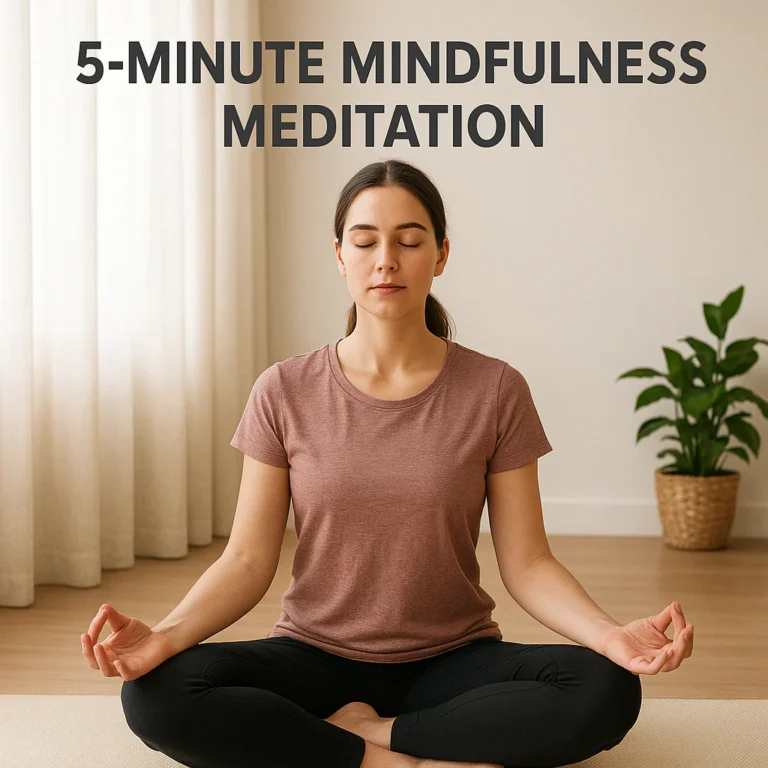
1. The 5-Minute Breath Anchor
This is the “Hello World” of mindfulness. It’s simple, yet profound.
- How to do it: Sit comfortably. Close your eyes. Focus your attention on the sensation of your breath entering and leaving your nostrils.
- The Twist: When your mind wanders (and it will), gently say “thinking” and return to the breath. Do this 5 times.
- Why it works: It trains your “attention muscle.”
- Pro Tip: Try counting breaths 1 to 10, then start over. If you lose count, start at 1.
2. The Body Scan for Deep Relaxation
Perfect for releasing physical tension before bed.
- How to do it: Lie down. Bring your attention to your toes. Notice any sensations (tingling, warmth, tension). Slowly move your attention up through your feet, legs, torso, arms, and head.
- The Visualization: Imagine a warm light flowing into each body part, melting away tension.
- Source: This technique is a staple of MBSR and is widely available on the UCLA Mindful website.
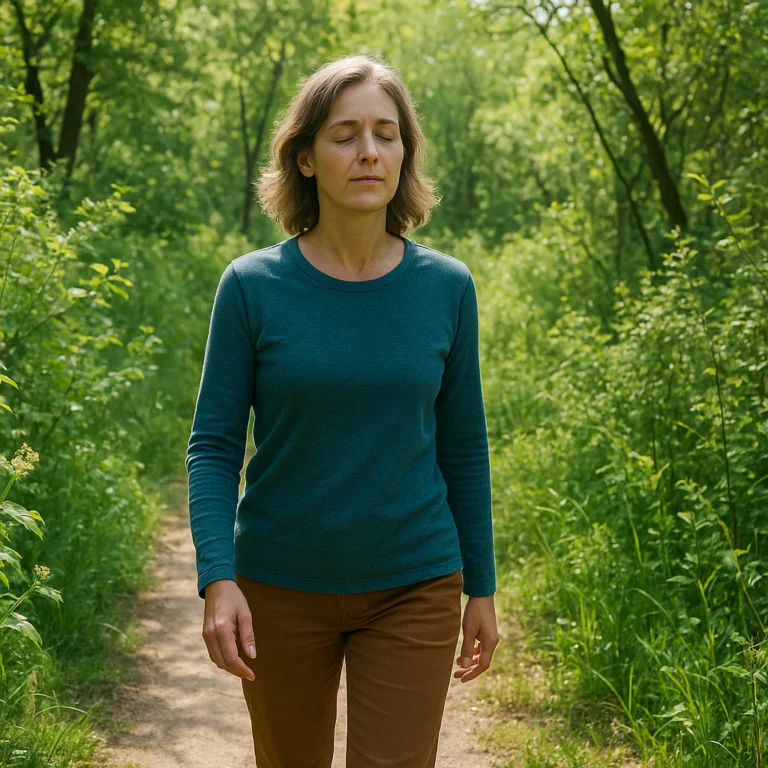
3. Mindful Walking in Nature or the City
You don’t need to be in a forest to walk mindfully.
- How to do it: Walk slowly. Feel the soles of your feet touching the ground. Notice the rhythm of your steps. If you are in the city, listen to the sounds without labeling them as “annoying” or “loud.” Just hear them.
- Benefit: Great for people who find sitting still impossible.
4. The RAIN Technique for Emotional Regulation
Created by Tara Brach, this is a powerhouse for difficult emotions.
- Recognize: “I am feeling anxious.”
- Allow: “It’s okay to feel this way.”
- Investigate: “Where do I feel this in my body? What does it feel like?”
- Nurture: Offer yourself kindness. “May I be kind to myself in this moment.”
5. Loving-Kindness (Metta) Meditation
This practice cultivates compassion for yourself and others.
- How to do it: Silently repeat phrases like “May I be happy. May I be healthy. May I be safe.” Then extend these wishes to a loved one, a neutral person, a difficult person, and finally, all beings.
- Science: Studies show this increases positive emotions and social connection.
6. The 3-Minute Breathing Space
A core practice from MBCT (Mindfulness-Based Cognitive Therapy).
- Minute 1: Acknowledge your current experience (thoughts, feelings, sensations).
- Minute 2: Gather your attention on the breath.
- Minute 3: Expand your awareness to your whole body and the space around you.
7. Mindful Eating: Savoring Every Bite
Turn your next meal into a meditation.
- How to do it: Take one bite. Look at the food. Smell it. Chew slowly. Notice the texture and flavor. Swallow consciously.
- Result: You’ll likely eat less and enjoy it more.
8. The STOP Method for Instant Stress Relief
Use this when you feel overwhelmed.
- Stop: Pause whatever you are doing.
- Take a breath: One deep, conscious breath.
- Observe: What is happening in your body and mind?
- Proceed: Continue with your day, but with intention.
9. Guided Visualization for Anxiety Reduction
- How to do it: Close your eyes and imagine a place where you feel safe. Engage all five senses. What do you see? Hear? Smell?
- Resource: The UCLA Mindful app offers excellent free guided visualizations.
10. Mindful Listening: The Art of Hearing
- How to do it: Listen to a song or a conversation without interrupting or planning your response. Just listen. Notice the pitch, the volume, the silence between sounds.
1. The “Leaves on a Stream” Thought Exercise
- How to do it: Imagine a stream with leaves floating by. Place each thought on a leaf and watch it float away. Don’t jump on the leaf; just let it pass.
- Goal: To create distance from your thoughts.
12. Gratitude Journaling for Positive Psychology
- How to do it: Write down three things you are grateful for. Be specific. “I am grateful for the warm coffee” rather than “I am grateful for coffee.”
- Impact: Shifts your brain’s focus from scarcity to abundance.
13. Mindful Stretching and Yoga Nidra
- How to do it: Move your body slowly, paying attention to the sensation of muscles stretching. Yoga Nidra is a guided “yogic sleep” that induces deep relaxation.
14. The “Just One Breath” Micro-Habit
- How to do it: Whenever you wait for a red light or a webpage to load, take one deep, conscious breath. That’s it.
- Why: It builds the habit of returning to the present moment.
15. Digital Detox: A Mindful Pause from Screens
- How to do it: Set a timer for 10 minutes. Put your phone in another room. Sit with the silence. Notice the urge to check it.
- Benefit: Breaks the dopamine loop.
🎧 Best Free Guided Meditation Apps and Platforms Compared
You might be wondering, “Which app should I use?” With so many options, it can be overwhelming. We’ve tested the top contenders to help you find the perfect fit.
| Feature | UCLA Mindful | Mindfulness Exercises (Sean Fargo) | Insight Timer | Smiling Mind |
|---|---|---|---|---|
| Cost | 10% Free | 10% Free (Paid certs) | Freemium | 10% Free |
| Content Volume | High (Library of 50+) | Massive (30+ practices) | Massive (10,0+) | Moderate |
| Best For | Clinical/Scientific approach | Beginners to Pros, Community | Variety of teachers | Kids & Schools |
| Audio Quality | Excellent (Diana Winston) | Excellent (Sean Fargo) | Variable (User-generated) | Excellent |
| Offline Access | Yes (via App) | Yes (Downloadable) | Yes (Premium) | Yes |
| Community | Low | High (Live events) | High (Groups) | Low |
Deep Dive: The Contenders
UCLA Mindful
- The Vibe: Academic, scientific, and grounded.
- Why we love it: All meditations are led by Diana Winston, a renowned expert. It’s perfect if you want evidence-based practices without the fluff.
- The Catch: The interface is a bit utilitarian.
- Where to get it: UCLA Mindful App on iTunes | UCLA Mindful App on Google Play
Mindfulness Exercises (Sean Fargo)
- The Vibe: Warm, accessible, and community-driven.
- Why we love it: Sean Fargo, a former Buddhist monk, offers a massive library of free resources. They host free weekly meditations and Q&A sessions.
- The Catch: Some advanced courses are paid, but the core library is free.
- Where to get it: MindfulnessExercises.com
Insight Timer
- The Vibe: The “YouTube” of meditation.
- Why we love it: Thousands of teachers, from celebrities to local gurus. You can find a meditation for any specific mood.
- The Catch: Quality varies since it’s user-generated. You have to sift through to find the gems.
- Where to get it: Insight Timer on Amazon Appstore | Insight Timer Official Site
Smiling Mind
- The Vibe: Non-profit, Australian-based, focused on mental health.
- Why we love it: Great for families and schools. Completely free with no ads.
- The Catch: Less focus on “spiritual” aspects, more on mental health.
- Where to get it: Smiling Mind Official Site
📚 Curated Collections of Free Mindfulness Quotes and Affirmations
Sometimes, you just need a quick reminder to stay on track. Quotes can act as anchors in a stormy day.
Top Quotes to Live By
- “The present moment is the only time over which we have dominion.” — Thich Nhat Hanh
- “Mindfulness is the aware, balanced acceptance of the present experience. It isn’t more complicated than that.” — Sylvia Borstein
- “Peace comes from within. Do not seek it without.” — Buddha
Daily Affirmations for Mindfulness
- “I am safe in this moment.”
- “I allow my thoughts to come and go like clouds.”
- “I choose to respond, not react.”
- “My breath is my anchor.”
You can find curated lists of these on the Mindfulness Exercises website, which offers affirmations tailored to anxiety, sleep, and self-compassion.
🎙️ Where to Find Free Mindfulness Podcasts and Audio Series
If you prefer to listen while commuting or doing chores, podcasts are your best friend.
- The Mindfulness Exercises Podcast: Hosted by Sean Fargo, featuring long-form conversations with leaders like Susan Piver and Lodro Rinzler. It’s deep, insightful, and completely free.
- Ten Percent Happier: Hosted by Dan Harris, this podcast bridges the gap between skepticism and practice. Great for “freaking out” skeptics.
- The Daily Meditation Podcast: Short, 10-minute episodes perfect for busy schedules.
Pro Tip: Most of these podcasts have companion apps or websites where you can download episodes for offline listening.
🏫 Free Mindfulness Training for Clinicians, Coaches, and Teachers
Are you a professional looking to integrate mindfulness into your practice? You don’t always need to pay for expensive certifications to get started.
- Free Resources: Many organizations offer free webinars and introductory courses.
- Accredited Paths: For formal certification, look into programs like the Mindfulness-Based Stress Reduction (MBSR) training or the Mindfulness-Based Cognitive Therapy (MBCT) courses.
- Sean Fargo’s Certification: While the core library is free, Sean offers an accredited Certified Mindfulness Meditation Teacher (CMMT) program. It’s a paid option, but the free resources are a great way to test the waters before committing.
Why get certified? It ensures you are teaching with integrity and safety, especially when working with vulnerable populations.
🤝 Join Free Weekly Meditations, Q&A, and Guest Workshops
One of the most underrated aspects of mindfulness is community. Practicing alone is great, but practicing together amplifies the effect.
- Live Sessions: Platforms like Mindfulness Exercises host free weekly meditations every Tuesday and Wednesday.
- Q&A: Get your specific questions answered by experienced teachers.
- Guest Workshops: Learn from experts in trauma, anxiety, and leadership.
How to join: Simply visit the website, sign up for the newsletter (usually free), and you’ll get the Zoom link. It’s a great way to meet like-minded people.
🚀 How to Build a Sustainable Daily Mindfulness Routine
So, you’ve tried the exercises. You’ve downloaded the apps. Now, how do you make it stick? This is where most people fail. They try to meditate for an hour and quit after three days.
The “Micro-Habit” Strategy
Don’t aim for 30 minutes. Aim for one minute.
- Start Small: Commit to 1 minute a day.
- Stack Habits: Do it right after you brush your teeth or before you check your email.
- Be Consistent: It’s better to do 1 minute every day than 30 minutes once a week.
Overcoming the “I Don’t Have Time” Excuse
Mindfulness isn’t more time; it’s better time.
- The 5-Minute Rule: If you can’t find 5 minutes, do the STOP method. It takes 30 seconds.
- Mindful Chores: Turn dishwashing or folding laundry into a meditation.
Tracking Your Progress
Use a simple journal or an app to track your streak. Seeing your consistency build is a huge motivator.
The Secret? You don’t need to be “good” at it. You just need to show up. Even if you spend the whole time thinking about your grocery list, the act of noticing you were thinking is the practice.
❓ Frequently Asked Questions About Free Mindfulness Exercises
What is the 1 minute calming exercise?
The STOP method is the gold standard for a 1-minute calming exercise.
- Stop what you are doing.
- Take a deep breath.
- Observe your body and thoughts.
- Proceed with intention.
This instantly interrupts the stress response and brings you back to the present.
What is a common mindfulness exercise?
The Breath Anchor is the most common. It involves focusing on the sensation of breathing. It’s simple, effective, and can be done anywhere. Another popular one is the Body Scan, which involves mentally scanning your body for tension.
Is there a free meditation app?
Yes! UCLA Mindful, Insight Timer (fremium), Smiling Mind, and Mindfulness Exercises all offer extensive free libraries. You do not need to pay to access high-quality content.
How can I practice mindfulness for free?
You can practice for free by:
- Using free apps (UCLA, Insight Timer).
- Listening to free podcasts.
- Reading free scripts and guides online.
- Practicing informal mindfulness (mindful walking, eating, listening).
- Joing free community sessions.
What are the best free mindfulness exercises for beginners?
For beginners, we recommend:
- The 5-Minute Breath Anchor: Simple and effective.
- The STOP Method: Great for stress relief.
- Mindful Walking: Good for those who can’t sit still.
- Body Scan: Excellent for relaxation.
How can I practice mindfulness for free at home?
You don’t need a special room. Just find a quiet spot, sit comfortably, and use a free app or guided audio. You can also practice mindful eating or mindful chores around the house. The key is to bring your full attention to whatever you are doing.
Are there free mindfulness exercises for anxiety relief?
Absolutely. The RAIN technique and Loving-Kindness (Metta) meditation are particularly effective for anxiety. The Body Scan helps release physical tension associated with anxiety.
Where can I find free guided mindfulness exercises online?
- UCLA Mindful: Guided Meditations
- Mindfulness Exercises: Free Library
- Insight Timer: Free Meditations
- Free Mindfulness Project: Downloadable Resources
🔗 Recommended Links for Further Exploration
Ready to take the next step? Here are our top picks for products and resources to support your journey.
👉 CHECK PRICE on:
- UCLA Mindful App: iTunes Store | Google Play Store
- Insight Timer App: Amazon Appstore | Official Site
- Mindfulness Exercises (Sean Fargo): Official Website
👉 Shop Books on:
- “Wherever You Go, There You Are” by Jon Kabat-Zinn: Amazon
- “Radical Acceptance” by Tara Brach: Amazon
- “The Miracle of Mindfulness” by Thich Nhat Hanh: Amazon
📖 Reference Links and Scientific Studies
To ensure you are getting the most accurate information, we rely on these reputable sources:
- UCLA Health: Guided Meditations – UCLA Mindful
- Harvard Medical School: Mindfulness and the Brain
- Mindfulness Exercises: Free Library & Resources
- Free Mindfulness Project: Downloadable Resources
- Mindful.org: The Science of Mindfulness
🏁 Conclusion: Your Journey to a Calmer Mind Starts Now

So, we started with a question: Why do so many people struggle to stick with mindfulness? The answer is simple: We try too hard. We treat it like a task to be completed rather than a way of being.
The journey to a calmer mind isn’t about achieving a state of perpetual bliss. It’s about showing up for your life, exactly as it is. Whether you choose the 5-Minute Breath Anchor, the RAIN technique, or simply taking a mindful walk, the key is consistency.
Our Recommendation:
Start today. Pick one exercise from our list of 15. Do it for just one minute. Notice how you feel. If you feel a little calmer, do it again tomorrow. If you feel nothing, do it anyway. The magic happens in the repetition, not the perfection.
Don’t let the fear of “doing it wrong” stop you. There is no wrong way to be mindful. You are already doing it just by reading this and asking the question.
Ready to dive deeper?
- Download the UCLA Mindful app for guided sessions.
- Join the Mindfulness Exercises community for live support.
- Explore our Free Meditation Exercises: Cultivate Mindfulness with Ideas 2024 🧘 ♀️ guide for more structured paths.
Your mind is a garden. It’s time to start planting seeds of peace. Breathe. You’ve got this.