Support our educational content for free when you purchase through links on our site. Learn more

🎨 5 Mindful Art Secrets to Unlock Your Inner Artist (2026)

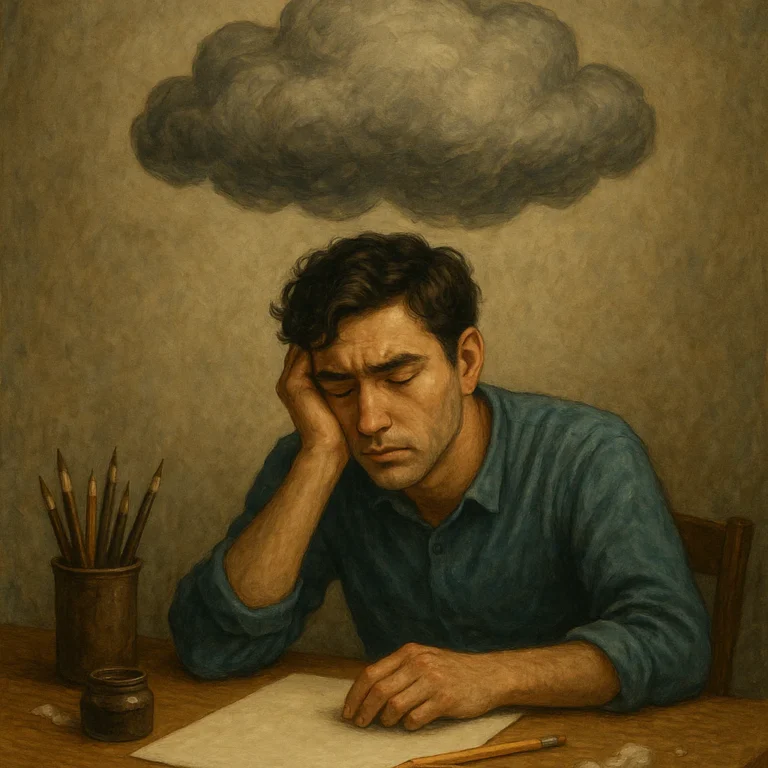
Ever stared at a blank page, pen in hand, only to hear that tiny, naging voice whisper, “You can’t draw a stick figure, so why bother?” We’ve all been there. But what if we told you that the very act of believing you “aren’t an artist” is the only thing stopping you from experiencing one of the most profound stress-relief tools available? At Mindful Ideas™, we’ve watched skeptics transform into joyful creators simply by shifting their focus from the final product to the present moment.
In this comprehensive guide, we’re diving deep into the world of mindful art and creative expression, dismantling the myths that hold you back, and revealing five specific, science-backed activities you can start today. Did you know that just 45 minutes of creative engagement can lower your cortisol levels by up to 25%? That’s right—your doodles might be more powerful than a meditation app. We’ll walk you through everything from the history of Zen calligraphy to simple, mess-free exercises like the 5-Minute Doodle Meditation and Zentangle for Anxiety Relief.
Whether you’re looking to quiet a racing mind, process complex emotions, or simply rediscover the playful child within, this article is your permission slip to create without judgment. By the end, you won’t just understand why you think you aren’t an artist; you’ll have the tools to prove that voice wrong. Ready to pick up a pen and find your flow? Let’s get creative.
Key Takeaways
- Creativity is a birthright, not a talent: You do not need “skill” to engage in mindful art; the process is the goal, not the masterpiece.
- Science-backed stress relief: Engaging in mindful art activities can significantly lower cortisol levels and shift your brain into a restorative state.
- Five foolproof activities: From Zentangle to collage therapy, we provide step-by-step guides for beginners to start immediately.
- Silence the inner critic: Learn how to reframe negative self-talk and embrace imperfection as a vital part of the healing journey.
- Accessibility matters: You don’t need expensive supplies; a simple pen and paper are all you need to begin your mindful art practice.
Table of Contents
- ⚡️ Quick Tips and Facts
- 🎨 The Roots of Mindful Art: A Brief History of Creative Expression
- 🧠 Why You Think You Aren’t an Artist (And Why You’re Wrong)
- ✨ The Science-Backed Benefits of Mindful Meditative Art Activities
- 📉 Stress Reduction and Cortisol Control
- 🧘 ♀️ Enhancing Flow State and Focus
- 💖 Emotional Regulation and Self-Discovery
- 🛠️ Our Current Mindful Meditative Art Activities for Beginners
- 1. The 5-Minute Doodle Meditation
- 2. Zentangle for Anxiety Relief
- 3. Mindful Watercolor Blending
- 4. Collage Therapy for Cluttered Minds
- 5. Clay Grounding Exercises
- 🧘 Our Current Mindfulness and Meditation Exercises for Creatives
- Breathwork Before the Brushstroke
- Sensory Scanning with Art Supplies
- Non-Judgmental Observation Drills
- 🎒 Essential Tools and Materials for Mindful Art
- 🚫 Common Myths About Artistic Talent and Mindfulness
- 🌍 Real-World Applications: From Therapy to Daily Routine
- 🏢 Our Mission: Democratizing Mindful Creativity
- ❤️ Our Core Values in the Art of Being Present
- 💡 Quick Tips and Facts Recap
- 🏁 Conclusion
- 🔗 Recommended Links
- ❓ FAQ: Your Burning Questions About Mindful Art Answered
- 📚 Reference Links
⚡️ Quick Tips and Facts
Welcome to the Mindful Ideas™ studio, where we believe that creativity is a birthright, not a talent. Before we dive deep into the transformative world of mindful art, let’s hit the ground running with some rapid-fire truths that might just shatter the glass ceiling of your self-doubt.
- It’s Not About the Masterpiece: The primary goal of mindful art is the process, not the product. If you walk away with a “mess” but feel lighter, you’ve succeeded. As the experts at Mindful Creative Muse famously say, “This creative work is about the process, not the end product!”
- The “Right-Brain” Reset: Engaging in non-linear creative tasks stimulates the right hemisphere of the brain, which is associated with intuition, emotion, and holistic thinking. This is the exact opposite of the analytical, left-brain dominance we use for spreadsheets and emails.
- No Experience Needed: You do not need to know how to draw a straight line. In fact, imperfection is the point. The moment you stop judging your output, the healing begins.
- Chemical Magic: Mindful art activities trigger the release of dopamine (the reward chemical) and serotonin (the mood stabilizer), acting as a natural antidepressant.
- The “Inner Critic” is a Liar: That voice telling you “I’m not an artist”? It’s just fear in a tuxedo. We’ll show you how to silence it later.
Did you know? A study published in the Art Therapy: Journal of the American Art Therapy Association found that just 45 minutes of creative activity significantly lowers cortisol levels, regardless of artistic skill.
If you’re wondering how something as simple as doodling can compete with a yoga class or a therapy session, stick around. We’re about to prove that your crayons might be your new best friend.
🎨 The Roots of Mindful Art: A Brief History of Creative Expression

You might think “mindful art” is a trendy buzzword coined by wellness influencers in 2024, but the marriage of meditation and creativity is as old as humanity itself.
From Cave Walls to Zen Gardens
Long before we had “self-care Sundays,” our ancestors were practicing mindful art.
- Paleolithic Origins: The cave paintings in Lascaux, France, weren’t just decoration; they were ritualistic acts of connection, focusing the mind on the hunt, the spirit, and the moment.
- Eastern Traditions: In Zen Buddhism, the practice of Shodo (calligraphy) and Sumi-e (ink wash painting) is a moving meditation. The brushstroke must be executed with total presence; hesitation ruins the line. It’s a perfect metaphor for life: one breath, one stroke.
- The Industrial Shift: Fast forward to the Industrial Revolution. Suddenly, art became a commodity. We separated the “artist” (the professional) from the “consumer” (the rest of us). We stopped weaving, singing, and drawing as daily acts of survival and joy, relegating them to museums and galleries.
The Modern Renaissance
In the late 20th century, pioneers like Cynthia Hauk (founder of Mindful Creative Muse) and Amy (founder of Mindful Art Studio) began bridging the gap. They realized that while Art Therapy is a clinical profession requiring a master’s degree, Mindful Art is a self-care practice available to everyone.
“You don’t need a piece of paper to authorize you to be creative, just your own permission.” — Mindful Art Studio
We at Mindful Ideas™ believe we are currently in a Creative Renaissance. People are realizing that the “authorization” to create was never taken away; we just forgot to ask for it back.
🧠 Why You Think You Aren’t an Artist (And Why You’re Wrong)
Let’s have a heart-to-heart. Raise your hand if you’ve ever thought, “I can’t even draw a stick figure, so I’m not an artist.” 🙋 ♀️🙋 ♂️
We’ve all been there. But here is the hard truth: That belief is a cultural construct, not a fact.
The Myth of “Authorization”
As discussed in the insightful article Why You Think You Aren’t an Artist, society tricked us into believing that creativity requires a degree, a certificate, or a “golden ticket.”
- The School System Trap: Remember being told to “color inside the lines”? That was the moment were taught that conformity is better than expression.
- The Sibling Syndrome: Did you have a sibling who was “the creative one”? You likely internalized the idea that creativity was a finite resource, and they got the whole pie.
- The Inner Critic: This is the voice that whispers, “Who do you think you are? Look at that mess.”
The Reality Check
Creativity is a natural, inescapable need. Just as you need to breathe, you need to express.
- Peter Mohrbacher, a renowned artist, puts it perfectly: “If you could get past what they think about your work, you could make anything. In fact, you CAN make anything.”
- The “Good Enough” Trap: We quit at the faintest whiff of criticism. But mindful art isn’t about being “good.” It’s about being present.
We at Mindful Ideas™ have seen thousands of “non-artists” transform their lives through simple exercises. They didn’t become Picasso overnight; they became more themselves.
Question for you: What would you create if you knew, with 10% certainty, that no one would ever see it?
✨ The Science-Backed Benefits of Mindful Meditative Art Activities
Why bother? Why pick up a pen when you could just scroll TikTok? Because the science is undeniable. Mindful art is a neurological reset button.
📉 Stress Reduction and Cortisol Control
When you engage in mindful art, your brain shifts from the sympathetic nervous system (fight or flight) to the parasympathetic nervous system (rest and digest).
- The Cortisol Drop: Research shows that 45 minutes of creative activity can lower cortisol levels by up to 25%.
- The Mechanism: The repetitive motion of drawing, painting, or coloring acts as a grounding technique, anchoring you in the present moment and breaking the cycle of rumination.
🧘 ♀️ Enhancing Flow State and Focus
Have you ever lost track of time while doing something? That’s Flow State.
- The Zone: Mindful art induces flow by balancing the challenge of the task with your skill level.
- Cognitive Clarity: As noted by Mindful Creative Muse, this state leads to “more clarity and insight into your life, emotions and thoughts.” It’s like clearing the cache on a slow computer.
💖 Emotional Regulation and Self-Discovery
Art allows you to externalize emotions that are too big for words.
- Non-Verbal Processing: Sometimes, the left brain (logic) can’t explain the pain, but the right brain (emotion) can paint it.
- Empowerment: Creating something tangible gives you a sense of agency in a world that often feels chaotic.
| Benefit | Mechanism | Outcome |
|---|---|---|
| Stress Relief | Lowered Cortisol | Reduced anxiety, better sleep |
| Emotional Release | Externalization | Processing trauma without words |
| Focus | Flow State | Improved concentration in daily tasks |
| Self-Estem | Completion | Sense of accomplishment and agency |
| Cognitive Flexibility | Right-Brain Stimulation | Enhanced problem-solving skills |
🛠️ Our Current Mindful Meditative Art Activities for Beginners
Ready to get your hands dirty? We’ve curated a list of five foolproof activities designed to bypass your inner critic and get you into the flow. No prior experience required.
1. The 5-Minute Doodle Meditation
Perfect for: When you’re overwhelmed and need a quick reset.
- The Concept: Set a timer for 5 minutes. Put pen to paper and let your hand move without a plan.
- The Twist: Don’t try to draw anything. Just let lines, circles, and squiggles happen. If you catch yourself thinking “this looks bad,” gently say “hello” to that thought and keep moving.
- Why it works: It breaks the paralysis of the blank page.
2. Zentangle for Anxiety Relief
Perfect for: High anxiety and racing thoughts.
- The Concept: Zentangle is a structured method of drawing repetitive patterns (tiles) within a border.
- The Method:
- Draw a square (the tile).
- Draw a “string” (a light, random line inside the square).
- Fill the spaces with simple patterns (Crescents, Circles, Waves).
- Why it works: The repetition creates a meditative rhythm that quiets the mind.
3. Mindful Watercolor Blending
Perfect for: Emotional release and fluidity.
- The Concept: Watercolors are unpredictable. You can’t control them completely, which is the whole point.
- The Method: Wet your paper. Drop in colors. Watch them bleed and merge. Don’t force a shape. Just observe the alchemy of color.
- Why it works: It teaches surrender and acceptance of the unexpected.
4. Collage Therapy for Cluttered Minds
Perfect for: People who hate drawing.
- The Concept: Use old magazines, brochures, or printed images.
- The Method: Cut out images, words, or textures that “call” to you. Arrange them on a page. No glue yet—just move them around until they feel right.
- Why it works: It’s a visual dialogue with your subconscious.
5. Clay Grounding Exercises
Perfect for: Sensory seekers and those needing tactile connection.
- The Concept: Working with clay engages the sense of touch, which is incredibly grounding.
- The Method: Knead the clay. Feel its temperature and texture. Shape it into a simple form (a ball, a coil, a bowl).
- Why it works: The physical resistance of the clay provides proprioceptive input that calms the nervous system.
Pro Tip: If you’re worried about the mess, start with dry media like pencils or charcoal. You can always graduate to wet media later!
🧘 Our Current Mindfulness and Meditation Exercises for Creatives
Art is the vehicle; mindfulness is the driver. Here is how we prep the engine before we hit the road.
Breathwork Before the Brushstroke
Before you touch a single tool, take three deep belly breaths.
- Inhale for 4 counts.
- Hold for 4 counts.
- Exhale for 6 counts.
- Why: This signals to your brain that you are safe and ready to create, shifting you out of “survival mode.”
Sensory Scanning with Art Supplies
Don’t just grab your supplies; meet them.
- Sight: Look at the color of the paper.
- Touch: Feel the texture of the brush or the weight of the pen.
- Sound: Listen to the scratch of the pencil on the paper.
- Smell: Inhale the scent of the clay or the paint.
- Why: This sensory grounding anchors you in the present moment, preventing your mind from wandering to your to-do list.
Non-Judgmental Observation Drills
As you create, practice labeling your thoughts without engaging them.
- Thought: “This looks ugly.”
- Label: “I am having the thought that this looks ugly.”
- Action: Return to the sensation of the brush.
- Why: This creates distance between you and your inner critic.
🎒 Essential Tools and Materials for Mindful Art
You don’t need a studio full of expensive gear. In fact, simplicity is key. However, having the right tools can make the experience more enjoyable.
The “Starter Pack”
- Paper: A simple sketchbook or even printer paper works. For watercolors, you need cold-press watercolor paper (like Arches).
- Pens: A set of Sakura Pigma Micron pens (assorted sizes) is a staple for Zentangle.
- Pencils: A standard #2 pencil or a mechanical pencil.
- Erasers: A kneaded eraser (it doesn’t leave crumbs!).
The “Upgrade” Pack (Optional but Fun)
- Watercolors: Mungyo Professional Watercolor Set or Prismacolor markers.
- Brushes: A water brush (like the Aqua Water Brush) is great for travel and mess-free blending.
- Collage: Old magazines, glue stick, and scissors.
👉 CHECK PRICE on:
- Sakura Pigma Micron Pen Set: Amazon | Walmart | Sakura Official
- Arches Watercolor Paper Block: Amazon | Blick Art Materials
- Mungyo Professional Watercolor Set: Amazon | Mungyo Official
- Aqua Water Brush: Amazon | Walmart
Myth Buster: You do not need expensive supplies to be mindful. A stick in the sand is just as valid as a $20 brush.
🚫 Common Myths About Artistic Talent and Mindfulness
Let’s bust some myths that are keeping you from your creative potential.
| Myth | Reality |
|---|---|
| “I’m not talented.” | Talent is a myth. Practice and presence are what matter. Everyone starts at zero. |
| “I need to make something beautiful.” | The goal is authenticity, not beauty. A “ugly” painting that expresses your anger is a success. |
| “I don’t have time.” | You have 5 minutes. Micro-moments of creativity count. |
| “Mindful art is just for kids.” | Adults benefit more because they have more stress to release and more complex emotions to process. |
| “I need a teacher to start.” | You are your own best teacher. Self-authorization is the first step. |
🌍 Real-World Applications: From Therapy to Daily Routine
How does this fit into your chaotic life?
- Morning Routine: Spend 5 minutes doodling while your coffee brews to set a positive tone.
- Work Breaks: Step away from the screen and do a sensory scan with a pen and paper.
- Evening Wind-Down: Use collage or watercolor to process the day’s emotions before bed.
- Community: Join a local or online mindful art group. As the first video in our research noted, “Creating in community fosters connection and a sense of being seen and heard.”
Did you know? Many corporate wellness programs now include mindful art workshops to reduce employee burnout and boost creativity.
🏢 Our Mission: Democratizing Mindful Creativity
At Mindful Ideas™, our mission is simple: To make mindful creativity accessible to everyone, everywhere.
We believe that creativity is not a luxury; it is a necessity for mental health. We are on a mission to dismantle the barriers of “talent,” “time,” and “money” that keep people from expressing themselves. We want to see a world where everyone feels authorized to create, regardless of their background or skill level.
❤️ Our Core Values in the Art of Being Present
What drives us?
- Inclusivity: Everyone is an artist. Period.
- Process Over Product: The journey is the destination.
- Non-Judgment: We create a safe space for mistakes.
- Authenticity: Be real, be messy, be you.
- Connection: Art connects us to ourselves and each other.
💡 Quick Tips and Facts Recap
Before we wrap up, let’s revisit the golden rules:
- No experience needed.
- Focus on the process, not the product.
- Embrace the mess.
- Silence the inner critic.
- Start small (5 minutes!).
Remember, the goal isn’t to create a masterpiece for the Louvre. The goal is to create a moment of peace for yourself.
🏁 Conclusion

So, are you still waiting for the “right time” to start? Or perhaps waiting for a sign that you’re “good enough”?
Here is the sign: You are reading this. That is your permission slip.
We started this article by asking if you thought you weren’t an artist. We hope we’ve convinced you that you are. The “artist” isn’t someone who makes perfect drawings; the artist is someone who dares to express their inner world.
Mindful art is not about fixing yourself; it’s about remembering yourself. It’s about reconnecting with the child inside you who drew on the walls without a care in the world. It’s about finding a safe, non-judgmental space to turn inward and express yourself, just as Mindful Creative Muse suggests.
Whether you choose to doodle, paint, collage, or mold clay, remember that your voice matters. Your expression matters. And you don’t need anyone’s permission to start.
Your Challenge: Pick up a pen right now. Draw a line. Then another. Don’t think. Just feel. You’ve got this.
🔗 Recommended Links
Ready to dive deeper? Here are our top picks for tools, books, and resources to support your mindful art journey.
Essential Art Supplies
- Sakura Pigma Micron Pen Set: Amazon | Walmart | Sakura Official
- Arches Watercolor Paper Block: Amazon | Blick Art Materials
- Mungyo Professional Watercolor Set: Amazon | Mungyo Official
- Aqua Water Brush: Amazon | Walmart
- Mixed Media Art Journal: Amazon | Etsy
Books for Inspiration
- “The Artist’s Way” by Julia Cameron: A classic guide to unlocking your creative potential. Amazon
- “Big Magic” by Elizabeth Gilbert: A inspiring look at living a creative life. Amazon
- “The Creative Act: A Way of Being” by Rick Rubin: A profound exploration of creativity. Amazon
Online Courses & Communities
- Mindful Creative Muse E-Courses: Mindful Creative Muse Store
- Mindful Art Studio Classes: Mindful Art Studio
- SoulCollage®: SoulCollage Official
❓ FAQ: Your Burning Questions About Mindful Art Answered

How does mindful art help reduce anxiety?
Mindful art reduces anxiety by shifting your brain from the sympathetic nervous system (fight or flight) to the parasympathetic nervous system (rest and digest). The repetitive, focused nature of art-making acts as a grounding technique, pulling your attention away from anxious thoughts and into the present moment. Studies have shown that just 45 minutes of creative activity can significantly lower cortisol levels.
Read more about “12 Micro-Meditation Techniques to Reset Your Brain Instantly 🧠✨”
What are simple mindful art exercises for beginners?
If you’re new to this, start with:
- 5-Minute Doodle Meditation: Just draw without a plan.
- Zentangle: Fill a square with repetitive patterns.
- Blind Contour Drawing: Draw an object without looking at your paper.
- Collage: Cut and paste images that resonate with you.
- Coloring: Use adult coloring books or create your own patterns.
Read more about “🧘 ♀️ 15 Free Mindfulness Exercises for Instant Calm (2026)”
Can creative expression improve mental health?
Absolutely. Creative expression allows for non-verbal processing of emotions, which can be incredibly healing. It provides a sense of agency and control, boosts self-esteem, and fosters emotional regulation. Many therapists use art as a complementary tool for treating depression, PTSD, and anxiety.
Read more about “🧠 What Are the 5 Basics of Mindfulness? (2026 Guide)”
What materials do I need for mindful art therapy?
You don’t need much! A sketchbook, a pencil, and an eraser are enough to start. As you progress, you might add colored pencils, markers, watercolors, or collage materials. The key is to choose materials that feel inviting and accessible to you.
Read more about “🌿 18+ Mindful Ideas to Transform Your Life (2026)”
How is mindful art different from regular art?
Regular art often focuses on the end product (making something beautiful or sellable). Mindful art focuses on the process (the experience of creating). In mindful art, there is no “right” or “wrong,” and the goal is self-expression and presence, not perfection.
Read more about “🧘 ♀️ 25 Best Mindfulness Practices for Daily Life (2026)”
What are the benefits of combining meditation and art?
Combining meditation and art creates a powerful synergy. Meditation calms the mind, allowing you to access deeper emotions and insights. Art provides a tangible outlet for those emotions. Together, they enhance focus, emotional regulation, and self-discovery.
Read more about “🧠 7 Mindfulness Hacks for Specific Neurological Conditions (2026)”
How can I start a mindful art practice at home?
- Set aside 5-10 minutes a day.
- Gather simple supplies (paper, pen, etc.).
- Create a safe space where you won’t be disturbed.
- Set an intention (e.g., “I want to feel calm”).
- Start creating without judgment.
- Reflect on how you feel afterward.
Read more about “🌟 25 Creative Mindful Ideas for Kids (2026)”
📚 Reference Links
- Mindful Art Studio: Why You Think You Aren’t an Artist
- Mindful Creative Muse: Expressive Arts
- American Art Therapy Association: What is Art Therapy?
- National Institute of Mental Health: Creative Arts Therapies
- Sakura of America: Pigma Micron Pens
- Arches Paper: Watercolor Paper
- Mungyo: Professional Watercolors
- Mindful Ideas™: Meditation Practices
- Mindful Ideas™: Benefits of Mindfulness
- Mindful Ideas™: Mental Health
- Mindful Ideas™: About Us