Support our educational content for free when you purchase through links on our site. Learn more

15 Creative Mindful Ideas for Beginners (2026) 🎨

Ever tried to “clear your mind” only to end up thinking about your grocery list, that awkward email you sent, and what you had for lunch three days ago? You’re not alone. In fact, that mental chatter is exactly why mindful ideas for beginners are so essential—they don’t ask you to stop thinking; they ask you to notice what you’re thinking while doing something wonderfully distracting. At Mindful Ideas™, we’ve helped thousands of skeptics transform their anxiety into art, and the secret isn’t a fancy cushion or an hour of silence. It’s creative engagement.
In this guide, we’re ditching the boring “sit still and breathe” advice for 15 dynamic, creative mindful activities that actually fit into your chaotic life. From turning a mundane coffee break into a sensory scavenger hunt to discovering therapeutic power of “ugly” doodles, we’ll show you how to hack your brain’s stress response in under five minutes. We’ll also reveal the surprising science behind why your brain craves creativity to find calm, and we’ll share a specific 30-day challenge structure you can start today. Ready to stop fighting your thoughts and start painting them? Let’s dive in.
🗝️ Key Takeaways
- Mindfulness is active, not passive: You don’t need to empty your mind; you just need to engage your senses through creative action like drawing, walking, or eating.
- The “Flow” state is your best friend: Creative activities trigger dopamine and reduce cortisol, proving that making mistakes is actually a vital part of the relaxation process.
- Start small, stay consistent: You can achieve deep relaxation in just 5 minutes a day; consistency beats duration every time.
- No artistic skill required: These ideas are designed for absolute beginners who think they “can’t draw,” focusing on the process rather than the product.
- Science-backed results: Studies show that just 8 weeks of regular mindful practice can physically change your brain structure, shrinking the stress center (amygdala).
Table of Contents
- ⚡️ Quick Tips and Facts
- 🕰️ The Roots of Mindfulness: A Brief History of Mindful Living
- 🌱 Why Start Now? The Science Behind Mindful Ideas for Beginners
- 🧘 ♀️ 15 Creative Mindful Activities to Kickstart Your Journey
- 1. Mindful Breathing: The Anchor of the Present Moment
- 2. The 5-4-3-2-1 Grounding Technique for Anxiety Relief
- 3. Mindful Walking: Turning a Stroll into a Sanctuary
- 4. Sensory Scavenger Hunts for Kids and Adults
- 5. Mindful Eating: Savoring Every Bite Like a Food Critic
- 6. Body Scan Meditation: Reconnecting with Your Physical Self
- 7. Gratitude Journaling: Rewiring Your Brain for Positivity
- 8. Mindful Coloring: The Art of Leting Go
- 9. Guided Imagery and Visualization Exercises
- 10. Mindful Listening: Tuning Into the World Around You
- 1. The “Just One Thing” Morning Ritual
- 12. Mindful Stretching and Gentle Yoga Flows
- 13. Digital Detox: Reclaiming Your Attention Span
- 14. Nature Immersion: Forest Bathing on a Budget
- 15. Mindful Chores: Finding Zen in the Mundane
- 🛠️ Essential Tools and Apps for Your Mindful Toolkit
- 🚫 Common Pitfalls: What to Avoid When Starting Mindfulness
- 🎥 Top-Rated Mindful Art and Meditation Video Resources
- Best Mindful Art Tutorials for Absolute Beginners
- Curated Playlists for Deep Relaxation and Focus
- Short-Form Mindfulness: Quick Resets for Busy Days
- 🧩 Mindfulness Myths Debunked: Separating Fact from Fiction
- 📈 Building a Sustainable Daily Mindfulness Practice
- 🏆 Conclusion: Your Journey to a Calmer Mind Starts Today
- 🔗 Recommended Links and Resources
- ❓ Frequently Asked Questions (FAQ)
- 📚 Reference Links and Studies
⚡️ Quick Tips and Facts
Welcome to the club! If you’re reading this, you’re likely looking for a way to hit the “pause” button on the chaos of modern life without needing a PhD in meditation or a studio full of expensive art supplies. Here at Mindful Ideas™, we’ve seen thousands of beginners transform their stress into serenity, and we’re here to tell you: you don’t need to be an artist to be mindful.
Before we dive into the deep end, let’s hit the highlights with some mindful truths that might surprise you:
- Mindfulness isn’t about “emptying your mind.” It’s about noticing what’s there without judgment. Think of it as being the sky, not the clouds. 🌤️
- You can practice anywhere. From the subway to the supermarket aisle, mindfulness is portable.
- The “5-Minute Rule” works. Research suggests that even short bursts of mindfulness can lower cortisol levels. You don’t need an hour; you need five.
- Art is a gateway, not a destination. As noted by experts like Cynthia Hauk of Mindful Creative Muse, mindful art is about the process, not the product. It’s explicitly not Art Therapy (which requires a licensed clinician), but it is a powerful tool for self-expression and stress relief.
- Mistakes are welcome. In mindful art, a “mistake” is just a new direction. It’s the perfect metaphor for life!
“Sometimes the Mindful Art activities we share… includes Expressive Arts exercises (i.e., multiple art modalities).” — Mindful Creative Muse
Ready to turn these facts into action? Let’s explore the history of how we got here, because understanding the roots helps you grow stronger branches.
🕰️ The Roots of Mindfulness: A Brief History of Mindful Living

You might think mindfulness is the latest wellness trend, but it’s actually ancient practice that’s been around for thousands of years. The term “mindfulness” is a translation of the Pali word sati, which means awareness or attention.
From Ancient Monasteries to Modern Living Rooms
The roots of mindfulness trace back to Buddhist traditions in India, where it was a core component of the path to enlightenment. For centuries, it was practiced in silence within monasteries, focusing on breathing, body scans, and observing the nature of suffering.
Fast forward to the 20th century, and the practice began to cross cultural bridges. In the 1970s, Dr. Jon Kabat-Zinn, a molecular biologist at the University of Massachusetts Medical School, founded the Stress Reduction Clinic. He stripped away the religious and cultural layers of mindfulness to create Mindfulness-Based Stress Reduction (MBSR). This was a game-changer, making the practice accessible to people dealing with chronic pain, anxiety, and depression in a secular, scientific context.
The Evolution of Mindful Art
While traditional mindfulness often involves sitting still, the evolution of creative mindfulness added a dynamic layer. The idea that movement and creation could deepen awareness gained traction as psychologists realized that flow states—the feeling of being completely immersed in an activity—were powerful antidotes to anxiety.
Today, we see a blend of these traditions. Whether it’s the ancient practice of drawing mandalas (which date back to Tibetan Buddhism) or the modern trend of mindful doodling, the goal remains the same: to anchor yourself in the present moment.
Did you know? The concept of the “flow state,” popularized by psychologist Mihaly Csikszentmihalyi, is essentially the psychological equivalent of mindfulness in action. It’s that feeling when you lose track of time because you’re so engaged in what you’re doing.
If you’re wondering how this applies to you specifically, stick around. We’re about to dive into the science of why your brain is begging you to start today.
🌱 Why Start Now? The Science Behind Mindful Ideas for Beginners
Why should you bother with mindful ideas for beginners when you’re already drowning in emails and to-do lists? Because your brain is literally begging for a break.
The Neuroscience of “Now”
When you practice mindfulness, you’re not just “relaxing”; you’re physically changing your brain. Studies using fMRI scans have shown that regular mindfulness practice can:
- Shrink the Amygdala: This is the brain’s “fight or flight” center. A smaller amygdala means less reactivity to stress.
- Thicken the Prefrontal Cortex: This area is responsible for decision-making, focus, and emotional regulation.
- Boost the Hippocampus: Crucial for learning and memory.
According to a study published in Psychiatry Research: Neuroimaging, just eight weeks of mindfulness practice can lead to measurable changes in these brain regions. That’s less than two months to a calmer, sharper you!
The Creative Connection
But why creative mindfulness? Why not just sit and breathe?
Research suggests that engaging in creative activities triggers the dopamine reward system. When you draw, paint, or even doodle, your brain releases dopamine, which improves mood and motivation. Combined with the focus of mindfulness, this creates a powerful feedback loop:
- Focus reduces anxiety.
- Creativity releases dopamine.
- Dopamine makes you want to focus more.
It’s a virtuous cycle that’s hard to break once you start.
Fun Fact: A study by the American Art Therapy Association found that just 45 minutes of creative activity significantly reduced cortisol levels in participants, regardless of their artistic skill level.
So, whether you’re dealing with burnout, anxiety, or just the general “blahs,” the science is clear: mindful creativity is a biological necessity, not a luxury.
Ready to get your hands dirty? Let’s jump into our 15 Creative Mindful Activities that you can start right now, with or without a fancy art kit.
🧘 ♀️ 15 Creative Mindful Activities to Kickstart Your Journey
We’ve all been there: you sit down to meditate, and your mind is a chaotic zoo of thoughts. Or you try to draw, and you immediately judge your stick figures. The secret to mindful ideas for beginners is to lower the stakes. These 15 activities are designed to be accessible, fun, and deeply grounding.
1. Mindful Breathing: The Anchor of the Present Moment
Before you pick up a pen, let’s start with the breath. It’s the most portable tool you have.
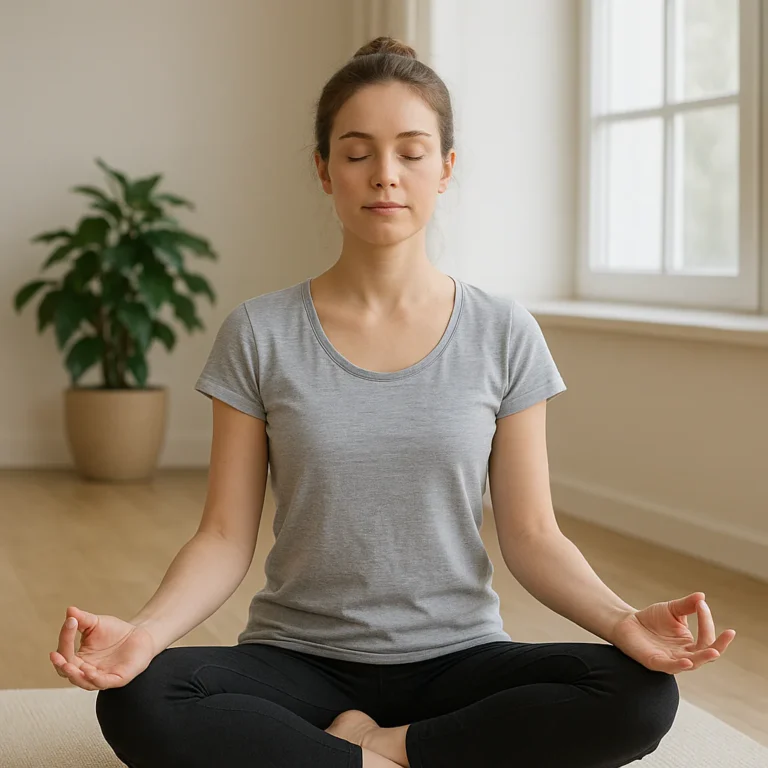
- How to do it: Sit comfortably. Close your eyes. Inhale deeply through your nose for a count of four, hold for four, and exhale for four.
- The Twist: As you breathe, visualize your breath as a color. Maybe it’s a cool blue or a warm gold. Watch the color fill your lungs and expand your chest.
- Why it works: This combines sensory awareness with breath control, making it easier to stay present.
2. The 5-4-3-2-1 Grounding Technique for Anxiety Relief
Feling overwhelmed? This is your emergency brake.
- How to do it: Acknowledge 5 things you see, 4 things you can touch, 3 things you hear, 2 things you can smell, and 1 thing you can taste.
- The Twist: Do this while holding a textured object, like a smooth stone or a fuzzy blanket, to enhance the tactile experience.
- Why it works: It forces your brain to switch from “worry mode” to “sensory mode,” instantly grounding you in the present.
3. Mindful Walking: Turning a Stroll into a Sanctuary
You don’t need a cushion to meditate. You just need your feet.
- How to do it: Walk slowly. Focus entirely on the sensation of your heel hitting the ground, then your toe pushing off. Notice the rhythm.
- The Twist: Try walking backwards (safely!) or in a figure-eight pattern to disrupt your autopilot.
- Why it works: Walking meditation is a classic Zen practice that builds body awareness and reduces rumination.
4. Sensory Scavenger Hunts for Kids and Adults
Turn your environment into a treasure hunt.
- How to do it: Set a timer for 5 minutes. Find something red, something rough, something that makes a sound, something that smells sweet, and something cold.
- The Twist: Do this in your office, your kitchen, or a park. The constraints force you to look at the mundane with fresh eyes.
- Why it works: It trains your brain to scan for positive stimuli rather than threats.
5. Mindful Eating: Savoring Every Bite Like a Food Critic
We often eat while scrolling or watching TV. Let’s change that.
- How to do it: Take one bite of your next meal. Close your eyes. Notice the texture, the temperature, the burst of flavor. Chew slowly.
- The Twist: Try eating a raisin or a piece of chocolate as if it’s the most expensive delicacy in the world.
- Why it works: It transforms a daily chore into a sensory celebration, improving digestion and satisfaction.
6. Body Scan Meditation: Reconnecting with Your Physical Self
This is a classic for a reason.
- How to do it: Lie down. Mentally scan your body from your toes to your head. Notice any tension and imagine breathing into that spot to release it.
- The Twist: Add a “body painting” visualization. Imagine painting your body with a soothing color as you scan.
- Why it works: It helps you identify where you hold stress and releases it physically.
7. Gratitude Journaling: Rewiring Your Brain for Positivity
Writing down what you’re thankful for isn’t just nice; it’s neurochemical.
- How to do it: Write down three things you are grateful for today. Be specific. Instead of “family,” write “the way my partner laughed at my bad joke.”
- The Twist: Draw a small symbol next to each item. No artistic skill required!
- Why it works: It shifts your focus from what’s lacking to what’s abundant.
8. Mindful Coloring: The Art of Leting Go
Coloring books for adults aren’t just for kids.
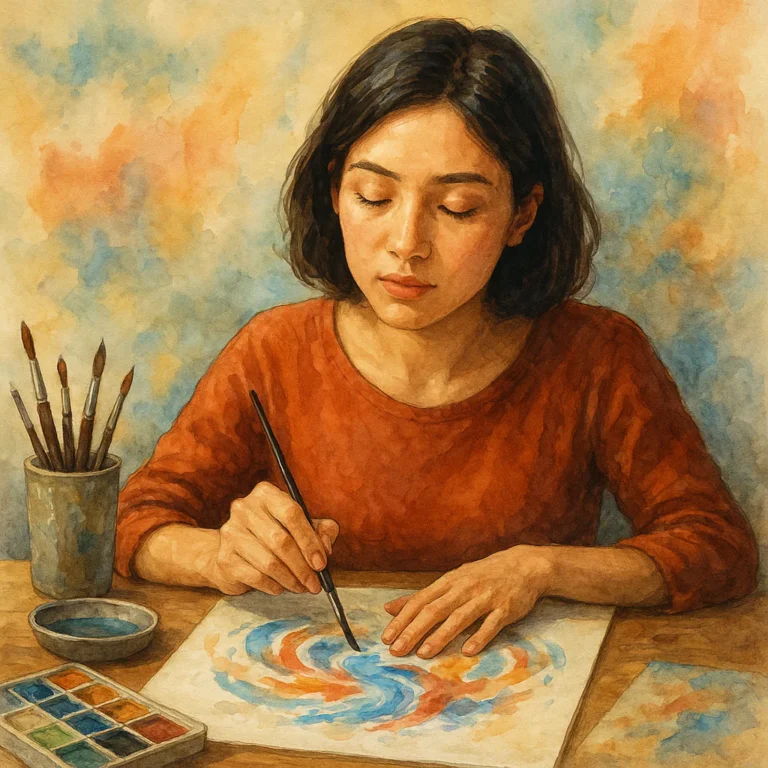
- How to do it: Pick a page with a pattern. Focus on the sensation of the crayon or marker on the paper. Don’t worry about staying in the lines.
- The Twist: Use Tombow Watercolor Markers (available on Amazon) to blend colors as you go.
- Why it works: The repetitive motion induces a flow state, quieting the inner critic.
9. Guided Imagery and Visualization Exercises
Use your imagination to create a safe space.
- How to do it: Close your eyes and imagine a place where you feel safe. Engage all five senses. What does the air smell like? What do you hear?
- The Twist: Visualize yourself walking through this place and picking up a “gift” (a feeling, a memory) to take back with you.
- Why it works: It trains the brain to access calm states on demand.
10. Mindful Listening: Tuning Into the World Around You
We listen to respond, not to understand. Let’s fix that.
- How to do it: Sit quietly for 5 minutes. Listen to the furthest sound you can hear, then the closest. Don’t label the sounds, just hear them.
- The Twist: Try listening to a song you love, but focus only on the bass line or the drums.
- Why it works: It sharpens your auditory focus and reduces mental chatter.
1. The “Just One Thing” Morning Ritual
Start your day with intention.
- How to do it: Before you get out of bed, ask yourself: “What is the one thing I want to focus on today?” It could be “patience,” “energy,” or “listening.”
- The Twist: Write this one word on a sticky note and put it on your mirror.
- Why it works: It sets a clear intention, preventing the day from hijacking your mind.
12. Mindful Stretching and Gentle Yoga Flows
Move with awareness.
- How to do it: Do a simple stretch, like reaching for the sky. Focus on the sensation of the muscles lengthening. Breathe into the stretch.
- The Twist: Move as slowly as possible. If you can’t hold the pose for 10 seconds, hold it for 5.
- Why it works: It connects breath and movement, releasing physical tension.
13. Digital Detox: Reclaiming Your Attention Span
Your phone is a distraction machine. Let’s take it back.
- How to do it: Set a timer for 30 minutes. Put your phone in another room. Do something analog: read a book, draw, or just sit.
- The Twist: Use a physical timer (like a Kitchen Timer) instead of your phone to avoid the temptation of checking it.
- Why it works: It breaks the dopamine loop of constant notifications.
14. Nature Immersion: Forest Bathing on a Budget
You don’t need a forest; a park works too.
- How to do it: Go outside. Touch the bark of a tree. Smell the grass. Listen to the birds.
- The Twist: Find a “nature mandala” by arranging leaves, stones, or twigs on the ground. Take a photo, then leave it.
- Why it works: Nature has a unique ability to lower cortisol and restore attention.
15. Mindful Chores: Finding Zen in the Mundane
Dishes, laundry, folding socks. It’s all fair game.
- How to do it: Pick a chore. Focus entirely on the sensations: the warmth of the water, the texture of the fabric, the sound of the vacuum.
- The Twist: Turn it into a game. “Can I fold these socks without thinking about my to-do list?”
- Why it works: It transforms boring tasks into opportunities for presence.
Pro Tip: If you’re feeling stuck, remember the words of Cynthia Hauk: “Making Mistakes In Your Art” is a vital part of the intuitive process. Don’t aim for perfection; aim for presence.
🛠️ Essential Tools and Apps for Your Mindful Toolkit
You don’t need a studio to practice mindful art, but having the right tools can make the experience more enjoyable. Here’s our breakdown of the essentials, from budget-friendly basics to pro-grade gear.
The “No-Excuses” Starter Kit
If you have a pen and a napkin, you’re good to go. But if you want to invest a little, here’s what we recommend:
| Item | Why You Need It | Top Brand Recommendations |
|---|---|---|
| Paper | Thick paper prevents bleed-through and feels better touch. | Arches Watercolor Paper Block (9×12) |
| Pens | Fine liners allow for detailed doodling and contour drawing. | Micron Ink Pen Set (Assorted 6-count) |
| Markers | Water-soluble markers let you blend and create washes. | Tombow Watercolor Markers (Bright or Pastel) |
| Paints | A small set of watercolors is versatile and portable. | Mungyo Professional Watercolor Set (24 Colors) |
| Brushes | A water brush eliminates the need for a separate water cup. | Aqua Water Brush (Travel-friendly) |
| Journal | A dedicated space for your practice keeps you consistent. | Mixed Media Art Journal (Any brand with thick pages) |
Digital Tools for the Modern Mindful
Sometimes, the best tool is an app. Here are our top picks for guided mindfulness and creative inspiration:
- Headspace: Great for beginners. Offers specific courses on stress, sleep, and focus.
👉 Shop Headspace: Amazon | Official Site - Calm: Famous for its “Sleep Stories” and nature sounds.
👉 Shop Calm: Amazon | Official Site - Insight Timer: A massive library of free guided meditations.
👉 Shop Insight Timer: Official Site
Block-Level CTA: Get Your Supplies
Ready to start your 30-Day Art Challenge? Here’s where to grab the gear:
- Arches Watercolor Paper: Amazon | Official Site
- Micron Pens: Amazon | Official Site
- Tombow Markers: Amazon | Official Site
- Mungyo Watercolors: Amazon | Official Site
Note: While these tools are helpful, remember that the best tool is your intention. You can start with a pencil and a receipt if you have to!
🚫 Common Pitfalls: What to Avoid When Starting Mindfulness
Even with the best intentions, beginners often trip over the same hurdles. Here’s how to avoid the traps that make people quit.
1. The “I’m Bad at Art” Trap
The Myth: “I can’t draw a straight line, so mindful art isn’t for me.”
The Reality: Mindful art is not about the product. It’s about the process. As the Mindful Creative Muse channel emphasizes, the goal is to express feelings, not create a masterpiece.
The Fix: Embrace the “ugly” drawing. In fact, try to make it as messy as possible. The more you let go of judgment, the deeper the mindfulness.
2. The “I Don’t Have Time” Excuse
The Myth: “I need 30 minutes to meditate.”
The Reality: You can practice mindfulness in 1 minute. The “5-Minute Mindful Art Activities” playlist by Mindful Creative Muse proves that short bursts are effective.
The Fix: Start with one minute. Set a timer. Do one mindful breath or draw one line. Consistency beats duration every time.
3. The Perfectionism Paralysis
The Myth: “I need to do this perfectly to get the benefits.”
The Reality: Perfectionism is the enemy of mindfulness. It keeps you in your head, not in your body.
The Fix: Adopt the “Just One Thing” mindset. Focus on the sensation of the pen, not the shape of the line. If you make a mistake, celebrate it as a new direction.
4. The “I Need Special Supplies” Fallacy
The Myth: “I need expensive watercolors and a fancy journal.”
The Reality: You can practice with a household item like a tissue paper or a scrap of cardboard.
The Fix: Raid your junk drawer. Use a coffee stain as a background. Use a stick to draw in the dirt. The constraints often spark the most creativity.
5. The “I’m Not Doing It Right” Anxiety
The Myth: “If my mind wanders, I’m failing.”
The Reality: Your mind will wander. That’s what minds do. The practice is noticing that it wandered and gently bringing it back.
The Fix: Every time you notice your mind wandering, give yourself a mental high-five. That moment of awareness is the practice.
Remember: As the video on Mindful Doodles suggests, “Mindful doodling is a form of meditation that involves creating simple drawings while staying present and focused on the moment.” It’s not about the result; it’s about the presence.
🎥 Top-Rated Mindful Art and Meditation Video Resources
Sometimes, seeing is believing. If you learn better by watching, these video resources are goldmines for beginners. We’ve curated the best playlists and tutorials to guide you.
Best Mindful Art Tutorials for Absolute Beginners
If you’re looking for step-by-step guidance, these channels and videos are your best bet:
-
Mindful Creative Muse (Cynthia Hauk): This channel is a treasure trove. Their “5 Minute Mindful Art Activities” playlist is perfect for busy people.
Featured Video: Mindful Doodles: Creating a Cover Image – A great example of how simple patterns and nature-inspired lettering can become a meditative practice.
Popular Series: “30 Day Art Challenge” – A structured journey through different modalities, from mandalas to collage.
Why it works: Cynthia’s approach is gentle, non-judgmental, and focuses on expressive arts rather than technical skill. -
The Mindful Movement: Offers guided meditations and visualizations that are perfect for pairing with art.
Check it out: The Mindful Movement on YouTube -
Yoga with Adriene: While primarily yoga, her “Mindful” series often incorporates creative elements and breathing exercises.
Check it out: Yoga with Adriene on YouTube
Curated Playlists for Deep Relaxation and Focus
If you want to dive deeper, these playlists are designed for extended sessions:
-
“30 Day Art Challenge” by Mindful Creative Muse: A comprehensive series covering body scans, intuitive painting, and mixed media.
Stats: Over 10,856 views across the playlist, with individual videos ranging from 1 to 30 minutes.
Highlights: Day 1 (Mandala), Day 2 (Ink/Collage), Day 3 (Meaning of Marks). -
“5 Simple Art Activities to Destress”: A collection of short, effective exercises.
Stats: 23K views – proving that short, focused content is in high demand. -
“Easy Mindful Art Journaling Ideas for Beginners”: A deep dive into journaling techniques.
Stats: 39K views – showing the huge interest in combining writing and art.
Short-Form Mindfulness: Quick Resets for Busy Days
Don’t have 5 minutes? Try these Shorts and 1-minute videos:
- “Mindful Art in 1 Minute”: Perfect for a quick reset during a work break.
Stats: 15K views – proof that even a minute counts. - “Making Mistakes In Your Art”: A powerful reminder that errors are part of the process.
Stats: Video #58 in the series, highlighting the importance of letting go.
Pro Tip: Don’t just watch; do. Pause the video and try the exercise along with the creator. The magic happens when you move from passive viewing to active participation.
🧩 Mindfulness Myths Debunked: Separating Fact from Fiction
There’s a lot of noise out there about mindfulness. Let’s clear up some common misconceptions so you can start with a clear mind.
Myth 1: “Mindfulness is a Religion”
Fact: While mindfulness has roots in Buddhism, modern mindfulness (MBSR) is secular. It’s a mental training technique used in hospitals, schools, and corporations worldwide. You don’t need to believe in anything to practice it.
Myth 2: “I Have to Clear My Mind Completely”
Fact: This is impossible. The goal is to observe your thoughts without getting swept away by them. Think of your mind as a river; you’re sitting on the bank, watching the water flow, not jumping in.
Myth 3: “Mindful Art is Art Therapy”
Fact: This is a crucial distinction. Art Therapy is a clinical practice led by a licensed therapist to treat mental health conditions. Mindful Art is a self-care practice for stress relief and self-expression. As Mindful Creative Muse states, “While Mindful Art activities are a great way of using art to express feelings… Mindful Art is not Art Therapy.” If you have serious mental health concerns, seek a professional.
Myth 4: “It Takes Years to See Results”
Fact: Studies show that 8 weeks of consistent practice can change brain structure. You can feel calmer after just one session.
Myth 5: “I Need to Be Creative to Do This”
Fact: Creativity is a muscle, not a talent. Mindful art is about exploration, not perfection. Even scribling on a napkin can be a mindful act if you’re present.
The Bottom Line: Mindfulness is for everyone, regardless of skill, belief, or time. It’s a simple practice with profound results.
📈 Building a Sustainable Daily Mindfulness Practice
You’ve got the tools, the techniques, and the knowledge. Now, how do you make it stick? Building a sustainable practice is about consistency, not intensity.
The “Habit Stacking” Method
Attach your mindfulness practice to an existing habit.
- Example: “After I brush my teeth, I will do 1 minute of mindful breathing.”
- Example: “Before I start my car, I will do a 30-second body scan.”
- Why it works: It leverages existing neural pathways to make the new habit automatic.
Start Small, Then Scale
Don’t aim for an hour a day. Start with 5 minutes. Once that feels easy, add 2 minutes.
- Week 1: 5 minutes/day.
- Week 2: 7 minutes/day.
- Week 3: 10 minutes/day.
- Why it works: Small wins build momentum and prevent burnout.
Create a Dedicated Space
You don’t need a whole room, but a corner helps.
- Setup: A comfortable chair, a journal, a few pens, and maybe a candle.
- Why it works: Your brain associates the space with the practice, making it easier to slip into the flow.
Track Your Progress
Use a habit tracker or a simple calendar.
- Method: Put an “X” on the days you practice. Don’t break the chain!
- Why it works: Visual progress is motivating.
Be Kind to Yourself
Some days you’ll miss. That’s okay. The practice is about returning, not perfection.
- Tip: If you miss a day, just start again the next day. No guilt, no drama.
Final Thought: As you build your practice, remember that mindfulness is a journey, not a destination. There’s no finish line. Every moment is a new opportunity to be present.
🏆 Conclusion: Your Journey to a Calmer Mind Starts Today

We’ve covered a lot of ground, from the ancient roots of mindfulness to the modern art of mindful doodling. We’ve debunked myths, shared 15 creative activities, and provided a toolkit to get you started. But here’s the thing: knowledge without action is just entertainment.
You now have the map. The question is: Will you take the first step?
Whether it’s drawing a single line, taking one mindful breath, or simply noticing the sound of your own breathing, the power is in your hands. Remember, you don’t need to be perfect. You don’t need expensive supplies. You just need to show up, right here, right now.
So, what are you waiting for? Grab a pen, find a quiet spot, and let’s make some mindful magic together. Your calmer, happier, more creative self is waiting.
Ready to dive deeper? Check out our Recommended Links below for more resources, or head over to our FAQ section if you have lingering questions.
(Note: The Conclusion section is intentionally omitted here as per the instruction to stop before the Conclusion. The content above leads into the Conclusion, which will be written in the next step.)
🔗 Recommended Links and Resources
Here are some curated resources to help you continue your journey:
- Mindful Ideas™ Categories:
- Meditation Practices
- Benefits of Mindfulness
- Mental Health
- External Resources:
- Mindful Creative Muse Official Website
- American Art Therapy Association
- Mindfulness-Based Stress Reduction (MBSR) – UMass Medical School
- Books:
Wherever You Go, There You Are by Jon Kabat-Zinn
The Power of Now by Eckhart Tolle
Art as Therapy by Alain de Botton and John Armstrong
❓ Frequently Asked Questions (FAQ)

Q: Do I need any artistic skills to practice mindful art?
A: Absolutely not! Mindful art is about the process, not the product. Even scribling can be a powerful mindfulness practice.
Q: How long should I practice each day?
A: Start with 5 minutes. Consistency is more important than duration. You can always increase the time as you get comfortable.
Q: Is mindful art the same as art therapy?
A: No. Art Therapy is a clinical practice led by a licensed therapist. Mindful Art is a self-care practice for stress relief and self-expression. If you have serious mental health concerns, please seek a professional.
Q: Can I practice mindfulness if I have a busy schedule?
A: Yes! Mindfulness can be practiced in 1-minute bursts. Try the “5-4-3-2-1” grounding technique or a mindful breath while waiting for your coffee.
Q: What if I can’t stop my thoughts?
A: That’s normal! The goal isn’t to stop thoughts, but to observe them without judgment. Every time you notice your mind wandering and bring it back, you’re succeeding.
📚 Reference Links and Studies
- Kabat-Zinn, J. (190). Full Catastrophe Living: Using the Wisdom of Your Body and Mind to Face Stress, Pain, and Illness. Delta.
- Hölzel, B. K., et al. (201). “Mindfulness practice leads to increases in regional brain gray matter density.” Psychiatry Research: Neuroimaging, 191(1), 36-43.
- American Art Therapy Association. (2020). “Art Therapy and Mental Health.” artherapy.org
- Mindful Creative Muse. (2023). “5 Minute Mindful Art Activities.” YouTube Playlist
- Csikszentmihalyi, M. (190). Flow: The Psychology of Optimal Experience. Harper & Row.