Support our educational content for free when you purchase through links on our site. Learn more

What Is Calming Techniques Mindfulness? 10 Powerful Ways to Find Calm in 2025 🌿


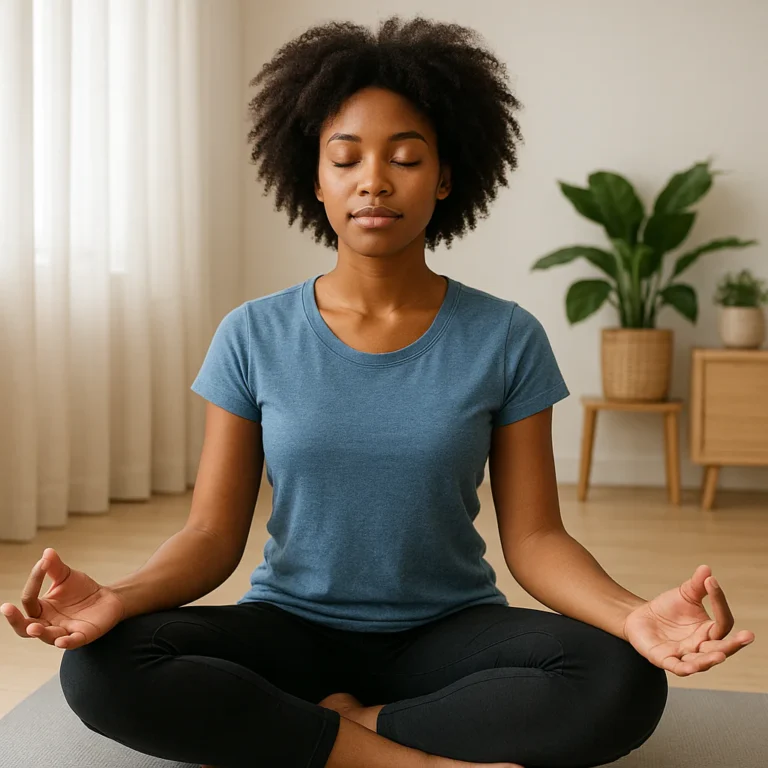
Imagine this: You’re sitting at your desk, heart racing, mind swirling with a thousand worries, and then — with just a few simple breaths — the chaos begins to fade. Sounds like magic, right? Well, it’s not magic; it’s the power of calming techniques in mindfulness. In this article, we unravel the mystery behind these life-changing practices, exploring 10 effective calming techniques that anyone can use to reduce stress, improve focus, and boost overall well-being.
From ancient roots to cutting-edge science, we’ll guide you through how mindfulness calms your brain and body, share expert tips from our Mindful Ideas™ coaches, and even introduce you to the best apps and tools to make your practice effortless. Ready to discover how just a few minutes a day can transform your mental landscape? Let’s dive in!
Key Takeaways
- Calming techniques in mindfulness are simple, intentional practices that reduce stress by anchoring your attention to the present moment.
- The top 10 techniques include deep breathing, body scans, progressive muscle relaxation, guided imagery, and mindful walking — all easy to learn and practice.
- Mindfulness activates the parasympathetic nervous system, lowers stress hormones, and physically changes your brain to improve emotional regulation.
- Consistency and small daily doses are more effective than occasional long sessions — even 5 minutes daily can make a big difference.
- Apps like Headspace, Calm, and Insight Timer provide guided support to help you stay on track.
- Mindfulness can be tailored for all ages, from playful breathing games for kids to gentle yoga for seniors.
Ready to start your calming journey? Explore these top mindfulness apps and tools to find your perfect fit:
- Headspace: Amazon | Google Play | Official Site
- Calm: Amazon | Google Play | Official Site
- Insight Timer: Amazon | Google Play | Official Site
Table of Contents
- ⚡️ Quick Tips and Facts About Calming Techniques and Mindfulness
- 🧘♂️ Mindfulness and Calming Techniques: Origins and Evolution
- 1. What Are Calming Techniques in Mindfulness?
- 2. Top 10 Mindfulness Calming Techniques You Can Try Today
- 3. How Mindfulness Calming Techniques Impact Your Brain and Body
- 4. The Science Behind Mindfulness and Stress Reduction
- 5. Incorporating Calming Mindfulness Practices into Daily Life
- 6. Mindfulness Apps and Tools to Enhance Your Calming Routine
- 7. Mindfulness for Different Age Groups: Tailoring Calming Techniques
- 8. Common Challenges and How to Overcome Them in Mindfulness Practice
- 9. Expert Tips from Mindfulness Coaches on Perfecting Calming Techniques
- 10. Real-Life Stories: How Mindfulness Calming Techniques Changed Lives
- Conclusion: Your Path to Calm and Mindful Living
- Recommended Links for Further Exploration
- FAQ: Your Burning Questions About Calming Techniques and Mindfulness Answered
- Reference Links: Trusted Sources and Research on Mindfulness and Calming Techniques
⚡️ Quick Tips and Facts About Calming Techniques and Mindfulness
Welcome to the wonderful world of calming techniques in mindfulness! If you’re new here, think of mindfulness as your mental Swiss Army knife — versatile, handy, and surprisingly effective at slicing through stress. Here are some quick nuggets to get you started:
- Calming techniques are simple practices that help you slow down your mind and body, reducing stress and improving focus.
- Mindfulness is about being present, non-judgmentally, which helps you notice stress triggers before they snowball.
- Studies show mindfulness can lower blood pressure, improve sleep, and reduce anxiety (source: Mayo Clinic).
- You don’t need fancy equipment or hours of time — even 5 minutes of mindful breathing can make a difference.
- Common calming techniques include deep breathing, progressive muscle relaxation, guided imagery, and body scans.
- Apps like Headspace, Calm, and Insight Timer offer guided mindfulness sessions to keep you on track.
- Consistency is key! The more you practice, the more natural calm becomes.
For a deep dive, check out our related article on 32 Mindfulness Exercises for Beginners to Transform Your Life in 2025 ✨.
🧘♂️ Mindfulness and Calming Techniques: Origins and Evolution
Before we jump into the how-to’s, let’s take a quick stroll down memory lane. Mindfulness and calming techniques have roots that stretch back thousands of years, blending ancient wisdom with modern science.
The Roots of Mindfulness
- Buddhist traditions introduced mindfulness as a path to enlightenment, focusing on awareness and acceptance of the present moment.
- Western psychology embraced mindfulness in the late 20th century, thanks to pioneers like Jon Kabat-Zinn, who developed Mindfulness-Based Stress Reduction (MBSR).
- Today, mindfulness is a global phenomenon, practiced in clinics, schools, workplaces, and homes.
Evolution of Calming Techniques
- Techniques like progressive muscle relaxation were developed in the 1920s by Edmund Jacobson to help people identify and release tension.
- Guided imagery and autogenic training emerged mid-century as ways to harness the mind’s power to relax the body.
- The rise of digital technology has made mindfulness more accessible than ever, with apps and online courses bringing calming techniques to your fingertips.
Understanding this rich background helps us appreciate how these practices have stood the test of time — and why they work so well for us today.
1. What Are Calming Techniques in Mindfulness?
Let’s get down to brass tacks: What exactly are calming techniques in mindfulness?
Simply put, they are intentional practices designed to reduce stress and bring your attention to the present moment, calming your nervous system and quieting mental chatter.
Key Characteristics:
- Focus on breath, body, or senses to anchor attention.
- Non-judgmental awareness — noticing thoughts and feelings without getting caught up in them.
- Physical relaxation through muscle release or gentle movement.
- Mental imagery to evoke peacefulness.
Examples Include:
- Deep breathing exercises
- Body scan meditation
- Progressive muscle relaxation
- Guided imagery
- Mindful walking
These techniques are like mental reset buttons — when stress piles up, they help you hit pause and regain control.
2. Top 10 Mindfulness Calming Techniques You Can Try Today
Ready to try some calming techniques? Here’s our curated list of the top 10 mindfulness calming techniques, ranked by ease of use, effectiveness, and accessibility:
| # | Technique | Description | Best For | Time Needed |
|---|---|---|---|---|
| 1 | Deep Breathing | Slow, deep breaths to calm the nervous system | Beginners, anytime stress hits | 2-5 mins |
| 2 | Body Scan Meditation | Focused attention on sensations in each body part | Enhancing body awareness | 10-20 mins |
| 3 | Progressive Muscle Relaxation | Tense and release muscle groups sequentially | Muscle tension, sleep aid | 15-30 mins |
| 4 | Guided Imagery | Visualizing peaceful scenes | Anxiety, mental escape | 10-15 mins |
| 5 | Mindful Walking | Slow, deliberate walking with sensory focus | Active mindfulness | 10-20 mins |
| 6 | Loving-Kindness Meditation | Cultivating compassion for self and others | Emotional balance | 10-15 mins |
| 7 | 5-4-3-2-1 Grounding Technique | Using senses to ground in the present moment | Panic attacks, overwhelm | 1-3 mins |
| 8 | Autogenic Relaxation | Self-suggestions to induce relaxation | Deep relaxation, sleep | 15-20 mins |
| 9 | Yoga Nidra | Guided body awareness and relaxation practice | Deep rest, stress relief | 20-40 mins |
| 10 | Mindful Journaling | Writing thoughts and feelings with awareness | Emotional processing | 10-15 mins |
Quick How-To for Deep Breathing (Our Favorite Starter!)
- Sit or lie down comfortably.
- Close your eyes and breathe in slowly through your nose for 4 seconds.
- Hold your breath for 4 seconds.
- Exhale slowly through your mouth for 6 seconds.
- Repeat for 5 cycles or until you feel calmer.
This simple technique is a go-to for immediate stress relief and can be done anywhere — at work, in traffic, or before a big meeting.
3. How Mindfulness Calming Techniques Impact Your Brain and Body
Ever wonder what’s actually happening inside your brain when you practice calming mindfulness techniques? Spoiler: it’s pretty amazing!
Brain Benefits
- Activates the parasympathetic nervous system, which slows heart rate and promotes relaxation (Harvard Health).
- Reduces activity in the amygdala, the brain’s fear and stress center.
- Increases gray matter density in areas linked to emotional regulation and attention.
- Improves connectivity between brain regions responsible for self-awareness and executive function.
Body Benefits
- Lowers blood pressure and heart rate, reducing cardiovascular strain.
- Decreases muscle tension and chronic pain through relaxation.
- Enhances digestion and immune function by reducing stress hormones.
- Improves sleep quality, helping you feel more rested and alert.
Our Mindful Ideas™ coaches have seen firsthand how clients report feeling “lighter” and more grounded after just a few weeks of consistent practice. It’s like giving your brain a spa day — daily!
4. The Science Behind Mindfulness and Stress Reduction
Science isn’t just backing mindfulness — it’s practically throwing a party for it. Here’s what the research says:
- Mayo Clinic highlights that mindfulness meditation helps reduce symptoms of anxiety, depression, and chronic pain (source).
- Clinical trials show mindfulness can lower cortisol levels, the body’s primary stress hormone.
- Mindfulness practice improves emotional regulation, helping you respond to stressors with calm rather than reaction.
- A meta-analysis in JAMA Internal Medicine found mindfulness meditation programs can improve anxiety, depression, and pain with moderate evidence.
- Regular practice is linked to neuroplasticity, meaning your brain physically changes to become more resilient to stress.
The takeaway? Mindfulness isn’t just feel-good fluff — it’s a powerful, evidence-based tool to help you thrive.
5. Incorporating Calming Mindfulness Practices into Daily Life
Okay, you’re sold on mindfulness calming techniques — but how do you actually make them part of your busy day? Here’s our step-by-step guide:
Step 1: Start Small and Build
- Begin with 5 minutes daily, ideally at the same time (morning or before bed).
- Use simple techniques like deep breathing or body scans.
Step 2: Create Mindfulness Triggers
- Link mindfulness to daily habits: before your morning coffee, during your commute, or before meals.
- Use reminders like phone alarms or sticky notes.
Step 3: Use Technology to Your Advantage
- Download apps like Calm, Headspace, or Insight Timer for guided sessions.
- Join online mindfulness communities for support and motivation.
Step 4: Practice Mindful Moments
- Throughout the day, pause to notice your breath, sensations, or surroundings.
- When stress hits, try the 5-4-3-2-1 grounding technique to regain calm.
Step 5: Reflect and Adjust
- Keep a journal to track what techniques work best and when.
- Be patient — mindfulness is a skill that grows with practice.
By weaving mindfulness into your daily routine, you’ll find calm becoming your default mode rather than a rare luxury.
6. Mindfulness Apps and Tools to Enhance Your Calming Routine
Tech lovers, rejoice! There’s a treasure trove of apps designed to make mindfulness calming techniques accessible and fun.
| App Name | Features | Best For | Platforms |
|---|---|---|---|
| Headspace | Guided meditations, sleep sounds, courses | Beginners, stress relief | iOS, Android, Web |
| Calm | Meditation, breathing exercises, sleep stories | Sleep improvement, anxiety | iOS, Android, Web |
| Insight Timer | Largest free meditation library, community features | All levels, variety seekers | iOS, Android, Web |
| Simple Habit | 5-minute sessions, expert teachers | Busy people, quick stress relief | iOS, Android |
| Breethe | Meditation, masterclasses, mood tracking | Emotional balance, beginners | iOS, Android |
Our Coaches’ Picks
- Headspace is perfect if you want a structured, beginner-friendly approach.
- Insight Timer offers variety and community support for free — a gem for explorers.
- Calm shines with its sleep-focused content, ideal if stress messes with your nights.
Pro Tip: Combine apps with offline practice for best results!
7. Mindfulness for Different Age Groups: Tailoring Calming Techniques
Mindfulness isn’t one-size-fits-all. Different ages and life stages call for different approaches:
| Age Group | Recommended Techniques | Tips for Success |
|---|---|---|
| Children (5-12) | Simple breathing games, mindful coloring, nature walks | Keep it playful and short |
| Teens (13-19) | Guided meditations, journaling, yoga | Address anxiety and focus challenges |
| Adults (20-64) | Body scans, progressive muscle relaxation, mindful movement | Integrate into daily routine |
| Seniors (65+) | Gentle yoga, breathing exercises, loving-kindness meditation | Focus on mobility and emotional well-being |
Our Mindful Ideas™ coaches love working with families to create mindfulness habits that grow with kids and teens, making calm a lifelong companion.
8. Common Challenges and How to Overcome Them in Mindfulness Practice
Mindfulness sounds dreamy, but let’s get real — it’s not always smooth sailing. Here are some common hurdles and how to tackle them:
| Challenge | Why It Happens | Coach-Recommended Solutions |
|---|---|---|
| Restlessness or boredom | Mind wanders, impatience | Start with short sessions, use guided apps |
| Difficulty focusing | Overactive mind, distractions | Use body scan or grounding techniques |
| Feeling overwhelmed by emotions | Mindfulness can bring up tough feelings | Practice self-compassion, seek support if needed |
| Inconsistency or lack of time | Busy schedules, low priority | Schedule sessions, link to daily habits |
| Skepticism about effectiveness | Expecting instant results | Commit to 6+ weeks, track progress |
Remember, even the most seasoned practitioners face these challenges. The key is to keep showing up and adjust your practice as needed.
9. Expert Tips from Mindfulness Coaches on Perfecting Calming Techniques
From our team at Mindful Ideas™, here are some insider tips to elevate your mindfulness calming practice:
- Consistency beats duration: Even 5 minutes daily beats a 1-hour session once a week.
- Create a sacred space: Dedicate a cozy corner for practice to cue your brain for calm.
- Use your senses: Engage sight, sound, touch, and smell to deepen presence.
- Be kind to yourself: Mindfulness is about acceptance, not perfection.
- Mix techniques: Rotate between breathing, body scans, and guided imagery to keep it fresh.
- Journal your journey: Reflecting on your practice helps track growth and insights.
- Stay curious: Approach your mind like a friendly scientist, observing without judgment.
Our coaches often say mindfulness is like gardening — it takes patience, care, and regular watering to bloom beautifully.
10. Real-Life Stories: How Mindfulness Calming Techniques Changed Lives
Nothing inspires like real stories. Here are a few from our Mindful Ideas™ community:
- Sarah, 34, Marketing Executive: “I struggled with panic attacks. Deep breathing and body scans helped me regain control. Now, I use mindfulness before presentations and feel confident instead of anxious.”
- James, 57, Retired Teacher: “After a hip replacement, yoga nidra was my go-to for pain relief and better sleep. It felt like a gentle reset every night.”
- Lily, 12, Student: “Mindful coloring and breathing games helped me focus better in school and feel less overwhelmed.”
These stories remind us that mindfulness calming techniques aren’t just theory — they’re practical, life-changing tools for all ages.
Conclusion: Your Path to Calm and Mindful Living
Wow, what a journey! From understanding the roots of mindfulness to exploring a smorgasbord of calming techniques, you’re now equipped with a treasure chest of tools to help you navigate stress and cultivate calm. Remember, mindfulness isn’t a magic wand that zaps away all your worries instantly — it’s more like planting a garden that flourishes with patience, practice, and care.
The key takeaway? Start small, be consistent, and stay curious about your inner world. Whether you choose deep breathing, progressive muscle relaxation, or guided imagery, these practices will gradually rewire your brain and body to respond to stress with grace and ease.
If you ever feel stuck or overwhelmed, revisit this guide or lean on apps like Headspace or Calm to gently guide you back on track. And don’t forget — mindfulness is a lifelong companion, ready to support you through every twist and turn.
So, take a deep breath, smile, and step into your day with a little more calm and a lot more presence. Your mind and body will thank you! 🌿✨
Recommended Links for Further Exploration
Ready to dive deeper or start your mindfulness journey with some trusted tools? Check out these carefully selected resources and products:
- Headspace App: Amazon App Store | Google Play | Headspace Official Website
- Calm App: Amazon App Store | Google Play | Calm Official Website
- Insight Timer: Amazon App Store | Google Play | Insight Timer Official Website
- Books on Mindfulness:
Start exploring these resources and watch your mindfulness practice blossom! 🌸
FAQ: Your Burning Questions About Calming Techniques and Mindfulness Answered
What are some simple mindfulness exercises for beginners to reduce stress and anxiety?
Great question! Beginners often find deep breathing exercises and body scan meditations especially effective. Deep breathing helps regulate your nervous system quickly, while body scans increase awareness of physical tension, allowing you to release it consciously. Starting with just 5 minutes a day can build a strong foundation. Apps like Headspace offer beginner-friendly guided sessions that make it easy to get started.
How can I incorporate mindfulness into my daily routine to improve my mental well-being?
The secret is to anchor mindfulness to existing habits. For example, practice mindful breathing before your morning coffee or during your commute. Use reminders like phone alarms or sticky notes to prompt you. Even brief moments of mindful awareness—like noticing the taste of your food or the sensation of walking—can accumulate into significant mental health benefits. Consistency is more important than duration, so start small and build gradually.
What are the benefits of practicing mindfulness meditation for my overall health and happiness?
Mindfulness meditation has a host of scientifically backed benefits, including:
- Reduced stress and anxiety by lowering cortisol levels.
- Improved emotional regulation, helping you respond calmly to challenges.
- Better sleep quality and reduced insomnia.
- Enhanced focus and cognitive function.
- Lower blood pressure and improved cardiovascular health.
These benefits contribute to a greater sense of well-being and happiness over time. For detailed research, check out the Mayo Clinic’s overview.
Can mindfulness techniques be used to help manage emotions and improve relationships with others?
Absolutely! Mindfulness fosters greater self-awareness and empathy, which are foundational for healthy relationships. Practices like loving-kindness meditation cultivate compassion for yourself and others, reducing reactive behaviors and promoting patience. By learning to observe your emotions without judgment, you can respond more thoughtfully rather than impulsively, leading to improved communication and connection.
How do I know which calming technique is right for me?
There’s no one-size-fits-all answer here. The best approach is to experiment with different techniques—deep breathing, progressive muscle relaxation, guided imagery, yoga, etc.—and notice which resonate with you. Some people prefer active practices like mindful walking or yoga, while others find seated meditation more effective. If you’re unsure, apps like Calm offer a variety of options to explore.
Can mindfulness help with chronic pain or physical health conditions?
Yes! Research shows mindfulness can reduce the perception of pain and improve coping strategies for chronic conditions like fibromyalgia, arthritis, and hypertension. Techniques such as body scan meditation and yoga nidra help increase body awareness and relaxation, which can alleviate muscle tension and discomfort. Always consult your healthcare provider before starting new practices, especially if you have health concerns.
Reference Links: Trusted Sources and Research on Mindfulness and Calming Techniques
- Mayo Clinic: Mindfulness Exercises
- Mayo Clinic: Relaxation Techniques to Reduce Stress
- Harvard Health Publishing: Six Relaxation Techniques to Reduce Stress
- Headspace Official Website
- Calm Official Website
- Insight Timer Official Website
These sources provide a wealth of evidence-based information to support your mindfulness journey. Happy practicing! 🌟