Support our educational content for free when you purchase through links on our site. Learn more

13 Surprising Benefits of Mindfulness Meditation You Need in 2025 🧘♂️


Imagine sitting quietly for just 10 minutes a day and unlocking a treasure trove of mental clarity, emotional balance, and even physical health improvements. Sounds like a magic trick, right? But that’s exactly what mindfulness meditation offers—a scientifically backed, ancient practice that’s transforming lives worldwide. From reducing stress and boosting focus to enhancing creativity and strengthening your immune system, the benefits go far beyond just “feeling calm.”
In this article, we’ll unravel the 13 powerful benefits of mindfulness meditation, share practical tips to get started, and guide you through overcoming common hurdles. Whether you’re a curious beginner or looking to deepen your practice, you’ll discover how mindfulness can become your secret weapon for thriving in today’s fast-paced world. Ready to surf the waves of your mind with ease? Let’s dive in!
Key Takeaways
- Mindfulness meditation cultivates present-moment awareness, reducing stress and anxiety by calming the nervous system.
- It improves sleep quality, emotional regulation, and cognitive focus, backed by robust neuroscientific research.
- Regular practice boosts immune function, pain management, and resilience, enhancing overall wellbeing.
- Mindfulness can be easily integrated into daily life through simple techniques like mindful eating, walking, and breathing.
- Top apps such as Headspace, Calm, and Insight Timer offer excellent guided meditations for beginners and pros alike.
- Mindfulness is adaptable for all ages and settings, including schools, workplaces, and senior communities.
👉 CHECK PRICE on:
- Headspace: Amazon | Headspace Official
- Calm: Amazon | Calm Official
- Insight Timer: Amazon | Insight Timer Official
Table of Contents
- ⚡️ Quick Tips and Facts
- 🧘♀️ The Ancient Roots of Modern Mindfulness: A Journey Through History
- 🤔 What Exactly IS Mindfulness Meditation? Demystifying the Buzzword
- 💡 Mindfulness vs. Meditation: Are They the Same?
- 🧠 The Science Behind the Stillness: How Mindfulness Rewires Your Brain
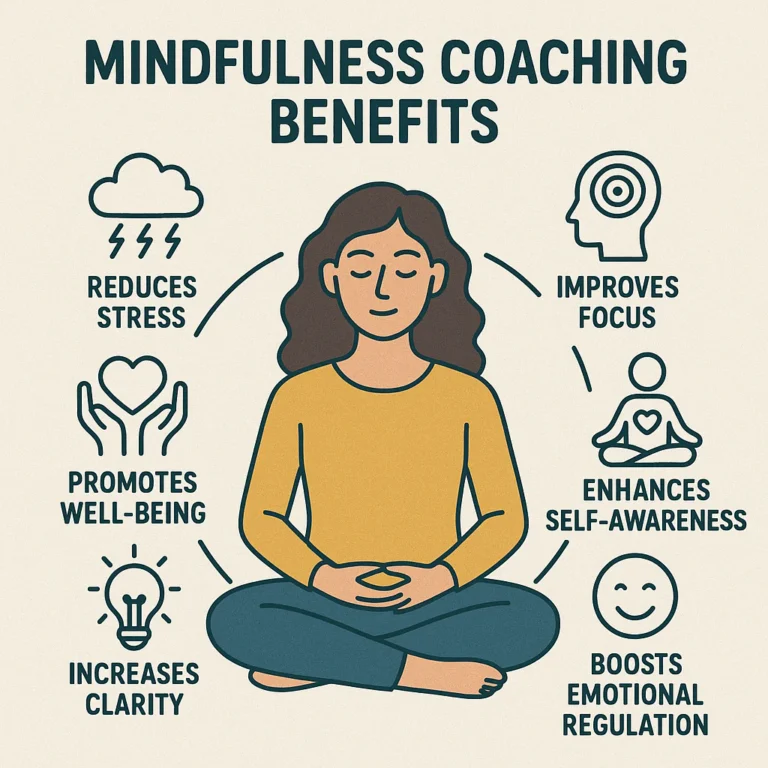
- 🌟 The Transformative Powerhouse: Unpacking the Myriad Benefits of Mindfulness Meditation
- 😌 Stress Reduction & Anxiety Relief: Finding Your Inner Calm
- 😴 Improved Sleep Quality: Drifting into Deeper Rest
- 💪 Enhanced Emotional Regulation: Mastering Your Moods
- 🎯 Boosted Focus & Attention: Sharpening Your Mental Edge
- 💖 Cultivating Compassion & Empathy: Connecting with Others
- 📈 Increased Self-Awareness & Insight: Knowing Thyself Better
- 🛡️ Strengthening Immune Function: A Mind-Body Shield
- 📉 Pain Management: Shifting Your Relationship with Discomfort
- 🍎 Healthier Lifestyle Choices: Mindful Eating & Movement
- 🚀 Boosting Resilience & Adaptability: Bouncing Back Stronger
- 🎨 Fostering Creativity & Problem-Solving: Unlocking New Perspectives
- 🗣️ Improving Communication & Relationships: Speaking from the Heart
- 😊 Enhancing Overall Well-being & Life Satisfaction: The Joy of Being Present
- 🛠️ Getting Started: Essential Mindfulness Meditation Techniques for Beginners
- 🚶♀️ Beyond the Cushion: Integrating Mindfulness into Daily Life
- 📱 Top Apps & Resources for Your Mindfulness Journey
- 🚧 Common Hurdles & How to Overcome Them: Staying on Your Path
- 👨👩👧👦 Mindfulness for Specific Populations: Kids, Teens, & Seniors
- 💼 Mindfulness in the Workplace: Boosting Productivity & Reducing Burnout
- 🩺 When to Seek Professional Help: Mindfulness as a Complementary Tool
- 💖 Help Us Help Others: Share Your Mindfulness Journey!
- ✨ Conclusion: Your Path to a More Mindful Life Awaits
- 🔗 Recommended Links: Dive Deeper into Mindfulness
- ❓ FAQ: Your Burning Mindfulness Questions Answered
- 📚 Reference Links: Our Sources & Further Reading
⚡️ Quick Tips and Facts
Welcome to the wonderful world of mindfulness meditation! Before we dive deep, here are some quick, bite-sized nuggets from the Mindful Ideas™ coaching team to get you started:
- Mindfulness meditation is all about paying nonjudgmental attention to the present moment — sounds simple, but it’s a superpower for your brain! 🧠
- Practicing just 10-20 minutes daily can start to reduce stress and improve focus. (Yes, that’s less time than your average coffee break ☕️)
- It’s scientifically proven to lower blood pressure, improve sleep, and boost emotional resilience. (Harvard Health confirms this here)
- Mindfulness can be practiced formally (meditation sessions) or informally (mindful eating, walking, or even washing dishes).
- Apps like Headspace, Calm, and Insight Timer are fantastic for beginners and pros alike.
- Mindfulness is not about emptying your mind — it’s about observing your thoughts and feelings without getting tangled up in them.
- It’s a skill anyone can cultivate, regardless of age or background. We’ve coached busy parents, stressed executives, and even kids — all thriving with mindfulness!
For a deeper dive, check out our article on What are examples of mindfulness? and explore our Meditation Practices category for guided techniques.
🧘♀️ The Ancient Roots of Modern Mindfulness: A Journey Through History
Mindfulness meditation isn’t some trendy invention—it’s a practice with ancient roots stretching back over 2,500 years**. Originating in the teachings of Buddha, mindfulness was a tool for awakening and liberation from suffering. Over centuries, it evolved through various Buddhist traditions, including Theravāda and Zen.
Fast forward to the 1970s, when Jon Kabat-Zinn brought mindfulness into Western medicine with his groundbreaking Mindfulness-Based Stress Reduction (MBSR) program at the University of Massachusetts Medical School. This was a game-changer, transforming mindfulness from spiritual practice to evidence-based therapy.
Today, mindfulness is woven into schools, hospitals, workplaces, and even the military. It’s no longer just a meditation cushion thing — it’s a lifestyle tool accessible to all.
Fun fact: The word “mindfulness” is a translation of the Pali term sati, which means “to remember” or “to be aware.” So, mindfulness is basically “remembering to be present.” How cool is that?
🤔 What Exactly IS Mindfulness Meditation? Demystifying the Buzzword
If you’ve ever wondered, “Is mindfulness meditation just sitting quietly?” — you’re not alone. Let’s clear the fog.
Mindfulness meditation is a practice where you intentionally focus your attention on the present moment — your breath, bodily sensations, sounds, or even thoughts — without judging or trying to change anything. It’s like being a curious scientist observing your own mind.
Unlike zoning out or daydreaming, mindfulness is about active awareness. You notice when your mind wanders and gently bring it back to the present. This simple act builds concentration and emotional balance over time.
At Mindful Ideas™, we often say: “It’s not about stopping thoughts, but changing your relationship with them.”
💡 Mindfulness vs. Meditation: Are They the Same?
Here’s a common question: Is mindfulness the same as meditation?
The short answer: ❌ Not exactly.
Meditation is a broad category of practices designed to train attention and awareness. Mindfulness meditation is one form of meditation focused on cultivating present-moment awareness without judgment.
Think of meditation as the umbrella, and mindfulness meditation as one of the many raindrops under it. Other meditation types include transcendental meditation, loving-kindness meditation (metta), and zen meditation.
At Mindful Ideas™, we encourage exploring different meditation styles, but mindfulness meditation is often the easiest to start with because it’s practical and adaptable to daily life.
🧠 The Science Behind the Stillness: How Mindfulness Rewires Your Brain
Science geeks, rejoice! Mindfulness meditation isn’t just feel-good fluff — it’s backed by a mountain of research.
Neuroscientific studies show that regular mindfulness practice changes brain structure and function:
| Brain Area | Effect of Mindfulness Meditation |
|---|---|
| Prefrontal Cortex | Increased thickness → better decision-making & focus |
| Amygdala | Reduced activity → less emotional reactivity & stress |
| Hippocampus | Increased volume → improved memory & learning |
| Default Mode Network | Decreased activity → less mind-wandering & rumination |
A famous 2011 study in Psychiatry Research found that an 8-week MBSR program increased gray matter density in areas linked to learning and emotional regulation. (Source: Harvard Gazette)
Our coaches have witnessed clients report heightened clarity, calmer emotional responses, and better stress management after just a few weeks of consistent practice.
🌟 The Transformative Powerhouse: Unpacking the Myriad Benefits of Mindfulness Meditation
Ready for the juicy part? Let’s unpack the 13 life-changing benefits of mindfulness meditation, backed by science and our own coaching experience.
1. 😌 Stress Reduction & Anxiety Relief: Finding Your Inner Calm
Mindfulness is like a mental spa day. It activates the parasympathetic nervous system, lowering cortisol (the stress hormone). Studies show it reduces symptoms of anxiety disorders and helps manage chronic stress.
Our client Sarah, a busy marketing exec, shared:
“After 10 minutes of daily mindfulness, I noticed my racing thoughts slowed, and I felt less overwhelmed during meetings.”
2. 😴 Improved Sleep Quality: Drifting into Deeper Rest
Trouble sleeping? Mindfulness helps by calming the mind and body before bed. Research published in JAMA Internal Medicine found mindfulness meditation improved sleep quality and reduced insomnia symptoms.
Try a guided body scan meditation before bedtime to relax every muscle and ease into sleep.
3. 💪 Enhanced Emotional Regulation: Mastering Your Moods
Mindfulness trains you to observe emotions without reacting impulsively. This skill helps reduce mood swings and manage anger.
Our coach Mike says, “It’s like having a pause button for your emotions.”
4. 🎯 Boosted Focus & Attention: Sharpening Your Mental Edge
Regular mindfulness practice improves sustained attention and reduces distractibility. This is a boon for students, professionals, and anyone juggling multiple tasks.
A study from the University of California showed that mindfulness training improved GRE reading-comprehension scores by 16%. (Source)
5. 💖 Cultivating Compassion & Empathy: Connecting with Others
Mindfulness opens your heart. Loving-kindness meditation, a mindfulness variant, boosts feelings of compassion toward self and others.
Our community workshops often include metta practices that leave participants feeling more connected and less isolated.
6. 📈 Increased Self-Awareness & Insight: Knowing Thyself Better
Mindfulness helps you notice habitual patterns of thought and behavior, empowering change.
One client noted, “I realized how often I was caught in negative self-talk — mindfulness helped me catch and shift those thoughts.”
7. 🛡️ Strengthening Immune Function: A Mind-Body Shield
Studies suggest mindfulness can enhance immune response, possibly by reducing stress-related inflammation.
For example, a study in Annals of Behavioral Medicine found that mindfulness practitioners had stronger antibody responses to flu vaccines. (Source)
8. 📉 Pain Management: Shifting Your Relationship with Discomfort
Mindfulness doesn’t necessarily reduce pain intensity but changes how you relate to it, reducing suffering.
Chronic pain patients in MBSR programs report less distress and improved quality of life.
9. 🍎 Healthier Lifestyle Choices: Mindful Eating & Movement
Mindfulness increases awareness of hunger cues and emotional triggers, promoting healthier eating habits.
Our coaches recommend pairing mindfulness with gentle yoga or walking for holistic wellness.
10. 🚀 Boosting Resilience & Adaptability: Bouncing Back Stronger
Mindfulness builds psychological resilience, helping you recover faster from setbacks.
It’s like emotional armor that’s flexible yet strong.
11. 🎨 Fostering Creativity & Problem-Solving: Unlocking New Perspectives
By quieting mental clutter, mindfulness opens space for creative insights and innovative thinking.
Many artists and entrepreneurs swear by mindfulness to spark fresh ideas.
12. 🗣️ Improving Communication & Relationships: Speaking from the Heart
Mindfulness enhances listening skills and empathy, improving interpersonal connections.
Couples who practice mindfulness report greater satisfaction and less conflict.
13. 😊 Enhancing Overall Well-being & Life Satisfaction: The Joy of Being Present
Ultimately, mindfulness helps you savor life’s moments, increasing happiness and fulfillment.
As one client put it, “I’m no longer waiting for happiness to happen — I find it in the here and now.”
For more on these benefits, explore our Benefits of Mindfulness category.
🛠️ Getting Started: Essential Mindfulness Meditation Techniques for Beginners
Feeling inspired? Here’s a step-by-step guide to kick off your mindfulness meditation practice:
- Find a Quiet Spot: Choose a comfortable, distraction-free place. No fancy cushion needed — a chair works fine.
- Set a Timer: Start small — 5 to 10 minutes. You can gradually increase as you get comfortable.
- Adopt a Comfortable Posture: Sit upright but relaxed. Hands can rest on your lap or knees.
- Focus on Your Breath: Notice the sensation of air entering and leaving your nostrils or the rise and fall of your belly.
- Notice When Your Mind Wanders: It will! Gently acknowledge the distraction without judgment and return your attention to the breath.
- Expand Your Awareness: After a few minutes, widen your focus to include sounds, bodily sensations, or thoughts — observe them like clouds drifting by.
- End with Kindness: Before opening your eyes, take a moment to appreciate your effort and set an intention for the day.
Pro Tip: Use guided meditations from apps like Calm, Headspace, or Insight Timer to stay motivated.
🚶♀️ Beyond the Cushion: Integrating Mindfulness into Daily Life
Mindfulness isn’t confined to meditation sessions. It’s a way to bring presence into everyday moments. Here are some easy ways to practice:
- Mindful Eating: Savor each bite, notice flavors, textures, and your body’s hunger/fullness signals.
- Mindful Walking: Feel your feet touching the ground, the rhythm of your steps, the breeze on your skin.
- Single-Tasking: Focus on one task at a time instead of multitasking.
- Mindful Listening: Give others your full attention without planning your response.
- Body Scan: Pause during the day to mentally scan your body for tension or discomfort.
Our coaches often recommend these informal practices to complement formal meditation, making mindfulness a seamless part of your lifestyle.
📱 Top Apps & Resources for Your Mindfulness Journey
We’ve tested dozens of mindfulness apps and here are our top picks, each with unique strengths:
| App Name | Best For | Features | Platforms | Our Rating (1-10) |
|---|---|---|---|---|
| Headspace | Beginners & guided courses | Structured programs, animations, sleep | iOS, Android, Web | 9 |
| Calm | Sleep & relaxation | Sleep stories, breathing exercises | iOS, Android, Web | 8.5 |
| Insight Timer | Variety & community | 100k+ free meditations, live events | iOS, Android, Web | 9.5 |
| 10% Happier | Skeptics & science lovers | Practical, no-nonsense approach | iOS, Android, Web | 8 |
| Simple Habit | Busy people | 5-minute sessions, personalized plans | iOS, Android | 8.5 |
👉 CHECK PRICE on:
- Headspace: Amazon | Headspace Official
- Calm: Amazon | Calm Official
- Insight Timer: Amazon | Insight Timer Official
🚧 Common Hurdles & How to Overcome Them: Staying on Your Path
Mindfulness meditation is simple but not always easy. Here are common challenges and our tips:
| Challenge | Why It Happens | Mindful Ideas™ Tips |
|---|---|---|
| Restlessness & Fidgeting | Mind craves stimulation | Start with shorter sessions; try walking meditation |
| Mind Wandering | Brain’s natural default mode | Gently bring attention back without judgment |
| Impatience or Frustration | Expecting quick results | Remember mindfulness is a skill; progress takes time |
| Sleepiness During Practice | Relaxation triggers drowsiness | Practice earlier in the day or sit upright |
| Self-Judgment | Comparing yourself to “ideal” meditators | Be kind to yourself; every session is progress |
Our coaches recommend keeping a mindfulness journal to track your experiences and celebrate small wins.
👨👩👧👦 Mindfulness for Specific Populations: Kids, Teens, & Seniors
Mindfulness is for everyone! Here’s how it adapts across ages:
- Kids: Short, playful exercises like “mindful breathing bubbles” or “listening walks” help develop focus and emotional regulation. Apps like Smiling Mind specialize in kid-friendly content.
- Teens: Mindfulness can reduce anxiety and improve academic performance. Programs in schools often include mindfulness-based cognitive therapy.
- Seniors: Mindfulness improves balance, reduces loneliness, and enhances cognitive function. Chair-based mindfulness and gentle yoga are great options.
Our coaches have led workshops tailored to these groups, witnessing remarkable transformations.
💼 Mindfulness in the Workplace: Boosting Productivity & Reducing Burnout
Work stress is a modern epidemic. Mindfulness offers a powerful antidote by:
- Reducing stress and emotional exhaustion
- Enhancing focus and decision-making
- Improving interpersonal communication
- Increasing job satisfaction and creativity
Companies like Google, Apple, and Aetna have incorporated mindfulness programs with impressive results.
Try starting meetings with a 2-minute breathing exercise or encourage mindful breaks during the day.
🩺 When to Seek Professional Help: Mindfulness as a Complementary Tool
Mindfulness meditation is a fantastic tool but not a magic cure-all. If you experience:
- Severe depression or anxiety
- Trauma/PTSD symptoms
- Suicidal thoughts
- Substance abuse issues
It’s important to seek professional mental health support. Mindfulness can be a valuable complement to therapy or medication but should not replace them.
Resources like BetterHelp offer online therapy that can be combined with mindfulness practice. (BetterHelp)
💖 Help Us Help Others: Share Your Mindfulness Journey!
We love hearing your stories! Sharing your mindfulness wins and challenges helps build a supportive community. Whether you’ve conquered your first 5-minute meditation or transformed your stress response, your experience can inspire others.
Join our Mindful Ideas™ community or tag us on social media with #MindfulIdeasJourney.
Remember, mindfulness is a journey, not a destination — and every step counts! 🚶♂️✨
✨ Conclusion: Your Path to a More Mindful Life Awaits
Phew! We’ve journeyed through the fascinating landscape of mindfulness meditation — from its ancient origins to its modern-day superpowers. Along the way, we uncovered 13 powerful benefits that can transform your mental, emotional, and physical wellbeing. Whether it’s calming your racing mind, boosting your focus, or deepening your connections with others, mindfulness offers a simple yet profound toolkit.
If you’re wondering how to start, remember: consistency beats perfection. Even a few minutes daily can spark meaningful change. Use guided apps like Headspace or Insight Timer to ease into the practice, and don’t be discouraged by wandering thoughts — that’s part of the process!
Mindfulness isn’t a quick fix but a lifelong companion that grows stronger with your commitment. As our coaches at Mindful Ideas™ often say, “It’s not about stopping the waves but learning to surf them.” 🏄♂️
So, ready to ride the wave of mindfulness? Your calmer, clearer, and more compassionate self is waiting just a breath away.
🔗 Recommended Links: Dive Deeper into Mindfulness
👉 CHECK PRICE on:
- Headspace: Amazon | Headspace Official
- Calm: Amazon | Calm Official
- Insight Timer: Amazon | Insight Timer Official
- Smiling Mind (Kids’ Mindfulness App): Amazon | Smiling Mind Official
Recommended Books on Mindfulness:
- Wherever You Go, There You Are by Jon Kabat-Zinn — Amazon
- The Miracle of Mindfulness by Thich Nhat Hanh — Amazon
- Radical Acceptance by Tara Brach — Amazon
❓ FAQ: Your Burning Mindfulness Questions Answered
How can mindfulness meditation improve mental health and wellbeing?
Mindfulness meditation cultivates present-moment awareness and nonjudgmental acceptance of thoughts and feelings, which helps reduce rumination and negative thought patterns linked to depression and anxiety. By training your brain to observe rather than react, mindfulness enhances emotional regulation, reduces stress hormones, and fosters a sense of calm and resilience. Clinical studies support its use as an effective adjunct therapy for conditions like depression, PTSD, and substance abuse. It also promotes greater self-compassion and life satisfaction, key ingredients for mental wellbeing.
What are the physical health benefits of regular mindfulness meditation practice?
Regular mindfulness practice has been shown to lower blood pressure, reduce chronic pain, and boost immune function by decreasing stress-induced inflammation. It improves sleep quality by calming the nervous system and reducing insomnia symptoms. Mindfulness also encourages healthier lifestyle choices, such as mindful eating and increased physical activity, which contribute to overall physical health. These benefits are supported by research from institutions like Harvard Medical School and the National Institutes of Health (NIH).
Can mindfulness meditation help reduce stress and anxiety in everyday life?
Absolutely! Mindfulness meditation activates the parasympathetic nervous system, which counters the fight-or-flight stress response. By focusing attention on the present and accepting experiences without judgment, it reduces the intensity of anxious thoughts and emotional reactivity. This leads to lower cortisol levels and improved mood. Many people find that even brief daily sessions help them feel more grounded and less overwhelmed by daily stressors.
What are some simple mindfulness meditation techniques for beginners to get started with?
Beginners can start with these straightforward techniques:
- Focused Breathing: Sit comfortably and pay attention to the sensation of your breath entering and leaving your nostrils or the rise and fall of your abdomen.
- Body Scan: Slowly bring awareness to different parts of your body, noticing sensations without trying to change them.
- Sensory Awareness: Focus on sounds, smells, or tactile sensations around you.
- Loving-Kindness Meditation: Silently repeat phrases wishing well-being for yourself and others.
- Mindful Walking: Pay attention to the movement of your feet and the feeling of contact with the ground.
Using guided meditations from apps like Headspace or Insight Timer can provide structure and support as you build your practice.
How long does it take to experience benefits from mindfulness meditation?
While some people notice immediate relaxation effects, most benefits accumulate with consistent practice over weeks or months. Research suggests that an 8-week program like MBSR can produce significant changes in brain structure and emotional regulation. Starting with 5-10 minutes daily and gradually increasing is a sustainable approach.
Can mindfulness meditation be harmful or have side effects?
Mindfulness is generally safe for most people; however, some individuals with severe trauma or psychiatric conditions may experience distress when confronting difficult emotions during meditation. It’s important to approach practice gently and seek guidance from qualified professionals if needed. Mindfulness should complement, not replace, professional mental health treatment when necessary.
📚 Reference Links: Our Sources & Further Reading
- National Institutes of Health: Mindfulness for Your Health | NIH News in Health
- Harvard Health Publishing: Mindfulness meditation: A research-proven way to reduce stress
- University of California, Berkeley: Mindfulness Training Improves GRE Performance
- Annals of Behavioral Medicine: Mindfulness and Immune Response
- Headspace Official Website: https://www.headspace.com/
- Calm Official Website: https://www.calm.com/
- Insight Timer Official Website: https://insighttimer.com/
- BetterHelp Online Therapy: https://www.betterhelp.com/
We hope this comprehensive guide lights your path toward a more mindful, joyful life. Remember, the journey is yours to explore — one breath at a time. 🌿