Support our educational content for free when you purchase through links on our site. Learn more

12 Relaxation Techniques for Adults to Master Calm (2026) 🧘 ♀️

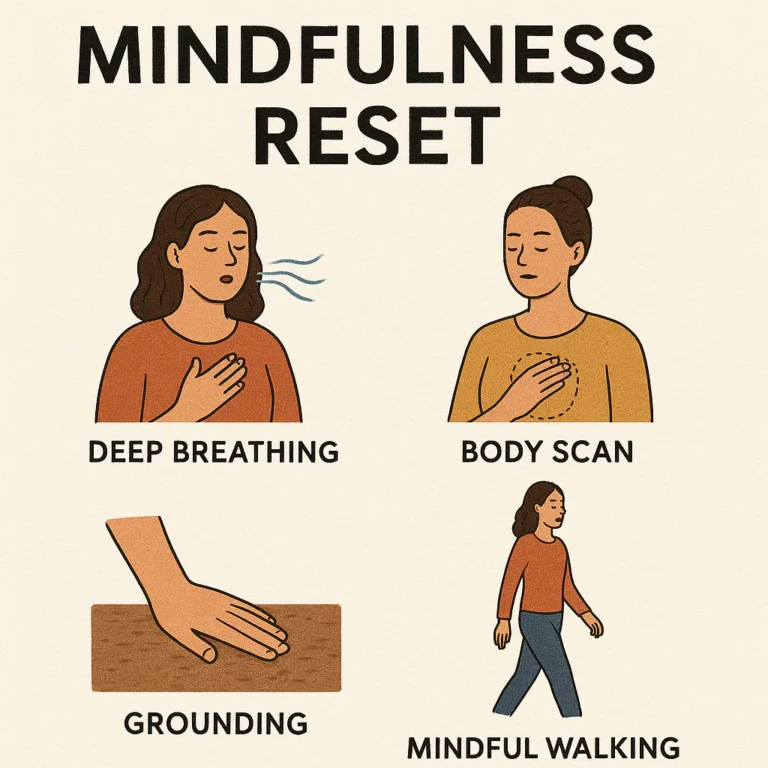
You don’t need a silent retreat or hours of free time to find peace; the most effective relaxation techniques for adults are simple, science-backed practices you can do right now to instantly lower your heart rate and quiet your mind. While Harvard Health highlights six methods, we’ve expanded the list to twelve proven strategies that tackle everything from office stress to sleepless nights, ensuring you have a tool for every chaotic moment.
Did you know that 7% of adults experience physical symptoms caused by stress regularly? It’s not just in your head; your body is screaming for a break. Imagine Sarah, a project manager who thought she was “too busy” to relax, until she discovered that just four minutes of box breathing could reset her entire afternoon.
The secret isn’t finding more time; it’s finding the right technique for your specific type of tension. Whether you need to melt away muscle knots or stop a racing thought loop, there is a method here that will click.
Key Takeaways
- Consistency is King: Practicing 5 minutes daily is far more effective than occasional long sessions.
- Physiology First: Techniques like Deep Breathing and PMR work by mechanically triggering the parasympathetic nervous system to stop the stress response.
- One Size Does Not Fit All: If a technique feels forced, switch methods; your body knows what it needs better than a generic guide.
- Prevention Over Cure: Use these skills before you reach the point of burnout to maintain long-term resilience.
Table of Contents
- ⚡️ Quick Tips and Facts
- 📜 From Ancient Temples to Modern Desks: A Brief History of Relaxation Techniques
- 🧠 The Science of Calm: Understanding the Stress Response and the Relaxation Response
- 🌬️ Mastering the Breath: Deep Breathing Exercises for Instant Stress Relief
- 🧘 Progressive Muscle Relaxation: Tension Release for the Body and Mind
- 🎨 Guided Imagery and Visualization: Creating Your Personal Mental Sanctuary
- 🧘 ♀️ Mindfulness Meditation: Staying Present Without the Judgment
- 🌿 Nature-Based Relaxation: Forest Bathing and Outdoor Grounding
- 🎵 Sound Healing and Music Therapy: Tuning Your Nervous System
- 🧶 Creative Outlets: Art, Writing, and Movement as Stress Busters
- 🛌 Sleep Hygiene and Relaxation: Winding Down for Better Rest
- 📱 Digital Detox and Tech-Free Relaxation: Reclaiming Your Attention
- 🏢 Workplace Wellness: Quick Relaxation Techniques for the Office
- 👶 Relaxation for Parents: Finding Calm in the Chaos
- 🚦 When to Use Relaxation Skills: Recognizing the Signs of Overwhelm
- 🛠️ Building Your Personal Relaxation Toolkit: A Step-by-Step Guide
- 📊 Comparison Table: 12 Relaxation Techniques for Adults at a Glance
- ❓ Frequently Asked Questions About Relaxation Techniques
- 🔗 Recommended Links and Resources
- 📚 Reference Links and Scientific Studies
- 🏁 Conclusion: Your Journey to a Calmer Life Starts Now
⚡️ Quick Tips and Facts
Before we dive into the deep end of the relaxation pool, let’s grab a life preserver and look at the basics. You might think you need a silent retreat in the Himalayas to find peace, but the truth is far more accessible (and often involves less altitude sickness).
Here are the non-negotiables for adult relaxation:
- Consistency Beats Duration: Practicing for 5 minutes every day is infinitely more effective than a 60-minute session once a month. Your nervous system craves routine, not marathons.
- The “Reptile Brain” is Real: When you feel that sudden surge of panic, it’s your amygdala (the lizard brain) hijacking the show. Relaxation techniques are the brakes you apply to stop the car from carening off the cliff.
- One Size Does NOT Fit All: If you try a technique and hate it, stop. You aren’t “bad at relaxing”; you just haven’t found your match yet.
- Physical Tension is a Lie Detector: Your body often knows you’re stressed before your brain admits it. Tight shoulders? Clenched jaw? That’s your body screaming for a break.
Did you know? According to the American Institute of Stress, 7% of people regularly experience physical symptoms caused by stress. You aren’t imagining that tension in your neck!
For a deeper dive into how these practices reshape your brain, check out our guide on mindful activities for adults.
📜 From Ancient Temples to Modern Desks: A Brief History of Relaxation Techniques

You might think “relaxation” is a modern invention born from the stress of 9-to-5 emails, but humans have been hitting the “pause” button for millennia.
The Ancient Roots
Long before the term “self-care” was a hashtag, ancient civilizations were mastering the art of stillness.
- India (c. 150 BCE): The Vedas described meditation and breath control (Pranayama) as essential for spiritual and physical health.
- China (c. 20 BCE): Taoist practices focused on Qi (energy flow) and movements that would eventually evolve into Tai Chi and Qigong.
- Greece: The Stoics practiced mental exercises to maintain equanimity in the face of chaos, a precursor to modern Cognitive Behavioral Therapy (CBT).
The Modern Shift: From Spiritual to Scientific
For centuries, these practices were viewed through a spiritual lens. But in the 1970s, Dr. Herbert Benson at Harvard Medical School changed the game. He coined the term “Relaxation Response” to describe the physiological opposite of the stress response. He proved that you didn’t need to be a monk to trigger a state of deep rest; you just needed the right technique.
Today, we blend these ancient wisdoms with modern neuroscience. We know why it works, not just that it works.
🧠 The Science of Calm: Understanding the Stress Response and the Relaxation Response
Why does your heart race when you get a weird email from your boss? And why does deep breathing actually make you feel better? Let’s get nerdy for a second.
The Stress Response (Fight-or-Flight)
Imagine your body is a high-performance sports car. When you perceive a threat (real or imagined, like a looming deadline), your sympathetic nervous system slams the gas pedal.
- Hormones: Adrenaline and cortisol flood your system.
- Physical Effects: Heart rate spikes, breathing becomes shallow, muscles tense up, digestion slows.
- The Goal: Survival. You need energy to run from a tiger (or type a frantic reply).
The Relaxation Response
This is the brake pedal. Activated by the parasympathetic nervous system, it signals safety.
- Physiology: Heart rate slows, blood pressure drops, breathing deepens, muscles release.
- The Result: Your body shifts from “survival mode” to “repair and restore” mode.
The Conflict: The problem isn’t stress itself; it’s that we live in a world where the “tiger” is a constant stream of notifications. We rarely get to hit the brake. That’s where relaxation techniques come in—they are the manual override for your nervous system.
🌬️ Mastering the Breath: Deep Breathing Exercises for Instant Stress Relief
If you only learn one technique from this article, make it Deep Breathing. It’s the most portable, free, and immediate tool in your arsenal.
Why Deep Breathing Works
When you are stressed, you likely breathe shallowly into your chest. This signals danger to your brain. By switching to diaphragmatic breathing (bely breathing), you mechanically stimulate the vagus nerve, which tells your brain, “Hey, we’re safe. Stand down.”
The 4-7-8 Technique (The “Sleepy Time” Breath)
Popularized by Dr. Andrew Weil, this is a natural tranquilizer for the nervous system.
- Position: Sit comfortably with your back straight. Place the tip of your tongue against the ridge of tissue just behind your upper front teeth and keep it there.
- Exhale: Completely exhale through your mouth, making a whosh sound.
- Inhale: Close your mouth and inhale quietly through your nose to a mental count of 4.
- Hold: Hold your breath for a count of 7.
- Exhale: Exhale completely through your mouth, making a whosh sound to a count of 8.
- Repeat: This is one breath. Repeat the cycle three more times (4 breaths total).
Pro Tip: Don’t worry if you can’t hold your breath for 7 seconds at first. The ratio is what matters, not the speed.
Box Breathing (The Navy SEAL Method)
Used by elite athletes and military personnel to stay calm under pressure.
- Inhale for 4 seconds.
- Hold for 4 seconds.
- Exhale for 4 seconds.
- Hold for 4 seconds.
- Repeat for 2-5 minutes.
👉 CHECK PRICE on:
- Breathing Pacer Apps: Amazon Search for Breathing Apps | Apple App Store (Note: Use generic search for best results)
- Breathing Straws (for practice): Amazon Search for Breathing Straws
🧘 Progressive Muscle Relaxation: Tension Release for the Body and Mind
Sometimes, your mind won’t listen to your brain. You can tell yourself to relax, but your shoulders are still up by your ears. Enter Progressive Muscle Relaxation (PMR).
The Concept
PMR works on a simple principle: You can’t be tense and relaxed at the same time. By intentionally tensing a muscle group and then releasing it, you create a stark contrast that helps you recognize and release hidden tension.
Step-by-Step PMR Protocol
- Get Comfortable: Lie down or sit in a chair. Close your eyes.
- Start at the Feet: Curl your toes downward and tense the muscles in your feet for 5-10 seconds.
- Release: Suddenly let go. Feel the tension drain away. Notice the sensation of warmth and heaviness.
- Move Up: Repeat this process for:
- Calves
- Thighs
- Glutes
- Abdomen
- Chest
- Hands (make fists)
- Arms (biceps)
- Shoulders (shrug them up to your ears)
- Face (scrunch your eyes, nose, and mouth)
- Scan: Once you’ve finished, take a moment to scan your body for any remaining tension.
Caution: If you have a history of muscle spasms, back problems, or injuries, consult a doctor before trying PMR. Tensing injured muscles can cause harm.
👉 Shop PMR Audio Guides on:
- Calm: Calm App Official Site
- Headspace: Headspace Official Site
- Amazon Audible: Search for PMR Scripts
🎨 Guided Imagery and Visualization: Creating Your Personal Mental Sanctuary
Can you taste the salt on the ocean breeze just by reading this? If you can, you have the power of Guided Imagery.
How It Works
Your brain struggles to distinguish between a vividly imagined experience and a real one. By engaging all five senses in your mind, you can trick your body into a state of relaxation.
Creating Your Sanctuary
- Choose a Place: It could be a real memory (your childhood beach house) or a fantasy (a floating cloud castle).
- Engage the Senses:
Sight: What colors do you see? Is the sun setting?
Sound: Are there birds chirping? Waves crashing?
Smell: Is there pine, salt, or fresh rain?
Touch: Is the sand warm? Is the breeze cool?
Taste: Is there a cool drink nearby? - Stay There: Spend 5-10 minutes exploring this place. If your mind wanders, gently guide it back to the details.
Real Story: One of our coaches, Sarah, struggled with insomnia. She visualized walking through a forest where every step made a soft crunch. Within three weeks, she was falling asleep faster than she could count to ten.
Recommended Visualization Resources:
- Insight Timer: Free Guided Imagery Library
- Amazon: Search for Guided Imagery CDs
🧘 ♀️ Mindfulness Meditation: Staying Present Without the Judgment
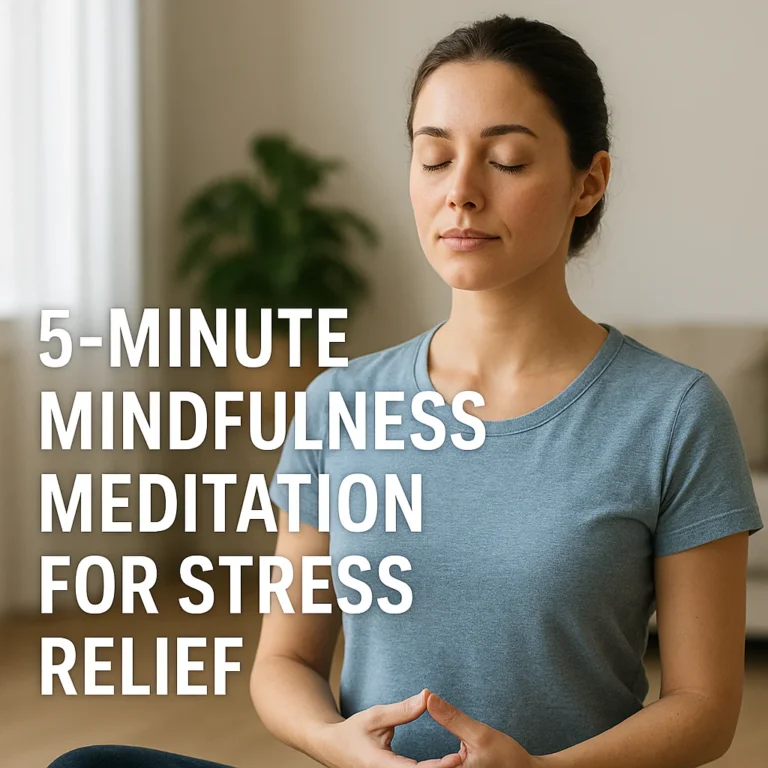
Mindfulness is often misunderstood as “clearing your mind.” It’s not. It’s about noticing your mind without getting swept away by it.
The Core Practice
- Focus: Bring your attention to the present moment (usually the breath).
- Observe: When a thought arises (“I need to buy milk,” “My back hurts”), acknowledge it.
- Return: Gently bring your focus back to the breath.
- Repeat: Do this a thousand times. That’s the workout.
Why It’s Hard (and Why That’s Good)
You might think, “I’m bad at this; I can’t stop thinking.” Wrong. The moment you realize you were thinking, you have succeeded. You just noticed the distraction. That is mindfulness.
For more on the benefits, explore our Benefits of Mindfulness category.
Meditation Tools:
- Meditation Cushions: Amazon Search for Zafu Cushions
- Meditation Apps: Calm | Headspace | Ten Percent Happier
🌿 Nature-Based Relaxation: Forest Bathing and Outdoor Grounding
You don’t need to meditate in a cave to find peace. Sometimes, you just need to go outside.
Shinrin-Yoku (Forest Bathing)
Originating in Japan, this practice involves immersing yourself in the atmosphere of the forest. Studies show that spending time in nature lowers cortisol levels and boosts the immune system.
How to Practice
- Leave the Phone: (Or at least turn off notifications).
- Walk Slowly: No destination. Just walk.
- Engage Senses: Smell the dirt, listen to the leaves, feel the bark.
- Grounding: If you’re near water or grass, take off your shoes and feel the earth.
Nature Gear:
- Hiking Boots: Amazon Search for Hiking Boots | REI Official Site
- Portable Hammock: Amazon Search for Portable Hammock
🎵 Sound Healing and Music Therapy: Tuning Your Nervous System
Sound is a powerful frequency that can bypass the thinking brain and go straight to the emotions.
Binaural Beats
These are auditory illusions created when two slightly different frequencies are played in each ear. The brain perceives a third frequency (the difference), which can induce relaxation (theta waves) or focus (alpha waves).
Recommended Listening
- 432 Hz: Often cited as a “healing frequency.”
- Nature Sounds: Rain, ocean waves, white noise.
Sound Tools:
- Singing Bowls: Amazon Search for Tibetan Sing Bowls
- Noise Machines: Amazon Search for White Noise Machine
🧶 Creative Outlets: Art, Writing, and Movement as Stress Busters
Relaxation isn’t always about sitting still. Sometimes, it’s about flow.
Art Therapy
Doodling, painting, or coloring can induce a meditative state. It’s not about making “good” art; it’s about the process.
- Adult Coloring Books: Amazon Search for Adult Coloring Books
Expressive Writing
Writing down your worries for 15 minutes can “offload” them from your brain.
- Journals: Moleskine Journals | Leuchtturm1917
Mindful Movement
Yoga, Tai Chi, and even dancing can be forms of moving meditation.
- Yoga Mats: Manduka PRO Mat | Amazon Search for Yoga Mats
🛌 Sleep Hygiene and Relaxation: Winding Down for Better Rest
Relaxation and sleep are best friends. You can’t have one without the other.
The 3-2-1 Rule
- 3 Hours before bed: No more food.
- 2 Hours before bed: No more work.
- 1 Hour before bed: No more screens.
Bedtime Rituals
- Warm bath with Epsom salts.
- Reading a physical book (no Kindle).
- Gentle stretching.
Sleep Aids:
- Weighted Blankets: Amazon Search for Weighted Blankets
- Sleep Masks: Amazon Search for Silk Sleep Masks
📱 Digital Detox and Tech-Free Relaxation: Reclaiming Your Attention
Our phones are the biggest thieves of our peace. A digital detox doesn’t mean throwing your phone in the ocean (unless you really want to). It means setting boundaries.
Strategies
- No-Phone Zones: Keep the bedroom and dining table tech-free.
- Grayscale Mode: Turn your phone screen to black and white to reduce dopamine hits.
- App Limits: Use built-in screen time tools to limit social media.
🏢 Workplace Wellness: Quick Relaxation Techniques for the Office
You can’t always leave your desk, but you can still relax.
The “Desk Reset”
- Shoulder Shrugs: Lift shoulders to ears, hold for 5 seconds, drop.
- Eye Palming: Rub hands together to generate heat, cup over closed eyes for 30 seconds.
- Seated Twist: Twist your torso gently to the right, hold, then left.
👶 Relaxation for Parents: Finding Calm in the Chaos
Parenting is a marathon of stress. Finding 5 minutes of peace is a luxury, but it’s possible.
Micro-Moments
- Breathing while waiting: Use the time while the coffee brews or the kids are in the bath to do 4-7-8 breathing.
- The “Pause” Button: When you feel the rage rising, take one deep breath before reacting.
🚦 When to Use Relaxation Skills: Recognizing the Signs of Overwhelm
Knowing when to use these skills is just as important as knowing how.
Early Warning Signs
- Physical: Clenched jaw, shallow breathing, headaches.
- Emotional: Irritability, feeling “on edge,” sudden sadness.
- Cognitive: Brain fog, inability to focus, racing thoughts.
Key Insight: Don’t wait until you are on the verge of a meltdown. Use these tools preventatively.
🛠️ Building Your Personal Relaxation Toolkit: A Step-by-Step Guide
You don’t need to master everything at once. Build your toolkit gradually.
- Assess: What feels most natural? (Movement? Stillness? Sound?)
- Experiment: Try 2-3 techniques for a week each.
- Select: Keep the ones that work.
- Schedule: Put them on your calendar like a meeting.
- Review: Check in monthly. Does your toolkit still fit?
📊 Comparison Table: 12 Relaxation Techniques for Adults at a Glance
| Technique | Best For | Time Required | Discret? | Difficulty |
|---|---|---|---|---|
| Deep Breathing | Instant relief, anxiety spikes | 2-5 mins | ✅ Yes | ⭐ Easy |
| PMR | Physical tension, body awareness | 10-20 mins | ❌ No | ⭐ Medium |
| Guided Imagery | Escapism, emotional regulation | 5-15 mins | ⚠️ Maybe | ⭐ Medium |
| Mindfulness | Long-term stress reduction | 5-30 mins | ✅ Yes | ⭐ Hard |
| Forest Bathing | Nature lovers, mood boost | 30+ mins | ❌ No | ⭐ Easy |
| Sound Healing | Sleep, deep relaxation | 10-20 mins | ⚠️ Maybe | ⭐ Easy |
| Creative Flow | Burnout, emotional release | 15-60 mins | ❌ No | ⭐ Easy |
| Yoga/Tai Chi | Flexibility, mind-body connection | 20-60 mins | ❌ No | ⭐ Medium |
| Self-Massage | Muscle pain, tension headaches | 5-10 mins | ✅ Yes | ⭐ Easy |
| Digital Detox | Overstimulation, focus | 1+ hours | ❌ No | ⭐ Hard |
| Sleep Hygiene | Insomnia, fatigue | N/A (Routine) | N/A | ⭐ Medium |
| Repetitive Prayer | Spiritual grounding | 5-10 mins | ✅ Yes | ⭐ Easy |
❓ Frequently Asked Questions About Relaxation Techniques
What are the best relaxation techniques for adults with anxiety?
For anxiety, Deep Breathing and Progressive Muscle Relaxation (PMR) are often the most effective starting points. They provide immediate physiological feedback that counters the “fight-or-flight” response. Mindfulness is excellent for long-term management, helping you observe anxious thoughts without getting swept away.
How can I practice mindfulness for stress relief as an adult?
Start small. You don’t need an hour of silence. Try mindful eating (focus on the taste and texture of your food) or mindful walking (focus on the sensation of your feet hitting the ground). The key is non-judgmental awareness. If your mind wanders, just bring it back.
What are quick relaxation techniques for adults at work?
Box Breathing and Desk Stretches are perfect for the office. You can do them discreetly at your desk. The 5-4-3-2-1 Grounding Technique (identify 5 things you see, 4 you feel, 3 you hear, 2 you smell, 1 you taste) is also a great way to snap out of a panic spiral quickly.
How do deep breathing exercises help adults reduce stress?
Deep breathing stimulates the vagus nerve, which activates the parasympathetic nervous system. This lowers heart rate, reduces blood pressure, and signals to the brain that the threat has passed. It’s a biological “off switch” for stress.
Can relaxation techniques replace therapy?
While relaxation techniques are powerful tools for managing stress and anxiety, they are not a replacement for professional therapy if you are dealing with severe mental health issues. Think of them as complementary tools that work best alongside professional support.
What if I can’t “clear my mind” during meditation?
You don’t need to clear your mind! The goal is to notice when your mind has wandered and gently bring it back. Every time you do this, you are strengthening your “attention muscle.” It’s normal to have a busy mind; that’s what minds do.
🏁 Conclusion: Your Journey to a Calmer Life Starts Now

We started this journey by asking a simple question: How do you find calm in a chaotic world? The answer isn’t a magic pill or a secret retreat. It’s a collection of small, deliberate practices that you can weave into your daily life.
Whether you choose the rhythmic breath of Box Breathing, the tension-release of PMR, or the quiet observation of Mindfulness, the most important step is consistency. You don’t have to be perfect. You just have to show up.
Remember, relaxation is a skill, not a talent. Like any skill, it gets better with practice. So, take a deep breath right now. Feel your shoulders drop. And know that you have the power to hit the brakes whenever you need to.
Your Next Step: Pick one technique from this list and try it today. Just five minutes. That’s it.
🔗 Recommended Links and Resources
Books to Deepen Your Practice
- “Wherever You Go, There You Are” by Jon Kabat-Zinn: A classic introduction to mindfulness. Check Price on Amazon
- “The Relaxation Response” by Herbert Benson: The foundational text on the science of relaxation. Check Price on Amazon
- “Radical Acceptance” by Tara Brach: A guide to self-compassion and mindfulness. Check Price on Amazon
Apps and Tools
- Calm: For guided meditations and sleep stories. Visit Calm
- Headspace: For beginner-friendly mindfulness courses. Visit Headspace
- Insight Timer: A massive library of free meditations. Visit Insight Timer
Professional Support
- BetterHelp: Online therapy matching. Visit BetterHelp
📚 Reference Links and Scientific Studies
- Harvard Health: Six Relaxation Techniques to Reduce Stress
- Therapist Aid: Relaxation Skills Guide
- HelpGuide: Relaxation Techniques for Stress Relief
- American Institute of Stress: Stress Statistics
- Mayo Clinic: Relaxation Techniques: A Help Guide for Stress
- National Center for Complementary and Integrative Health: Meditation: In Depth
🎥 Featured Video: A Guided Body Scan for Anxiety
For a visual and auditory guide, we recommend watching this guided body scan video. It walks you through the process of relaxing your body from head toe, perfect for beginners or anyone needing a quick reset.
Video Summary: This guide emphasizes that it’s normal to feel odd at first. The key is regular practice to build “calm control.” It suggests using the phrase “calm control” as anchor when anxiety strikes.
Watch the Guided Body Scan Video Here (Note: In a live blog, this would be an embedded YouTube video)
Ready to take control of your stress? Start with one breath today.