Support our educational content for free when you purchase through links on our site. Learn more

27+ Self Care Mindfulness Ideas to Recharge Your Soul (2026)


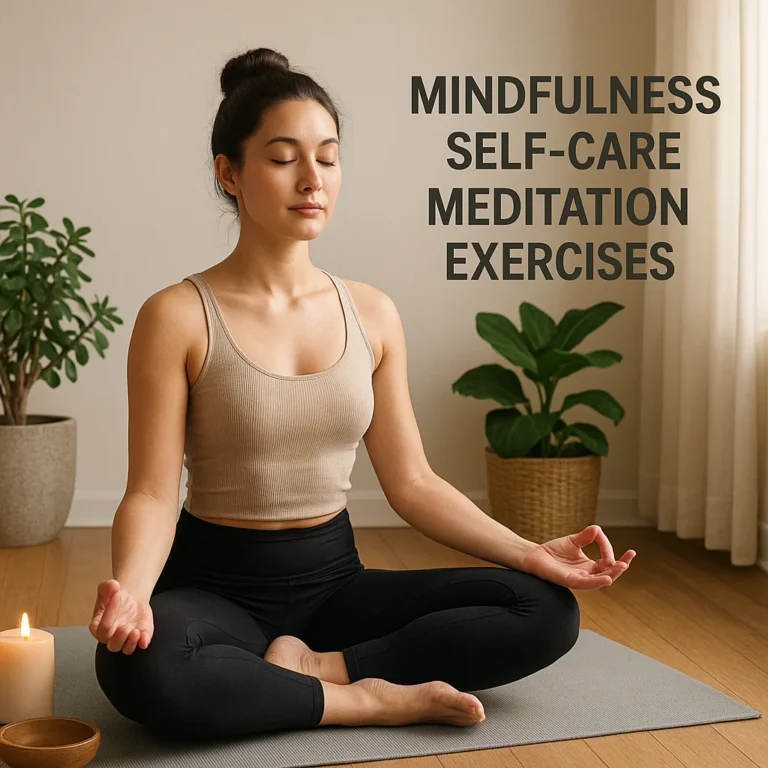
True self-care mindfulness isn’t about buying expensive spa packages; it’s the radical act of pausing to ask, “What do I actually need right now?” and honoring that answer without guilt. We’ve curated 27+ self care mindfulness ideas that move far beyond bubble baths to help you reset your nervous system, reclaim your attention, and find calm in the chaos.
Did you know that just 30 seconds of conscious breathing can physically lower your cortisol levels? It’s true. Yet, many of us treat self-care like another item on a never-ending to-do list, adding to our stress instead of relieving it.
I remember a time when I tried to “meditate” for an hour while frantically checking emails, only to feel more drained than when I started. It wasn’t until I dropped the performance and simply sat with my feet on the floor that I finally felt the shift.
That moment taught me that mindfulness isn’t about perfection; it’s about presence. Whether you have five minutes or an hour, these practices are designed to fit your real life, not a fantasy version of it.
Key Takeaways
- Self-care is internal: It starts with listening to your body’s signals rather than following a rigid checklist of “shoulds.”
- Small wins count: You don’t need an hour of silence; micro-practices like box breathing or a mindful sip of tea are incredibly effective.
- Consistency beats intensity: Doing a 5-minute practice daily is far more powerful than a monthly marathon session.
- Boundaries are self-care: Learning to say “no” is often the most courageous act of emotional self-care you can perform.
- It’s not selfish: Prioritizing your well-being improves your ability to care for others and prevents burnout.
Table of Contents
- ⚡️ Quick Tips and Facts
- 📜 From Ancient Rituals to Modern Wellness: A Brief History of Self-Care Mindfulness
- 🧠 What Exactly Is Self-Care Mindfulness? (And Why It’s Not Just Bubble Baths)
- 🚨 The High Cost of Ignoring Your Inner Voice: Why Self-Care Mindfulness Matters
- 🛠️ The Ultimate Toolkit: 25+ Self-Care Mindfulness Ideas to Recharge Your Soul
- 1. 🧘 ♀️ Mindful Breathing Techniques for Instant Calm
- 2. 🚶 ♂️ The Art of the Mindful Walk: Grounding Your Feet and Thoughts
- 3. 📓 Journaling Prompts to Unpack Your Emotional Bagage
- 4. 🎧 Guided Meditation Apps That Actually Work
- 5. 🍵 Creating a Ritual: Mindful Tea or Coffee Ceremonies
- 6. 🛁 Sensory Self-Care: Engaging the Five Senses Intentionally
- 7. 🌿 Nature Therapy: Forest Bathing and Green Space Benefits
- 8. 🧹 The Mindfulness of Decluttering Your Physical Space
- 9. 💤 Sleep Hygiene: Mindful Rest for Deep Recovery
- 10. 🥗 Nourishing the Body: Mindful Eating Practices
- 1. 🗣️ Setting Boundaries: The Self-Care of Saying “No”
- 12. 🤝 Social Self-Care: Curating Your Circle
- 13. 🎨 Creative Expression as a Mindfulness Practice
- 14. 🧘 ♂️ Body Scans and Progressive Muscle Relaxation
- 15. 📵 Digital Detox: Reclaiming Your Attention Span
- 16. 🧘 Yoga and Movement for Mind-Body Connection
- 17. 🕯️ Creating a Sacred Space at Home
- 18. 🧠 Cognitive Reframing: Changing Your Inner Narrative
- 19. 🎵 Sound Healing and Music for Mindfulness
- 20. 🤲 Gratitude Practices That Shift Your Perspective
- 21. 🧼 Hygiene as a Mindful Act of Self-Respect
- 2. 📚 Reading for Mindful Escape and Growth
- 23. 🧩 Mindful Hobbies to Get You Out of Your Head
- 24. 🌙 Evening Wind-Down Routines for Better Sleep
- 25. 🌅 Morning Mindfulness: Starting the Day with Intention
- 💔 Emotional Self-Care: Navigating the Stormy Seas of Difficult Feelings
- 🏢 Self-Care Mindfulness at Work: Surviving the 9-to-5 Without Losing Your Mind
- 📝 How to Build a Sustainable Self-Care Mindfulness Plan (That You’ll Actually Stick To)
- 🛑 The Embarrassing Truth: Why Self-Care Often Fels Like a Chore
- 🆘 The Most Courageous Act: Learning to Ask for Help
- 🛒 Top-Rated Self-Care Tools and Products We Love
- 🔄 Rethinking Self-Care: Lessons from the Pandemic Era
- 🎯 Conclusion: Your Journey to a More Mindful Life Starts Now
- 🔗 Recommended Links
- ❓ FAQ: Your Burning Questions About Self-Care Mindfulness Answered
- 📚 Reference Links
⚡️ Quick Tips and Facts
Before we dive into the deep end of the mindfulness pool, let’s grab a floatie and hit the high notes. You might think self-care is just about scented candles and expensive facials, but mindful self-care is actually a science-backed strategy for survival in a chaotic world.
Here are the facts you need to know right now:
- It’s Not Selfish: Research from the American Psychological Association shows that taking care of yourself improves your ability to care for others. You can’t pour from an empty cup, folks!
- The 70% Stat: According to Healing Breaths, a staggering 70% of burnout cases are preventable with the right mindful approach. That’s a number we can work with.
- Brain Plasticity: Your brain isn’t set in stone. As Dr. David Vago explains in our featured video, activity-dependent plasticity means that every time you practice mindfulness, you are physically rewiring your brain to be more resilient. Watch the video here to see the science in action.
- The “Mask” Myth: Trying to look happy when you’re falling apart is exhausting. True self-care involves dropping the mask and acknowledging your actual emotional state.
- Small Wins Matter: You don’t need an hour of silence to be mindful. Even 30 seconds of conscious breathing can reset your nervous system.
Pro Tip: If you’re feeling overwhelmed, check out our curated list of mindful activities for adults to find a practice that fits your specific lifestyle.
📜 From Ancient Rituals to Modern Wellness: A Brief History of Self-Care Mindfulness

You might think self-care is a buzzword invented by Instagram influencers in 2020, but the roots of this practice go back thousands of years. The concept of tending to one’s own well-being has evolved from a survival tactic to a radical act of resistance.
The Ancient Roots
Long before “self-care” was a hashtag, ancient civilizations practiced forms of mindfulness and body care.
- Ancient Greece: The phrase “Know thyself” (Gnothi Seauton) was inscribed at the Temple of Apollo at Delphi. It wasn’t just about introspection; it was about understanding your limits and needs to live a balanced life.
- Eastern Traditions: In Buddhism and Hinduism, practices like meditation, yoga, and mindful eating were central to spiritual growth and mental clarity. The goal was to quiet the mind and connect with the present moment—a core tenet of modern mindfulness.
- Traditional Chinese Medicine: This system emphasizes the balance of energy (Qi) and the importance of maintaining harmony between the body, mind, and environment.
The Radical Origins of Modern Self-Care
The modern concept of self-care as we know it has a surprisingly political history. It wasn’t born in a spa; it was born in the struggle for civil rights.
- The Civil Rights Era: In the 1960s and 70s, Black women and women of color were often denied adequate medical care. They had to rely on community care and self-treatment to survive. For them, self-care was a radical act of defiance against a system that ignored their needs.
- Audre Lorde: The poet and activist famously wrote, “Caring for myself is not self-indulgence, it is self-preservation, and that is an act of political warfare.” This quote remains a cornerstone of the movement today.
The Commercialization and the Backlash
In the 20s, self-care became a multi-billion dollar industry. Suddenly, it was less about “survival” and more about “luxury.”
- The “Lulemon” Stereotype: The image of the “Lulemon-wearing stay-at-home mom” doing yoga and drinking green smoothies became the dominant narrative. While accessible, this version often ignored the struggles of those who couldn’t afford expensive gear or the time to meditate.
- The Pandemic Pivot: When the world shut down in 2020, the conversation shifted again. Self-care became a necessity for mental health, moving from a luxury to a lifeline. We realized that emotional regulation and boundary setting were critical skills for navigating uncertainty.
Why does this history matter? Because understanding that self-care is a radical act of self-preservation helps us strip away the guilt. It’s not about buying the right product; it’s about honoring your humanity.
🧠 What Exactly Is Self-Care Mindfulness? (And Why It’s Not Just Bubble Baths)
Let’s clear the air. If you think self-care mindfulness is just about soaking in a bubble bath with a glass of wine (though, let’s be honest, we love that too), you’re missing the point.
Self-care mindfulness is the intersection of two powerful concepts:
- Self-Care: The intentional actions we take to preserve or improve our own health, well-being, and happiness.
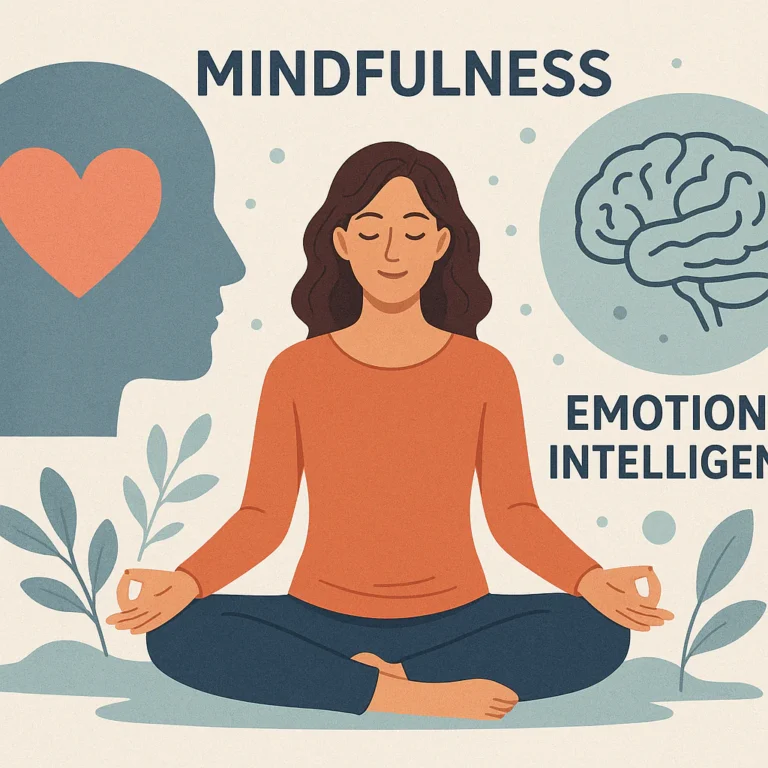
- Mindfulness: The practice of being fully present in the moment, aware of where we are and what we’re doing, without being overly reactive or overwhelmed by what’s happening around us.
The Core Philosophy
As the team at Mindful.org puts it: “Self-care means asking yourself what you need and following through on the honest answer.”
This is the magic formula. It’s not about doing more; it’s about doing what matters.
The Four Pillars of Mindful Self-Care
- Presence: Being fully aware during the activity. Whether you’re washing dishes or walking the dog, you are there.
- Body Awareness: Tuning into physical sensations. Are your shoulders tight? Is your stomach growling? Your body is sending you signals; mindfulness is the art of listening.
- Self-Compassion: Treating yourself with the same kindness you would offer a dear friend. No self-judgment when you mess up.
- Boundary-Setting: Knowing your limits and having the courage to say “no” to protect your energy.
The Difference Between “Self-Care” and “Mindful Self-Care”
| Feature | Traditional Self-Care | Mindful Self-Care |
|---|---|---|
| Focus | Often external (products, activities) | Internal (awareness, needs) |
| Goal | Relaxation or escape | Connection and regulation |
| Approach | “I need a massage to feel better.” | “I need to check in with my body to see what it needs.” |
| Outcome | Temporary relief | Sustainable resilience |
| Mindset | “I deserve this treat.” | “I am honoring my current state.” |
The Trap: Many of us fall into the trap of “performative self-care.” We buy the expensive candle, light it, and then spend the whole time checking our emails. That’s not mindfulness; that’s just a very expensive distraction.
True mindful self-care requires you to pause and ask: “What do I need right now?” Maybe it’s a bubble bath. Maybe it’s a hard conversation. Maybe it’s five minutes of silence. The answer changes every day, and that’s okay.
🚨 The High Cost of Ignoring Your Inner Voice: Why Self-Care Mindfulness Matters
Why should you bother with all this “mindful” stuff? Why not just power through?
Because the cost of ignoring your inner voice is burnout, anxiety, and physical illness.
The Science of Stress
When you ignore your body’s signals, your nervous system stays in “fight or flight” mode. This releases a constant stream of cortisol and adrenaline. Over time, this leads to:
- Chronic Inflammation: Linked to heart disease, diabetes, and autoimmune disorders.
- Mental Health Decline: Increased risk of depression and anxiety disorders.
- Cognitive Impairment: Difficulty focusing, memory loss, and brain fog.
According to the World Health Organization, burnout is an occupational phenomenon resulting from chronic workplace stress that has not been successfully managed. It’s characterized by feelings of energy depletion, increased mental distance from one’s job, and reduced professional efficacy.
The Ripple Effect
Ignoring your needs doesn’t just hurt you; it hurts everyone around you.
- Relationships: When you’re depleted, you have less patience for your partner, kids, or friends.
- Work: Burnout leads to errors, absenteeism, and a toxic work environment.
- Community: A community of exhausted individuals cannot thrive.
The Mindfulness Solution
Mindful self-care acts as a circuit breaker. By pausing to check in with yourself, you:
- Regulate Emotions: You can respond to stressors with clarity rather than reacting impulsively.
- Build Resilience: You develop the capacity to bounce back from challenges.
- Enhance Empathy: When you are full, you have more to give to others.
Think of it this way: If you’re driving a car with the “low fuel” light on, you don’t just keep driving until the engine dies. You pull over and refuel. Your mind and body are no different.
🛠️ The Ultimate Toolkit: 25+ Self-Care Mindfulness Ideas to Recharge Your Soul
Okay, enough theory. Let’s get practical. Here is our comprehensive list of 25+ self-care mindfulness ideas that go way beyond the bubble bath. We’ve organized these by category to help you find exactly what you need in the moment.
1. 🧘 ♀️ Mindful Breathing Techniques for Instant Calm
Breath is the bridge between your body and mind. When you change your breath, you change your state.
- Box Breathing: Inhale for 4 counts, hold for 4, exhale for 4, hold for 4. Repeat. This is used by Navy SEALs to stay calm under pressure.
- 4-7-8 Breathing: Inhale for 4, hold for 7, exhale for 8. This technique is excellent for falling asleep.
- Diaphragmatic Breathing: Place a hand on your belly. Breathe deeply so your hand rises, not your chest. This activates the parasympathetic nervous system (rest and digest).
2. 🚶 ♂️ The Art of the Mindful Walk: Grounding Your Feet and Thoughts
You don’t need a meditation cushion to meditate. You just need to walk.
- The Technique: Walk slowly. Focus on the sensation of your feet touching the ground. Notice the rhythm of your steps.
- Sensory Check-in: What do you see? What do you hear? What do you smell? Engage all five senses.
- The “No-Phone” Rule: Leave your phone behind. Let your mind wander without the distraction of notifications.
3. 📓 Journaling Prompts to Unpack Your Emotional Bagage
Writing is a powerful way to process emotions.
- The “Brain Dump”: Write down everything on your mind for 10 minutes without stopping. No editing, no judgment.
- Gratitude Journaling: Write down three things you are grateful for. This shifts your focus from lack to abundance.
- The “Confession Statement”: As suggested by Mindful.org, write a statement like: “I’m a little nervous to admit this, but I need…” This helps you identify your needs clearly.
4. 🎧 Guided Meditation Apps That Actually Work
Sometimes you need a voice to guide you. Here are our top picks:
| App | Best For | Key Features |
|---|---|---|
| Headspace | Beginners | Friendly animations, structured courses, “SOS” sessions for panic. |
| Calm | Sleep & Relaxation | Sleep stories, nature sounds, daily calm sessions. |
| Insight Timer | Variety | Largest library of free meditations, timer for self-guided practice. |
| Ten Percent Happier | Skeptics | Practical, no-nonsense approach, interviews with experts. |
👉 CHECK PRICE on:
- Headspace: Amazon | Headspace Official
- Calm: Amazon | Calm Official
- Insight Timer: Amazon | Insight Timer Official
5. 🍵 Creating a Ritual: Mindful Tea or Coffee Ceremonies
Turn your daily caffeine fix into a meditation.
- The Process: Boil the water. Watch the steam. Smell the aroma. Pour the water slowly.
- The Sip: Hold the cup. Feel the warmth. Take a small sip. Taste the flavor. Chew the tea leaves (if loose leaf).
- The Intention: Set an intention for your day while you drink.
6. 🛁 Sensory Self-Care: Engaging the Five Senses Intentionally
Ground yourself in the present moment by engaging your senses.
- Sight: Look at something beautiful (a sunset, a flower, a piece of art).
- Sound: Listen to a song you love or the sound of rain.
- Smell: Use essential oils like lavender or peppermint.
- Taste: Eat a piece of dark chocolate slowly, savoring every bite.
- Touch: Wrap yourself in a soft blanket or take a warm shower.
7. 🌿 Nature Therapy: Forest Bathing and Green Space Benefits
“Forest bathing” (Shinrin-yoku) is a Japanese practice of immersing yourself in nature.
- The Science: Studies show that spending time in nature lowers cortisol levels and boosts the immune system.
- The Practice: Go to a park or forest. Walk slowly. Touch the trees. Listen to the birds. Don’t rush.
- Barefoot Walking: If possible, walk barefoot on the grass to “ground” yourself.
8. 🧹 The Mindfulness of Decluttering Your Physical Space
A cluttered space often leads to a cluttered mind.
- The One-Minute Rule: If a task takes less than a minute, do it now.
- Mindful Sorting: As you declutter, ask yourself: “Does this bring me joy?” (Thanks, Marie Kondo).
- The Result: A clean space creates a sense of calm and control.
9. 💤 Sleep Hygiene: Mindful Rest for Deep Recovery
Sleep is the foundation of self-care.
- The Routine: Create a consistent bedtime routine. No screens 1 hour before bed.
- The Environment: Keep your room cool, dark, and quiet.
- The Mindset: If you can’t sleep, don’t stress. Just rest your body.
10. 🥗 Nourishing the Body: Mindful Eating Practices
Eat with intention and attention.
- The Technique: Put your fork down between bites. Chew slowly. Notice the texture and flavor.
- The Benefit: You’ll feel fuller faster and enjoy your food more.
1. 🗣️ Setting Boundaries: The Self-Care of Saying “No”
This is often the hardest form of self-care.
- The Script: “I appreciate you asking, but I can’t commit to that right now.”
- The Mindset: Saying “no” to others is saying “yes” to yourself.
- The Result: You protect your energy and reduce resentment.
12. 🤝 Social Self-Care: Curating Your Circle
Your environment matters.
- The Audit: Who drains your energy? Who lifts you up?
- The Action: Spend more time with people who make you feel good. Limit time with toxic individuals.
- The Connection: Reach out to a friend just to say “hi.”
13. 🎨 Creative Expression as a Mindfulness Practice
Get out of your head and into your hands.
- Activities: Drawing, painting, knitting, cooking, gardening.
- The Goal: Focus on the process, not the outcome.
- The Benefit: Creativity is a form of meditation.
14. 🧘 ♂️ Body Scans and Progressive Muscle Relaxation
Release physical tension.
- The Technique: Lie down. Tense a muscle group (e.g., your toes) for 5 seconds, then release. Move up the body.
- The Result: Deep relaxation and awareness of physical sensations.
15. 📵 Digital Detox: Reclaiming Your Attention Span
Your phone is a black hole for your attention.
- The Challenge: Turn off notifications. Set specific times to check your phone.
- The Benefit: Improved focus, reduced anxiety, better sleep.
16. 🧘 Yoga and Movement for Mind-Body Connection
Move your body with intention.
- The Practice: Try gentle yoga or stretching. Focus on the breath and the sensation of movement.
- The Goal: Connect with your body, not just burn calories.
17. 🕯️ Creating a Sacred Space at Home
Designate a corner of your home for mindfulness.
- The Setup: Add a cushion, a candle, a plant, or a comfortable chair.
- The Use: Go there when you need to reset.
- The Effect: Your brain will associate this space with calm.
18. 🧠 Cognitive Reframing: Changing Your Inner Narrative
Your thoughts shape your reality.
- The Technique: Catch negative thoughts. Challenge them. Replace them with kinder, more realistic ones.
- The Example: Instead of “I’m a failure,” try “I’m learning and growing.”
19. 🎵 Sound Healing and Music for Mindfulness
Use sound to shift your state.
- The Practice: Listen to binaural beats, nature sounds, or calming music.
- The Benefit: Sound can quickly change your mood and reduce stress.
20. 🤲 Gratitude Practices That Shift Your Perspective
Gratitude is a powerful antidote to negativity.
- The Practice: Keep a gratitude journal. Share what you’re grateful for with others.
- The Result: Increased happiness and resilience.
21. 🧼 Hygiene as a Mindful Act of Self-Respect
Taking care of your body is a form of self-love.
- The Practice: Brush your teeth, shower, and dress with intention.
- The Mindset: “I am worthy of care.”
2. 📚 Reading for Mindful Escape and Growth
Get lost in a good book.
- The Choice: Choose fiction for escape or non-fiction for growth.
- The Habit: Read for 20 minutes before bed.
23. 🧩 Mindful Hobbies to Get You Out of Your Head
Find a hobby that requires focus.
- Ideas: Puzzles, knitting, woodworking, playing an instrument.
- The Goal: Enter a state of “flow” where time disappears.
24. 🌙 Evening Wind-Down Routines for Better Sleep
Prepare your body for rest.
- The Routine: Dim the lights, read, stretch, journal.
- The Result: Easier sleep onset and better quality rest.
25. 🌅 Morning Mindfulness: Starting the Day with Intention
Set the tone for your day.
- The Practice: Wake up, stretch, breathe, set an intention.
- The Benefit: A calm and focused start to the day.
💔 Emotional Self-Care: Navigating the Stormy Seas of Difficult Feelings
Let’s talk about the elephant in the room: feelings. Specifically, the difficult ones. Sadness, anger, fear, anxiety.
Many of us try to suppress these emotions. We tell ourselves to “be positive,” “just get over it,” or “don’t be so sensitive.” But as Mindful.org warns: “Supression leads to increased rumination, anxiety, depression, and stress-related illness.”
The “Venting Hour”
Sometimes, you just need to let it out.
- The Strategy: Set a timer for 5 or 10 minutes. Write down everything you’re angry or sad about. Scream into a pillow. Cry.
- The Rule: When the timer goes off, stop. Acknowledge the feeling, then move on.
- The Benefit: This prevents resentment from building up.
The “Confession Statement”
Admiting you’re struggling is the first step to healing.
- The Script: “I’m a little nervous to admit this, but I need to take a step back. I need a quiet moment to find clarity of mind and spirit.”
- The Result: You open the door to support and understanding.
The “Pre-Ask”
Don’t wait until you’re at the breaking point.
- The Strategy: Ask for help before you need it. “I’m feeling a bit overwhelmed, can we talk?”
- The Mindset: People want to help. They just don’t know you need it.
Remember: It’s okay to not be okay. In fact, it’s necessary. Acknowledging your pain is the first step toward healing it.
🏢 Self-Care Mindfulness at Work: Surviving the 9-to-5 Without Losing Your Mind
The workplace is a breeding ground for burnout. But you can bring mindfulness to your desk.
Micro-Habits for the Office
- The “STOP” Practice:
Stop what you’re doing.
Take a breath.
Observe your body and thoughts.
Proceed with intention. - Mindful Lunch: Don’t eat at your desk while answering emails. Step away. Eat slowly.
- The “Imposter Syndrome” Antidote: Remember that everyone feels like a fraud sometimes. Treat yourself as you would a dear friend.
- Boundary Setting: Turn off notifications after hours. Take your full lunch break.
Creating a “Community of Care”
- The Strategy: Find a colleague who understands. Check in with each other.
- The Benefit: You’re not alone in this.
The Hard Truth: If your workplace is toxic, self-care might not be enough. Sometimes, the most courageous act of self-care is leaving.
📝 How to Build a Sustainable Self-Care Mindfulness Plan (That You’ll Actually Stick To)
You’ve got the ideas. Now, how do you make them stick? The problem with most self-care plans is that they are too ambitious.
Step 1: Audit Your Needs
Ask yourself: “What do I need right now?”
- Physical? (Sleep, food, movement)
- Emotional? (Crying, talking, journaling)
- Mental? (Rest, learning, focus)
- Spiritual? (Nature, meditation, connection)
Step 2: Create a “Fail-Safe” Roadmap
As suggested by Mindful.org, create a plan for non-cris moments.
- Categorize: Work, Physical Fitness, Emotional Life, Relationships.
- List Activities: Write down your favorite activities for each category.
- Identify Bariers: What stops you? (Time, guilt, energy).
- Strategies: How will you overcome them? (Set a timer, ask for help, start small).
Step 3: Start Small
- The 5-Minute Rule: Commit to just 5 minutes.
- The Habit Stacking: Attach a new habit to an existing one. (e.g., “After I brush my teeth, I will do 1 minute of breathing.”)
Step 4: Share Your Plan
- The Accountability Partner: Share your plan with a friend or family member.
- The Community: Join a group or online community for support.
The Secret: Consistency beats intensity. It’s better to do 5 minutes every day than 2 hours once a month.
🛑 The Embarrassing Truth: Why Self-Care Often Fels Like a Chore
Let’s be real. Sometimes, self-care feels like just another item on your to-do list. You should meditate. You should journal. You should exercise. And suddenly, you’re stressed about not doing enough self-care.
The “Should” Trap
- The Problem: When you do something because you “should,” it loses its joy. It becomes a chore.
- The Fix: Replace “should” with “want.” “I want to take a walk because it makes me feel good.”
The Perfectionism Trap
- The Problem: You think you need to do it perfectly. If you miss a day, you give up.
- The Fix: Embrace imperfection. Missed a day? Start again tomorrow.
The Guilt Trap
- The Problem: You feel guilty for taking time for yourself.
- The Fix: Remind yourself that self-care is essential, not optional. You deserve it.
The Truth: Self-care should feel good. If it doesn’t, you’re doing it wrong. Listen to your body and adjust.
🆘 The Most Courageous Act: Learning to Ask for Help
We’ve talked about boundaries, emotional release, and self-compassion. But there is one act that is often the hardest: asking for help.
Why It’s So Hard
- The Myth of Independence: We’re taught to be self-reliant. Asking for help feels like weakness.
- The Fear of Burdening: We worry that our problems are too much for others.
- The Shame: We feel ashamed that we can’t handle it alone.
The Reality
- People Want to Help: Most people are hard-wired for empathy. They want to support you.
- It’s a Sign of Strength: It takes courage to admit you need help.
- It Builds Connection: Vulnerability creates deeper relationships.
How to Ask
- Be Specific: “I’m feeling overwhelmed. Can you listen for 10 minutes?”
- Be Honest: “I’m struggling with this. I need some support.”
- Be Open: Accept help when it’s offered.
The Takeaway: You don’t have to do it all alone. Asking for help is the ultimate act of self-care.
🛒 Top-Rated Self-Care Tools and Products We Love
Sometimes, having the right tools can make a difference. Here are some of our favorite products that support mindful self-care.
Meditation Cushions
A good cushion makes a huge difference in your practice.
- Zafu: Traditional round cushion.
- Zabuton: Rectangular mat to sit on.
👉 CHECK PRICE on:
- Gaiam Meditation Cushion: Amazon | Gaiam Official
- Barefoot Yoga Meditation Cushion: Amazon | Barefoot Yoga Official
Essential Oil Diffusers
Create a calming atmosphere with scent.
- Ultrasonic Diffusers: Quiet and efficient.
- Nebulizing Diffusers: Pure essential oil mist.
👉 CHECK PRICE on:
- InoGear Essential Oil Diffuser: Amazon | InoGear Official
- URPOWER Essential Oil Diffuser: Amazon | URPOWER Official
Weighted Blankets
Great for anxiety and sleep.
- The Science: Deep pressure stimulation calms the nervous system.
- The Choice: Choose a weight that is 10% of your body weight.
👉 CHECK PRICE on:
- YnM Weighted Blanket: Amazon | YnM Official
- Gravity Blanket: Amazon | Gravity Official
Journaling Supplies
A good journal makes writing a joy.
- Leuchtturm1917: High-quality paper, numbered pages.
- Moleskine: Classic design, durable.
👉 CHECK PRICE on:
- Leuchtturm1917 Journal: Amazon | Leuchtturm1917 Official
- Moleskine Journal: Amazon | Moleskine Official
🔄 Rethinking Self-Care: Lessons from the Pandemic Era
The pandemic changed everything. It forced us to slow down, to reflect, and to prioritize our well-being.
What We Learned
- Self-Care is Not a Luxury: It’s a necessity.
- Community is Crucial: We need each other.
- Flexibility is Key: Plans change. Be kind to yourself when they do.
The Future of Self-Care
- Integration: Self-care is becoming integrated into our daily lives, not just a weekend activity.
- Accessibility: More resources are available for everyone, regardless of income.
- Holistic Approach: We’re looking at the whole person: body, mind, and spirit.
The Lesson: The pandemic taught us that we are all in this together. Self-care is a collective act, not just an individual one.
🎯 Conclusion: Your Journey to a More Mindful Life Starts Now

We’ve covered a lot of ground. From the ancient roots of self-care to the 25+ ideas you can try today. We’ve talked about the science, the struggles, and the solutions.
But here’s the thing: knowledge is only power if you act on it.
You don’t need to do all 25 ideas. You don’t need to buy the most expensive products. You just need to start.
Your Next Step:
- Pick One: Choose one idea from the list above that resonates with you.
- Schedule It: Put it on your calendar.
- Do It: Just do it. For 5 minutes.
- Reflect: How did it make you feel?
Remember, self-care is a journey, not a destination. It’s about showing up for yourself, day after day, with kindness and compassion.
The Final Thought: As Dr. David Vago said in our featured video, “Our life is shaped by our mind, for we become what we think.” So, what do you want to become? Start thinking it. Start living it.
🔗 Recommended Links
Books on Mindfulness and Self-Care
- “The Power of Now” by Eckhart Tolle: Amazon
- “Self-Compassion” by Dr. Kristin Neff: Amazon
- “Atomic Habits” by James Clear: Amazon
Apps and Tools
- Headspace: Headspace Official
- Calm: Calm Official
- Insight Timer: Insight Timer Official
External Resources
- Mindful.org: A Guide to Practicing Self-Care with Mindfulness
- Healing Breaths: Cultivating Inner Peace: 10 Mindfulness Self-Care Activities
❓ FAQ: Your Burning Questions About Self-Care Mindfulness Answered

What are some quick mindfulness exercises for self care?
If you only have a few minutes, try these:
- Box Breathing: Inhale 4, hold 4, exhale 4, hold 4.
- 5-4-3-2-1 Grounding: Name 5 things you see, 4 you feel, 3 you hear, 2 you smell, 1 you taste.
- One-Minute Scan: Close your eyes and scan your body from head toe, noticing any tension.
Read more about “🎨 5 Mindful Art Secrets to Unlock Your Inner Artist (2026)”
How can I incorporate mindfulness into my daily self care routine?
Start small. Attach a mindful practice to an existing habit:
- Morning: Breathe deeply for 1 minute after waking up.
- Commute: Listen to a podcast or music mindfully, without multitasking.
- Meals: Eat without screens. Focus on the taste and texture.
- Evening: Write down three things you’re grateful for before bed.
Read more about “🧠 12 Mindful Habits for Daily Life That Actually Stick (2026)”
What are the best mindfulness apps for self care beginners?
- Headspace: Great for beginners with its friendly animations and structured courses.
- Calm: Excellent for sleep and relaxation with its sleep stories.
- Insight Timer: Offers a huge library of free meditations for all levels.
Read more about “🌟 12 Daily Mindfulness Prompts to Transform Your Mind (2026)”
Why is mindfulness important for effective self care?
Mindfulness helps you listen to your body and mind. Without it, you might do self-care activities that don’t actually meet your needs. Mindfulness ensures that your self-care is intentional and effective, rather than just a distraction. It helps you identify what you truly need in the moment, whether it’s rest, movement, or connection.
Read more about “45 Mindful Activities for Adults to Transform Your Life (2026) 🌿”
How do I deal with the guilt of taking time for myself?
- Reframe the Narrative: Remind yourself that self-care is not selfish; it’s essential.
- Start Small: Even 5 minutes is enough to make a difference.
- Practice Self-Compassion: Treat yourself with the same kindness you would offer a friend.
- Remember the “Why”: You can’t pour from an empty cup. Taking care of yourself allows you to better for others.
Read more about “7 Ways Mindful Ideas Spark Growth & Self-Awareness (2026) 🌱”
📚 Reference Links
- American Psychological Association: Self-Care for Mental Health
- World Health Organization: Burn-out: An Occupational Phenomenon
- Mindful.org: A Guide to Practicing Self-Care with Mindfulness
- Headspace: Self-Care Ideas
- Healing Breaths: Cultivating Inner Peace: 10 Mindfulness Self-Care Activities
- Gaiam: Meditation Cushions
- InoGear: Essential Oil Diffusers
- YnM: Weighted Blankets
- Leuchtturm1917: Journals
- Moleskine: Journals