Support our educational content for free when you purchase through links on our site. Learn more

12 Surprising Benefits of Practicing Mindfulness Daily in 2025 🌟

Have you ever caught yourself lost in a whirlwind of thoughts, wishing for a pause button? Imagine if just a few minutes each day could not only calm that mental chaos but also boost your focus, improve your sleep, and even strengthen your immune system. Sounds like a superpower, right? Well, that’s exactly what daily mindfulness practice offers—and we’re here to unpack the 12 most powerful benefits backed by science and real-life stories from our Mindful Ideas™ coaching team.
Stick around because later, we’ll reveal expert tips to build a sustainable mindfulness routine that actually sticks, plus the top apps that can elevate your practice. Whether you’re a skeptic or a seasoned meditator, this guide will transform how you think about mindfulness and its impact on your life.
Key Takeaways
- Daily mindfulness reduces stress and enhances emotional resilience, helping you respond calmly to life’s challenges.
- It sharpens focus and cognitive performance, making distractions less disruptive.
- Mindfulness improves sleep quality and physical health, including immune function and pain management.
- Regular practice fosters better relationships, creativity, and a positive mindset.
- You don’t need hours to benefit—just a few minutes daily can make a big difference.
- Top mindfulness apps like Headspace, Calm, and Insight Timer offer accessible guided sessions.
👉 CHECK PRICE on:
- Headspace: Amazon | Headspace Official Website
- Calm: Amazon | Calm Official Website
- Insight Timer: Amazon | Insight Timer Official Website
Ready to unlock your mind’s full potential? Let’s dive in!
Table of Contents
- ⚡️ Quick Tips and Facts About Daily Mindfulness Practice
- 🧘♂️ Mindfulness Unveiled: The Origins and Evolution of Mindful Living
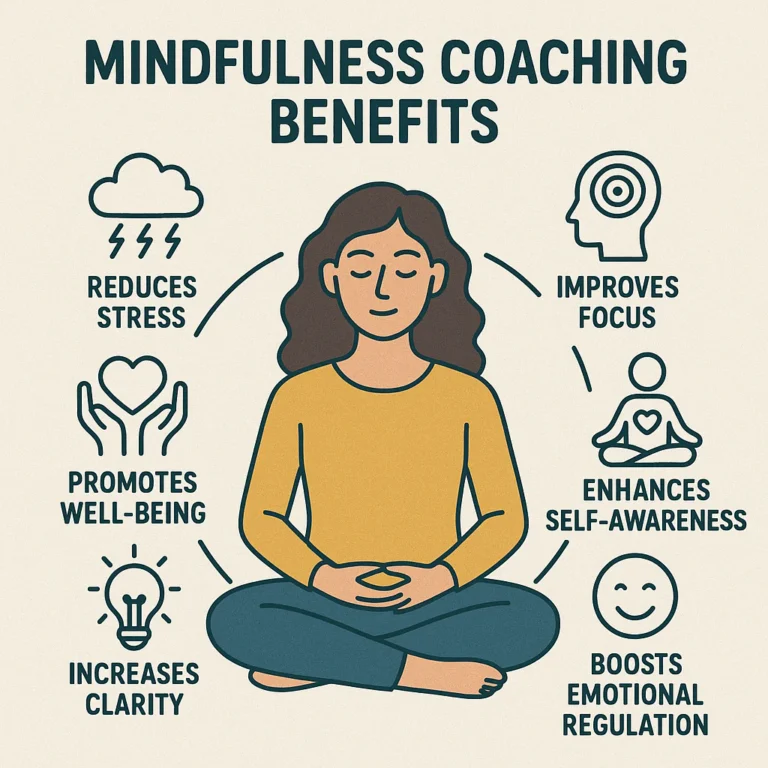
- 🌟 12 Powerful Benefits of Practicing Mindfulness Every Day
- 1. Stress Reduction and Emotional Resilience
- 2. Enhanced Focus and Cognitive Performance
- 3. Improved Sleep Quality and Relaxation
- 4. Boosted Immune System and Physical Health
- 5. Greater Emotional Intelligence and Self-Awareness
- 6. Pain Management and Chronic Condition Relief
- 7. Increased Creativity and Problem-Solving Skills
- 8. Better Relationships and Social Connections
- 9. Mindful Eating and Healthier Lifestyle Choices
- 10. Enhanced Happiness and Overall Well-being
- 11. Reduced Anxiety and Depression Symptoms
- 12. Cultivating Gratitude and Positive Mindset
- 🛠️ How to Build a Sustainable Daily Mindfulness Routine That Sticks
- 📱 Top Mindfulness Apps and Tools to Elevate Your Practice
- 📚 Science Speaks: Research-Backed Evidence Supporting Mindfulness Benefits
- 💡 Common Mindfulness Myths Debunked: What You Really Need to Know
- 🌍 Mindfulness in Different Cultures and Modern Adaptations
- 🤔 Troubleshooting Your Mindfulness Practice: Overcoming Common Challenges
- 📈 Tracking Progress: How to Measure the Impact of Mindfulness on Your Life
- 🎯 Expert Tips and Tricks from Mindfulness Coaches at Mindful Ideas™
- 🔚 Conclusion: Embrace Mindfulness for a Happier, Healthier You
- 🔗 Recommended Links for Deepening Your Mindfulness Journey
- ❓ Frequently Asked Questions About Daily Mindfulness Practice
- 📑 Reference Links and Further Reading
⚡️ Quick Tips and Facts About Daily Mindfulness Practice
Welcome to the wonderful world of mindfulness! If you’ve ever wondered, “What are the benefits of practicing mindfulness daily?” — you’re in the right place. At Mindful Ideas™, we’ve coached hundreds of clients through the ups and downs of building a daily mindfulness habit, and here’s what we’ve learned:
- Mindfulness means paying attention to the present moment without judgment. It’s about noticing your thoughts, feelings, and sensations as they come and go.
- Daily practice doesn’t have to be long! Even 5–10 minutes can make a huge difference.
- Mindfulness is not a religion or a magic cure; it’s a skill you develop over time.
- It’s scientifically proven to reduce stress, improve focus, and boost emotional resilience. (Check out NIH’s overview for the science behind it.)
- You can practice mindfulness anywhere: during your commute, eating, walking, or even washing dishes.
- Beware of common pitfalls: It’s normal for your mind to wander. The practice is in gently bringing your focus back.
Curious about how mindfulness can transform your life? Stick around — we’re diving deep! For a quick start, check out the featured video from Psych Hub, which brilliantly explains mindfulness basics in under 5 minutes.
For more ideas on mindfulness activities, see our related article: What are some mindfulness activity?.
🧘♂️ Mindfulness Unveiled: The Origins and Evolution of Mindful Living
Before we jump into the benefits, let’s take a quick trip back in time. Mindfulness has roots that stretch back thousands of years, originating primarily from Buddhist meditation practices. But don’t let that scare you off — mindfulness today is a secular, evidence-based practice embraced worldwide.
From Ancient Wisdom to Modern Science
- Buddhist Traditions: Mindfulness (or sati in Pali) was originally about cultivating awareness to reduce suffering.
- Western Adaptation: In the 1970s, Dr. Jon Kabat-Zinn pioneered Mindfulness-Based Stress Reduction (MBSR), bringing mindfulness into hospitals and clinics.
- Today: Mindfulness is integrated into therapies like MBCT (Mindfulness-Based Cognitive Therapy) and is used to treat anxiety, depression, chronic pain, and more.
Why Does This History Matter?
Understanding mindfulness’s evolution helps us appreciate its flexibility and accessibility. It’s not about chanting or sitting cross-legged (unless you want to!), but about training your mind to be present and kind.
Want to explore more about meditation practices? Visit our Meditation Practices category.
🌟 12 Powerful Benefits of Practicing Mindfulness Every Day
Ready for the good stuff? Here’s a comprehensive list of 12 scientifically backed benefits of daily mindfulness practice, with insights from our Mindful Ideas™ coaches.
1. Stress Reduction and Emotional Resilience
✅ Mindfulness helps you notice stress triggers early and respond calmly rather than react impulsively.
✅ Studies show MBSR programs reduce cortisol levels (the stress hormone).
✅ Our coach Sarah shares: “Clients often tell me they feel like they’ve built an emotional ‘shock absorber’ after consistent practice.”
2. Enhanced Focus and Cognitive Performance
✅ Mindfulness trains your brain to sustain attention and resist distractions.
✅ Harvard research highlights improved working memory and cognitive flexibility.
✅ Pro tip: Start with focused breathing exercises to sharpen your concentration.
3. Improved Sleep Quality and Relaxation
✅ Mindfulness calms the nervous system, making it easier to fall asleep and stay asleep.
✅ A study in JAMA Internal Medicine found mindfulness meditation improved sleep in older adults.
✅ Try a body scan meditation before bed to relax every muscle.
4. Boosted Immune System and Physical Health
✅ Mindfulness reduces inflammation and boosts immune response.
✅ It can lower blood pressure and improve heart health.
✅ Our client Mark noticed fewer colds after starting daily mindfulness.
5. Greater Emotional Intelligence and Self-Awareness
✅ Mindfulness increases your ability to recognize and label emotions accurately.
✅ This leads to better emotional regulation and empathy.
✅ “I feel more connected to myself and others,” says coach Alex.
6. Pain Management and Chronic Condition Relief
✅ Mindfulness helps change your relationship with pain, reducing suffering.
✅ It’s used in chronic pain clinics worldwide.
✅ Patients report less anxiety and improved quality of life.
7. Increased Creativity and Problem-Solving Skills
✅ Mindfulness opens up mental space for creative insights.
✅ It encourages divergent thinking and reduces mental clutter.
✅ Our team swears by mindfulness before brainstorming sessions!
8. Better Relationships and Social Connections
✅ Being present improves listening and communication.
✅ Mindfulness fosters compassion and reduces reactive arguments.
✅ Couples who practice mindfulness report higher satisfaction.
9. Mindful Eating and Healthier Lifestyle Choices
✅ Mindfulness helps you tune into hunger/fullness cues, reducing overeating.
✅ It promotes savoring food and making conscious choices.
✅ Studies link mindfulness to healthier diets and weight management.
10. Enhanced Happiness and Overall Well-being
✅ Mindfulness increases positive emotions and life satisfaction.
✅ It cultivates gratitude and reduces rumination.
✅ “I feel lighter and more joyful,” shares coach Mia.
11. Reduced Anxiety and Depression Symptoms
✅ Mindfulness-based therapies are proven to reduce symptoms of anxiety and depression.
✅ It helps break cycles of negative thinking and rumination.
✅ Recommended by the NHS and NICE guidelines for depression relapse prevention.
12. Cultivating Gratitude and Positive Mindset
✅ Mindfulness encourages noticing small joys and appreciating the present.
✅ This shifts your mindset towards positivity and resilience.
✅ Gratitude journaling combined with mindfulness amplifies benefits.
🛠️ How to Build a Sustainable Daily Mindfulness Routine That Sticks
Now that you’re excited about the benefits, how do you actually make mindfulness a daily habit? Here’s our step-by-step guide:
Step 1: Start Small and Be Realistic
- Begin with 5 minutes a day.
- Choose a consistent time (morning, lunch break, or before bed).
- Use guided meditations from trusted apps or YouTube (like the Psych Hub video).
Step 2: Create a Mindfulness-Friendly Environment
- Find a quiet spot with minimal distractions.
- Use a cushion or chair that supports good posture.
- Consider ambient sounds or nature noises.
Step 3: Experiment with Different Techniques
- Focused breathing: Concentrate on your breath’s sensation.
- Body scan: Slowly notice sensations from head to toe.
- Open awareness: Observe thoughts and feelings without judgment.
- Mindful movement: Try yoga or walking meditation.
Step 4: Integrate Mindfulness into Daily Activities
- Practice mindful eating by savoring each bite.
- Take mindful pauses during work or chores.
- Notice your surroundings on a walk.
Step 5: Track Your Progress and Reflect
- Keep a mindfulness journal to note experiences and challenges.
- Celebrate small wins to stay motivated.
- Adjust your practice as needed.
Common Pitfalls and How to Overcome Them
- Mind wandering: Gently bring your focus back without self-criticism.
- Impatience: Remember mindfulness is a skill that takes time.
- Frustration: Try different methods or seek guidance from a coach.
📱 Top Mindfulness Apps and Tools to Elevate Your Practice
Technology can be your mindfulness buddy! Here’s a quick rating table of popular mindfulness apps based on design, functionality, and content quality, rated 1–10 by our Mindful Ideas™ coaches:
| App Name | Design | Functionality | Content Quality | Overall Rating |
|---|---|---|---|---|
| Headspace | 9 | 9 | 9 | 9 |
| Calm | 9 | 8 | 9 | 8.7 |
| Insight Timer | 8 | 9 | 10 | 9 |
| 10% Happier | 7 | 8 | 8 | 7.7 |
| Simple Habit | 8 | 7 | 8 | 7.7 |
Why These Apps?
- Headspace: Great for beginners with structured courses and animations.
- Calm: Offers sleep stories and relaxing soundscapes.
- Insight Timer: Massive free library with diverse teachers and styles.
- 10% Happier: Science-backed, practical mindfulness for skeptics.
- Simple Habit: Short sessions ideal for busy lifestyles.
How to Choose?
- Consider your goals: stress relief, sleep, focus?
- Try free trials to find your favorite voice and style.
- Use apps as a supplement, not a replacement for mindful awareness in daily life.
👉 CHECK PRICE on:
- Headspace: Amazon | Calm Official Website
- Calm: Amazon | Calm Official Website
- Insight Timer: Amazon | Insight Timer Official Website
📚 Science Speaks: Research-Backed Evidence Supporting Mindfulness Benefits
You might be wondering, “Is mindfulness just a trendy buzzword or does it really work?” The answer is a resounding YES, backed by decades of research.
Key Research Highlights
- Stress Reduction: A meta-analysis in JAMA Internal Medicine (2014) found mindfulness meditation programs reduce anxiety, depression, and pain.
- Brain Changes: Neuroscience studies show increased gray matter density in brain areas related to learning, memory, and emotional regulation.
- Immune Function: Mindfulness boosts antibody response to vaccines and reduces inflammation markers.
- Mental Health: MBCT reduces relapse rates in depression by up to 50%.
- Sleep Improvement: Randomized controlled trials demonstrate improved sleep quality in older adults practicing mindfulness.
Trusted Sources to Explore
💡 Common Mindfulness Myths Debunked: What You Really Need to Know
Let’s bust some myths that might be holding you back:
Myth 1: Mindfulness Means Emptying Your Mind
❌ Reality: Mindfulness is about observing thoughts, not erasing them. It’s like watching clouds pass rather than trying to stop them.
Myth 2: You Need Hours of Practice Daily
❌ Reality: Even a few minutes daily can yield benefits. Consistency beats duration.
Myth 3: Mindfulness Is Only for Calm, Relaxed People
❌ Reality: Mindfulness is especially helpful for those struggling with stress, anxiety, or emotional turmoil.
Myth 4: Mindfulness Is a Religious Practice
❌ Reality: While rooted in Buddhism, modern mindfulness is secular and accessible to all.
Myth 5: Mindfulness Will Fix All Your Problems
❌ Reality: It’s a tool to improve awareness and coping, not a magic cure.
🌍 Mindfulness in Different Cultures and Modern Adaptations
Mindfulness isn’t one-size-fits-all. It’s been embraced and adapted globally:
- Eastern Traditions: Buddhist Vipassana, Zen meditation, Taoist mindfulness.
- Western Medicine: MBSR and MBCT programs in hospitals and clinics.
- Corporate Settings: Google’s “Search Inside Yourself” program.
- Schools: Mindfulness curricula to improve student focus and emotional regulation.
- Apps and Online Platforms: Making mindfulness accessible anytime, anywhere.
Our coaches have worked with clients from diverse backgrounds, tailoring mindfulness practices to fit cultural values and lifestyles.
🤔 Troubleshooting Your Mindfulness Practice: Overcoming Common Challenges
We all hit bumps on the mindfulness road. Here’s how to navigate them:
Challenge 1: Restless Mind
- Try shorter sessions or guided meditations.
- Use a mantra or counting breaths.
Challenge 2: Feeling Overwhelmed by Emotions
- Practice with a qualified teacher or therapist.
- Use grounding techniques before meditation.
Challenge 3: Lack of Time
- Integrate mindfulness into daily activities (e.g., mindful walking).
- Use micro-meditations (1–3 minutes).
Challenge 4: Doubting the Practice
- Keep a journal to track subtle changes.
- Remember, benefits accumulate over time.
📈 Tracking Progress: How to Measure the Impact of Mindfulness on Your Life
Wondering if your mindfulness practice is working? Here are some ways to track your journey:
| Metric | How to Track | What to Expect |
|---|---|---|
| Stress Levels | Self-report scales, heart rate monitor | Reduced reactivity over weeks |
| Sleep Quality | Sleep apps, journals | Falling asleep faster, deeper sleep |
| Emotional Awareness | Journaling emotions daily | Increased clarity and regulation |
| Focus and Attention | Task completion, concentration tests | Longer sustained attention |
| Mood and Well-being | Mood tracking apps or diaries | More positive days, less rumination |
Our coaches recommend combining objective tools with subjective reflection for a full picture.
🎯 Expert Tips and Tricks from Mindfulness Coaches at Mindful Ideas™
Here’s what we’ve learned from years of coaching:
- Consistency is king: Even 2 minutes daily beats a 1-hour binge once a week.
- Be kind to yourself: Mindfulness is about compassion, not perfection.
- Mix it up: Try different techniques to keep practice fresh.
- Use reminders: Alarms, sticky notes, or apps can prompt you.
- Buddy up: Practice with a friend or join a group for support.
- Celebrate progress: Notice and reward small wins.
As coach Jamie says, “Mindfulness is like gardening your mind — it takes patience, care, and regular watering.”
If you’re just starting out, don’t miss the What is Mindfulness? video by Psych Hub embedded above. It’s a fantastic 4:50-minute introduction that breaks down mindfulness in a simple, relatable way — perfect for beginners and those needing a refresher.
For more detailed insights on the benefits of mindfulness, visit our Benefits of Mindfulness category.
🔚 Conclusion: Embrace Mindfulness for a Happier, Healthier You

So, what have we uncovered on this mindful journey? Practicing mindfulness daily is like giving your brain a gentle tune-up — it sharpens focus, reduces stress, boosts emotional resilience, and even improves physical health. From better sleep to deeper relationships, the benefits ripple through every corner of your life.
Remember those common myths we busted? Mindfulness isn’t about emptying your mind or needing hours of practice. It’s about showing up for yourself, even if just for a few minutes a day. And yes, it’s perfectly normal for your mind to wander — that’s part of the practice!
If you’ve ever wondered whether mindfulness is worth the effort, our coaches at Mindful Ideas™ confidently say: Absolutely! The science backs it, and the personal stories we hear every day prove it transforms lives.
Feeling overwhelmed or unsure where to start? Try one of the top-rated apps like Headspace or Insight Timer, or simply begin with a few mindful breaths right now. The key is consistency and kindness toward yourself.
So, what’s next? Dive into your first mindful moment and watch how it grows into a habit that supports your well-being, creativity, and joy. Your future self will thank you.
🔗 Recommended Links for Deepening Your Mindfulness Journey
Ready to take your practice to the next level? Here are some trusted tools and resources we recommend:
- Headspace App: Amazon | Headspace Official Website
- Calm App: Amazon | Calm Official Website
- Insight Timer: Amazon | Insight Timer Official Website
Must-Read Books on Mindfulness
- Wherever You Go, There You Are by Jon Kabat-Zinn — Amazon Link
- The Miracle of Mindfulness by Thich Nhat Hanh — Amazon Link
- Radical Acceptance by Tara Brach — Amazon Link
❓ Frequently Asked Questions About Daily Mindfulness Practice
How does daily mindfulness practice improve mental health?
Daily mindfulness practice enhances mental health by increasing your awareness of thoughts and emotions without judgment. This “de-centering” allows you to observe negative patterns without getting caught up in them, reducing rumination and emotional reactivity. Research shows mindfulness-based cognitive therapy (MBCT) significantly lowers relapse rates in depression and reduces anxiety symptoms. It also fosters emotional resilience, helping you bounce back from stressors more effectively.
What are simple mindfulness techniques to practice every day?
Some easy-to-implement mindfulness techniques include:
- Focused breathing: Paying attention to the sensation of your breath entering and leaving your body.
- Body scan: Slowly noticing sensations from head to toe without judgment.
- Mindful walking: Engaging your senses fully while walking, noticing sights, sounds, and smells.
- Open awareness: Observing thoughts and feelings as they arise and pass without attachment.
These can be practiced in as little as 5 minutes and integrated into daily routines like eating or commuting.
Can mindfulness help reduce stress and anxiety?
Absolutely! Mindfulness reduces stress by activating the parasympathetic nervous system, which calms the body’s fight-or-flight response. It helps you recognize stress triggers early and respond with greater calmness. Numerous studies, including meta-analyses published in JAMA Internal Medicine, confirm mindfulness meditation’s effectiveness in lowering anxiety and stress levels. It also improves coping skills and emotional regulation, making anxiety more manageable.
How long does it take to see benefits from daily mindfulness practice?
While some people notice immediate effects like feeling calmer after a single session, most benefits accumulate over weeks to months of consistent practice. Clinical programs like MBSR typically run for eight weeks, with participants reporting significant improvements in stress, mood, and sleep by the end. The key is regularity — even short daily sessions build neural pathways that support mindfulness over time.
Additional FAQs
Is mindfulness suitable for everyone?
Mindfulness is generally safe and beneficial for most people. However, individuals with severe mental health conditions, PTSD, or trauma histories should approach mindfulness cautiously and ideally practice under guidance from trained professionals.
Can mindfulness replace therapy or medication?
Mindfulness is a powerful complementary tool but not a replacement for professional mental health treatment when needed. It works best alongside therapy, medication, or other interventions prescribed by healthcare providers.
How can I stay motivated to practice mindfulness daily?
Setting realistic goals, tracking progress, mixing techniques, and practicing with a buddy or group can boost motivation. Remember, mindfulness is a journey, not a destination.
📑 Reference Links and Further Reading
- National Institutes of Health (NIH) — Mindfulness for Your Health | NIH News in Health
- Mental Health Foundation UK — Mindfulness
- Harvard Health Publishing — Evoking Calm: Practicing Mindfulness in Daily Life
- Oxford Mindfulness Centre — Learn Mindfulness Resources
- British Association of Mindfulness-Based Approaches (BAMBA) — Find a Teacher
At Mindful Ideas™, we’re here to help you cultivate mindfulness with ideas that fit your life. Ready to start? Let’s breathe in, breathe out, and embrace the moment. 🌿✨